What Is Cataract Surgery?
A cataract develops when the eye’s natural lens becomes cloudy, causing blurry and dim vision.
Common Cataract Symptoms
- Blurred vision
- Difficulty reading
- Glare around lights
- Poor night vision
- Frequent spectacle number changes
- Faded color perception
Modern cataract surgery removes the cloudy lens and replaces it with a clear intraocular lens (IOL).
At ASG Eye Hospital, advanced cataract surgery technologies include:
- Phacoemulsification (Phaco Surgery)
- Micro-Incision Cataract Surgery (MICS)
- Laser-assisted cataract surgery
These advanced techniques help support:
- Faster visual recovery
- Smaller incisions
- Greater surgical precision
- Improved patient comfort
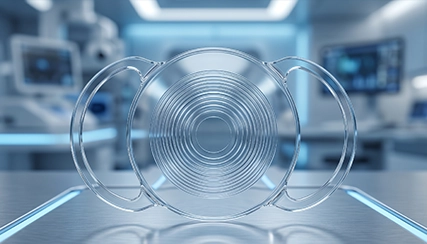
How Trifocal IOLs Work
Trifocal lenses use advanced diffractive optical technology to distribute light into three focal zones.
The Three Focus Zones Include:
Near Vision
Helpful for:
- Reading
- Mobile phone use
- Fine close-up work
Intermediate Vision
Designed for:
- Computer work
- Laptop screens
- Car dashboards
- Kitchen activities
Distance Vision
Supports:
- Driving
- Watching television
- Outdoor activities
The dedicated intermediate zone is one of the biggest advantages of trifocal lenses over older multifocal lens designs.
Benefits of Trifocal Intraocular Lenses
Reduced Dependence on Glasses
Many patients can comfortably perform:
- Reading
- Screen work
- Driving
- Daily household activities
with minimal need for spectacles.
Enhanced Intermediate Vision
Modern lifestyles require strong intermediate vision for digital devices and screen-based tasks.
Helpful for:
- Computer users
- Office professionals
- Smartphone users
- Active adults
Greater Lifestyle Freedom
Patients often enjoy:
- Reduced spectacle switching
- Easier multitasking
- Better digital device usability
- Greater visual convenience
Advanced Modern Lens Technology
Modern trifocal lenses are designed for:
- Better light distribution
- Improved focus transitions
- Enhanced visual quality
Quick Comparison Table
| Feature | Trifocal IOLs | Monofocal IOLs |
|---|
| Vision Range | Near, intermediate & distance | Single distance |
| Computer Vision | Excellent | Limited |
| Glass Dependence | Reduced | Usually needed |
| Lens Technology | Premium | Standard |
| Night Halos | Possible initially | Less common |
Trifocal vs Multifocal IOLs
Trifocal IOLs
- Near, intermediate & distance vision
- Better computer vision
- Improved digital lifestyle support
- Advanced optical design
Multifocal IOLs
- Usually near & distance focus
- Intermediate vision may be less sharp
- Older bifocal-style designs
Many eye specialists consider trifocal IOLs an advancement over traditional multifocal technology because of improved intermediate vision performance.
Who Is Suitable for Trifocal IOLs?
Trifocal lenses may be suitable for:
- Cataract patients seeking spectacle independence
- Office professionals
- Frequent computer users
- Active lifestyle individuals
- Digital screen users
- Patients comfortable with premium lens technology
Ideal Candidates Usually Have:
- Healthy retina
- Healthy cornea
- Minimal ocular surface disease
- Realistic expectations regarding premium IOLs
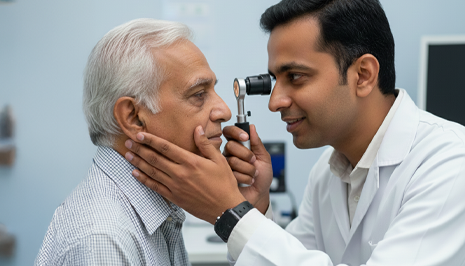
At ASG Eye Hospital, specialists perform detailed eye evaluations before recommending trifocal lenses.
Possible Adaptation with Trifocal IOLs
Some patients may initially notice:
- Halos around lights
- Night glare
- Mild reduction in contrast sensitivity
These visual effects commonly improve as the brain gradually adapts to the trifocal optical system.
Popular Trifocal IOL Technologies
Alcon PanOptix Trifocal IOL
One of the most widely used trifocal lens systems for near, intermediate, and distance vision.
ZEISS AT LISA Tri
Advanced trifocal optical technology designed for improved spectacle independence.
Johnson & Johnson TECNIS Trifocal
Premium trifocal lens platform designed for modern visual needs.
FineVision Trifocal IOL
Advanced trifocal correction for multiple focal distances.
Trifocal IOL Evaluation at ASG Eye Hospital
Trifocal lens planning includes:
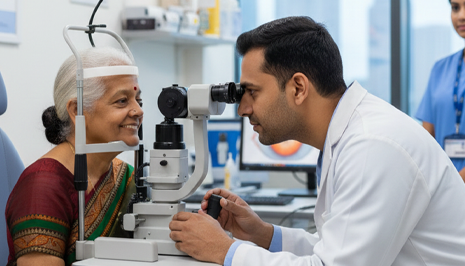
- Comprehensive eye examination
- Corneal topography
- Retina evaluation
- Lens power calculation
- Tear film assessment
- Lifestyle analysis
- Personalized visual counselling
Advanced diagnostics help ensure successful visual outcomes.
Recovery After Trifocal IOL Surgery
Most patients experience visual improvement within:
24–48 hours after surgery
Visual adaptation may continue improving over several weeks.
Post-Surgery Care Includes
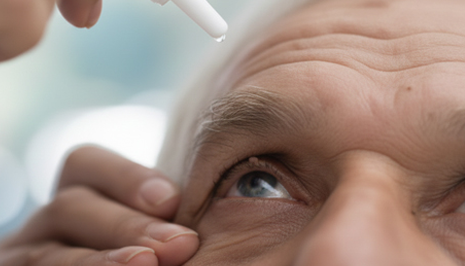
- Prescribed eye drops
- Follow-up eye examinations
- Avoiding eye rubbing
- Protective eyewear if advised
Why Choose ASG Eye Hospital for Trifocal IOL Surgery?
- Experienced cataract surgeons
- Advanced phaco and laser cataract surgery
- Premium trifocal lens technologies
- Personalized IOL counselling
- Advanced diagnostic equipment
- Customized cataract treatment planning
- Comprehensive eye care services
ASG Eye Hospital Cataract Services provides advanced cataract surgery and premium trifocal intraocular lens solutions designed for modern spectacle-reduced vision correction.