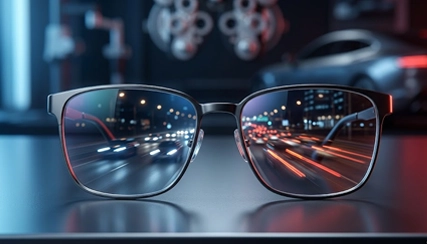
Why Is Clear Driving Vision Important?
Driving requires continuous visual attention under constantly changing light conditions.
Common driving vision problems include:
- Headlight glare
- Poor night visibility
- Reflections from wet roads
- Bright sunlight discomfort
- Eye fatigue during long drives
- Difficulty reading road signs
Reduced visual clarity while driving may increase discomfort and affect reaction time, especially during nighttime driving.
Benefits of Driving Lenses
Reduced Headlight Glare
Driving lenses with anti-reflective coatings help reduce glare caused by:
- Oncoming headlights
- LED lights
- Streetlights
- Reflective road surfaces
Helpful For:
- Night drivers
- Highway commuters
- Older adults
Anti-glare technology may improve nighttime comfort and reduce visual distractions.
Better Night Driving Comfort
Night driving lenses are designed to improve:
- Contrast perception
- Road visibility
- Light sensitivity management
Many drivers experience reduced eye fatigue during nighttime travel.
Improved Contrast & Road Clarity
Driving lenses help improve visibility of:
- Road signs
- Lane markings
- Pedestrians
- Obstacles
- Dashboard displays
Enhanced contrast may support safer and more comfortable driving.
Reduced Daytime Sunlight Glare
Polarized driving lenses help minimize glare caused by:
- Bright sunlight
- Wet roads
- Windshields
- Reflective surfaces
Helpful For:
- Highway driving
- Outdoor commuting
- Long-distance travel
Reduced Eye Fatigue During Long Drives
Driving lenses may help reduce:
- Visual strain
- Frequent squinting
- Light sensitivity
- Focusing fatigue
during extended road travel.
Quick Comparison Table
| Feature | Driving Lenses | Regular Glasses |
|---|
| Glare reduction | Advanced | Basic |
| Night driving comfort | Better | Limited |
| Contrast enhancement | Yes | Standard |
| Road visibility support | Optimized | Basic |
| Anti-reflective technology | Commonly included | Optional |
Types of Driving Lenses
Anti-Reflective Driving Lenses
These lenses include special coatings designed to reduce reflections and glare.
Benefits:
- Reduced headlight glare
- Better nighttime clarity
- Improved visual comfort
Polarized Driving Lenses
Polarized lenses reduce intense glare from reflective surfaces.
Helpful For:
- Daytime drivers
- Highway commuters
- Outdoor travelers
These lenses improve comfort in bright sunlight conditions.
Night Driving Lenses
Night driving lenses are often lightly tinted to improve contrast and reduce discomfort from bright headlights.
Helpful For:
- Night commuters
- Older adults
- Light-sensitive drivers
Photochromic Driving Lenses
Photochromic driving lenses automatically adapt to changing light conditions.
Benefits:
- Darken in sunlight
- Become clearer indoors
- Better comfort during indoor-outdoor transitions
Modern driving-specific photochromic lenses are designed to react more effectively inside vehicles.
Progressive Driving Lenses
Progressive driving lenses help drivers see clearly at:
- Road distance
- Dashboard distance
- Navigation screens
- Side mirrors
Ideal For:
- Drivers above 40 years
- Frequent commuters
Driving Lenses for Night Driving
Night driving can become challenging due to:
- Glare sensitivity
- Aging eyes
- Dry eyes
- Reduced contrast sensitivity
- Cataracts
Driving lenses may help improve nighttime comfort by:
- Reducing reflections
- Enhancing contrast
- Improving visual sharpness
Patients experiencing severe glare should undergo a detailed eye examination to identify underlying eye conditions.
Driving Lenses for Modern Vehicles
Modern vehicles include:
- Digital dashboards
- GPS displays
- Infotainment systems
Driving lenses help improve focus transitions between:
- Road view
- Dashboard
- Side mirrors
- Navigation screens
This may improve overall visual comfort while driving.
Advanced Driving Lens Technologies
ASG Eye Hospital offers advanced driving lens technologies from globally trusted optical brands.
Popular options include:
- ZEISS DriveSafe Lenses
- Essilor Driving Lenses
- Hoya EnRoute Lenses
- Nikon Driving Lenses
These lenses are designed for improved glare reduction, contrast enhancement, and driving comfort.
Driving Lenses vs Regular Glasses
Driving Lenses
- Optimized glare reduction
- Better contrast sensitivity
- Improved road visibility
- Advanced anti-reflective technology
Regular Glasses
- Standard vision correction
- Limited glare management
- Basic optical design
Driving lenses are specifically designed for the visual demands of driving.
Signs You May Need Driving Lenses
You may benefit from driving lenses if you experience:
- Headlight glare
- Difficulty driving at night
- Frequent squinting
- Eye fatigue during long drives
- Trouble reading road signs
- Reflections affecting visibility
A comprehensive eye examination can help determine the right driving lens solution.
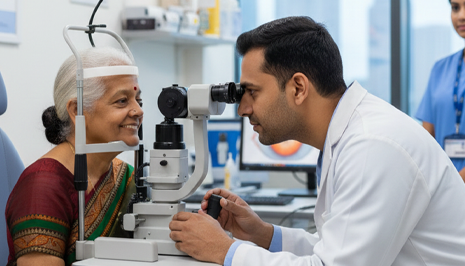
Driving Lens Consultation at ASG Eye Hospital
At ASG Eye Hospital Optical Services, specialists evaluate:
- Driving habits
- Day & night vision
- Prescription requirements
- Light sensitivity
- Contrast sensitivity
- Glare complaints
Customized driving lens recommendations help improve road visibility and visual comfort.
\Why Choose ASG Eye Hospital for Driving Lenses?
- Advanced driving lens technologies
- Anti-glare lens solutions
- Polarized & photochromic options
- Customized prescription driving glasses
- Experienced eye specialists
- Premium optical brands
- Personalized driving vision assessment
ASG Eye Hospital provides advanced driving lens solutions designed for safer, clearer, and more comfortable driving vision.