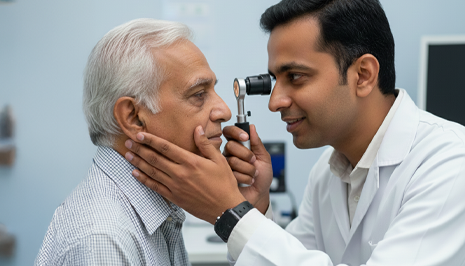
Corneal Ulcer: Symptoms, Causes & Treatment
Risk Factors
Some of the groups who are more likely to develop corneal ulcer eye disease include:
- People who use contact lenses (particularly those used while sleeping)
- People who have experienced eye injuries or trauma
- People with poor eye hygiene practices
- People with dry eye disease
- People exposed to dirty water or dust
- People with suppressed immune system
- People with prolonged use of steroid eye drops
Treatment Options at ASG Eye Hospital
Corneal Transplant Surgery (Keratoplasty)
Medication-Based Treatment
Mild to moderate corneal ulcer infection is treated using antibiotic, antiviral, antifungal, or antiparasitic eye drops depending on the cause.
This corneal ulcer eye treatment helps control infection, reduce inflammation, and support the healing process of the cornea. Regular monitoring is essential to prevent complications and ensure proper corneal healing.
Advanced Medical Eye Treatment
In serious cases, advanced corneal ulcer treatment may involve hospital-based care with stronger antimicrobial medications and pain management therapy.
This helps control the spread of infection, reduce corneal damage, and stabilize the corneal ulcer eye condition under expert supervision in a specialized eye hospital in India.
Surgery for Corneal Ulcer
In cases of deep or non-healing corneal ulcer, corneal ulcer surgery may be necessary.
Surgical treatment may involve cleaning the infected area, removing damaged tissue, or protecting the cornea to prevent perforation. This helps maintain eye integrity and prevents vision loss due to corneal ulcer.
In advanced or perforated corneal ulcer cases, a corneal transplant surgery (keratoplasty) may become necessary.
In this advanced corneal ulcer treatment procedure, damaged corneal tissue is replaced with healthy donor tissue to restore vision and eye function.
Which Corneal Ulcer Treatment is Best for You?
Cost of Corneal Ulcer Treatment in India
The cost of corneal ulcer treatment in India varies based on infection severity, type of treatment, and hospital infrastructure.
Parameters affecting cost include:
- Severity of corneal ulcer infection
- Type of microorganism causing infection
- Diagnostic testing (corneal scraping, culture tests)
- Type and duration of medication
- Complexity of surgery
- Hospital infrastructure and technology
- Expertise of eye specialist / ophthalmologist
Advanced procedures like corneal transplant surgery in India may cost more due to specialized surgical care and advanced technology.
Advantages of Treating Corneal Ulcer
- Protection of vision and prevention of blindness
- Effective eye infection control
- Faster corneal healing
- Pain and redness reduction
- Protection against corneal damage
- Improved visual outcome
- Reduced risk of complications
Who Is Eligible for the Treatment?
You may need corneal ulcer eye treatment when experiencing:
- Eye pain
- Eye inflammation and redness
- Blurred or poor vision
- Eye discharge
- Photophobia (light sensitivity)
- Eye trauma or injury
- Contact lens-related complications
You should consult an eye specialist in India who will examine your condition and suggest the best corneal ulcer treatment option.
Time for Recovery
Recovery Timeframes:
- Eye drops treatment: 1–2 weeks
- Advanced medical treatment: 2–4 weeks
- Corneal ulcer surgery: 3–6 weeks
- Corneal transplant: 1–3 months
Post-treatment care:
- Refrain from touching or rubbing eyes
- Use prescribed eye drops regularly
- Maintain strict eye hygiene
- Attend follow-up visits
- Avoid dust, smoke, and pollution exposure
Complications & Safety
Modern corneal ulcer treatment in India is relatively safe when carried out by experienced ophthalmologists.
Possible complications include:
- Temporary blurred vision
- Eye irritation and redness
- Photophobia (light sensitivity)
- Corneal scarring
- Delayed healing in severe cases
- Rare risk of vision loss if untreated
Early diagnosis using advanced eye infection diagnostic tools significantly reduces risks.
Why Choose ASG Eye Hospital for Corneal Ulcer Treatment?
Technology
ASG Eye Hospital uses advanced corneal imaging, microbial testing, and modern surgical systems for accurate corneal ulcer diagnosis and treatment.
Experienced Doctors
Our experienced ophthalmologists specialize in corneal ulcer treatment in India, corneal infection management, and advanced eye infection treatment procedures.
Trusted Name
ASG Eye Hospital is a trusted name for corneal ulcer eye treatment in India, advanced eye care, and infection management services.