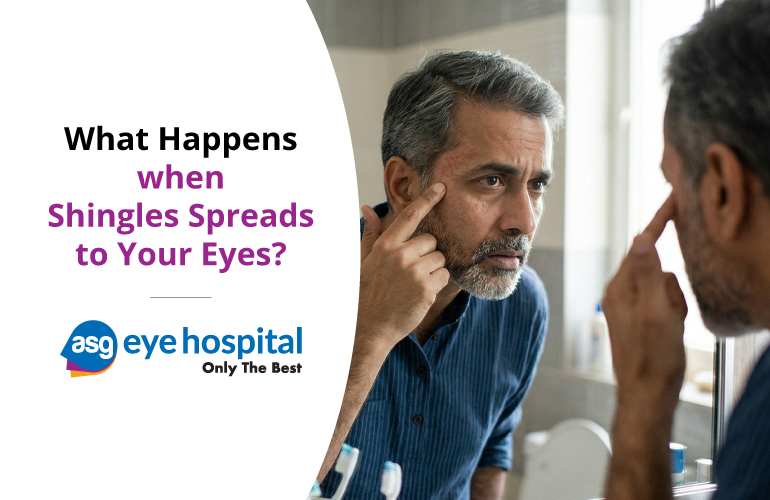
Shingles is a viral infection caused by the reactivation of the varicella-zoster virus, the same virus responsible for chickenpox. The virus stays inactive in the body for the rest of a person’s life after they recover from chickenpox. The virus has a possibility of reactivating after several years, which results in the development of shingles. The reactivation process affects facial and eye nerves, which leads to the development of a severe eye disease known as shingles in the eye.
Ocular involvement requires immediate medical evaluation because the infection can damage delicate eye structures and affect vision if left untreated. People need to learn about symptoms, risks and treatment methods because this knowledge helps them prevent developing long-term health issues.
Understanding Shingles and Its Ocular Involvement
Shingles manifests through a painful skin rash that develops fluid-filled blisters, which follow the nerve pathways. The virus affects the ophthalmic branch of the trigeminal nerve by spreading to the eyelids, cornea, and additional eye components.
The medical name for this condition is herpes zoster ophthalmicus. The virus spreads from the facial nerves to the eye and its adjacent areas. People with Shingles in the eye will experience inflammation, nerve damage and vision problems if they do not receive emergency medical treatment. The risk of developing shingles and its ocular complications increases for individuals who are 50 years or older, for people who have weakened immune systems, and for patients who suffer from chronic health conditions.
What are the early warning signs of shingles in the eye?
The early clinical indicators of ocular shingles need to be detected by medical professionals because their identification serves as a critical requirement for proper diagnosis. Systemic and nerve-related symptoms occur first, and then skin lesions become visible during the course of the infection.
Common shingles in-eye symptoms may include the following:
- The forehead and eye area experience severe burning or tingling sensations.
- The eye shows signs of redness and irritation.
- The area around the eye socket experiences pain.
- The person experiences light sensitivity, which physicians describe as ‘photophobia’.
- The eyelids show signs of swelling.
- The person experiences vision problems, which result in either blurred vision or decreased visual acuity.
- The eye produces either excessive tears or abnormal discharge.
Patients experiencing these shingles-in-eye symptoms should seek immediate ophthalmic evaluation to prevent disease progression.
How the Infection Affects Eye Structures
When shingles involves the eye, the virus can affect multiple ocular structures. The severity depends on how deeply the virus penetrates the tissues and how quickly treatment begins. Some of the most commonly affected parts include:
Cornea
Keratitis serves as the most common corneal condition, which results in corneal inflammation. The cornea may develop ulcers, scarring, or reduced sensitivity. Inflammation that persists over time will produce negative effects on visual capacity.
Conjunctiva
The conjunctiva may become inflamed, which results in symptoms of redness, discomfort and discharge.
Uvea
Advanced cases lead to uveitis, which causes inflammation of the uveal tract. The condition causes patients to experience intense eye pain, heightened sensitivity to light, and visual disturbances.
Optic Nerve
The infection may cause optic neuritis, which affects the optic nerve in exceptional cases, leading to vision loss. The medical emergency of shingles in the eye requires specialist care because it creates multiple complications that need urgent attention.
Can Shingles Lead to Permanent Vision Damage?
One of the most important concerns associated with ocular shingles is whether the infection can cause permanent visual impairment.
A common medical inquiry addresses whether shingles can lead to eyesight problems. The answer is yes. The infection can produce multiple vision problems when it penetrates deeper into the eye tissues and remains unaddressed. The possible complications include the following conditions:
- Corneal scarring
- Chronic inflammation
- Secondary glaucoma, which results from raised intraocular pressure
- Retinal damage
- Optic nerve injury
All these conditions can impact visual perception because they make it difficult to see clearly, while severe cases lead to total blindness. The process of protecting eyesight requires doctors to determine the condition at an early stage while providing treatment without delay. The study of whether shingles cause vision loss establishes an immediate need for patients to receive eye care from specialized doctors.
How is shingles in the eye diagnosed by doctors?
The process of diagnosis depends mostly on the results of clinical assessment. An ophthalmologist conducts a thorough eye examination, which includes assessing the eye and its surrounding skin to detect specific indicators of viral infection.
The assessment process will consist of:
- The collection of complete medical records, which will be used to assess current medical conditions and their associated symptoms
- A slit-lamp test, which will evaluate the extent of corneal damage
- A fluorescein test, which will help identify corneal ulcers and other eye damages
- The process of measuring intraocular pressure
- Doctors will conduct retinal tests and optic nerve examinations
- The early detection of medical conditions enables doctors to start proper treatment while they watch for upcoming medical complications.
Treatment Options for Ocular Shingles
The presence of timely medical treatment establishes essential protection against the development of infection-related complications. The primary goal of Shingles eye treatment involves three main objectives, which include stopping viral replication, decreasing inflammation and safeguarding eye tissues.
The process of developing treatment approaches includes the following components:
The use of antiviral drugs
The medical field uses three oral antiviral drugs, which include acyclovir, valacyclovir and famciclovir. The medications enable doctors to decrease viral activity while decreasing the length of time patients experience symptoms.
The medical field uses steroid eye drops and systemic medications to treat inflammation while professionals maintain complete control over their application.
Pain Management
Shingles can cause significant nerve pain. Analgesics and nerve-stabilising medications may be recommended to manage discomfort.
Lubricating Eye Drops
Artificial tears or lubricating drops help reduce dryness and protect the corneal surface during recovery. These interventions form the core of Shingles eye treatment, and early initiation significantly reduces the risk of complications.
Possible Long-Term Complications
Although patients can achieve recovery through effective treatment, some patients will suffer from persistent symptoms because their nerves and tissues have been damaged. The potential long-term complications include:
- Chronic corneal inflammation
- Persistent dry eye
- Post-herpetic neuralgia affecting the eye region
- Corneal scarring that obstructs vision
The lack of treatment or the postponement of treatment for Shingles in the eye leads to visual disability, which worsens as the condition progresses.
The process of healing requires regular follow-up examinations, which also help identify any complications that develop after the initial treatment.
Prevention and Risk Reduction
Vaccination against shingles for individuals over 50 years of age.
Early medical consultation if facial pain or rash appears.
Immediate ophthalmic examination when eye symptoms occur.
People need to maintain their immune system in order to stay healthy.
Patients and clinicians can start treatment before the infection reaches deeper eye structures through early recognition of Shingles eye symptoms.
When to Seek Immediate Eye Care
Certain symptoms indicate urgent ophthalmic evaluation. These include:
- Severe eye pain with facial rash
- Redness or swelling around the eye
- Blurred or decreased vision
- Extreme sensitivity to light
- Persistent eye irritation or discharge
- Patients showing these warning signs need to visit a doctor because shingles eye treatment requires immediate action to stop severe health problems from developing.
Conclusion
Shingles affecting the eye is a serious medical condition that requires immediate clinical attention. The virus can dashinglestical eye structures, leading to inflammation, corneal injury, and possible visual impairment. Recognising early shingles in eye symptoms, obtaining a timely diagnosis, and initiating appropriate Shingles eye treatment are essential steps in protecting vision.
People who have facial shingles or eye pain need to see an eye doctor immediately because the problem, which is that shingles can cause vision loss, becomes more critical when treatment is postponed.
The ASG Eye Hospital network provides complete eye care services at its facilities located in ASG Eye Hospital in Parel, ASG Eye Hospital in Dadar, ASG Eye Hospital in Jaipur, ASG Eye Hospital in Jodhpur and ASG Eye Hospital in Udaipur. These centres provide specialised ophthalmic evaluation, which helps doctors to diagnose and treat shingles in the eye effectively. The most crucial step to avoid permanent damage and maintain optimal sight is to seek medical help without delay.
Frequently Asked Questions (FAQs)
1. How does shingles spread to the eye?
Shingles spreads to the eye when the varicella-zoster virus reactivates in the ophthalmic branch of the trigeminal nerve, which leads to its effects on the eyelids, cornea and surrounding eye tissues.
2. What are the early signs of shingles affecting the eye?
Early shingles in the eye symptoms include five signs, which are redness and eye pain and swelling of the eyelids and sensitivity to light and a rash which appears on the forehead and near the nose.
3. Is shingles in the eye considered a medical emergency?
Shingles in the eye requires immediate treatment because delays in ophthalmic evaluation lead to severe complications that can permanently affect a person’s vision.
4. What treatment options are used for shingles affecting the eye?
The doctors use antiviral medications, anti-inflammatory eye drops and supportive care as the standard treatment for shingles eye infections, which helps to manage the disease and its accompanying side effects.
5. Can shingles cause permanent vision problems?
The cornea, retina, and optic nerve become damaged through untreated infections, which causes many patients to ask whether shingles can result in vision loss because medical treatment needs to start immediately to stop permanent damage.
Top Search : Eye Hospital Near Me | Eye Specialists Near Me