Symptoms of Corneal Abrasion
Patients with corneal abrasion may experience:
Sudden eye pain
Redness in the eye
Excessive tearing or watering
Blurred vision
Sensitivity to light (Photophobia)
Burning or gritty sensation
Feeling like something is stuck in the eye
Eye swelling or irritation
Difficulty opening the affected eye
Headache due to eye discomfort
Symptoms may vary depending on the size and depth of the scratch.
Causes of Corneal Abrasion
Corneal abrasions can happen due to several reasons:
Foreign Particles in the Eye
Dust, sand, metal particles, or debris entering the eye can scratch the corneal surface.
Eye Injuries
Accidental fingernail scratches, makeup brushes, paper edges, or sports injuries may damage the cornea.
Contact Lens Misuse
Improper handling, overwearing, or sleeping with contact lenses can increase the risk of corneal abrasion.
Excessive Eye Rubbing
Rubbing the eyes forcefully, especially when foreign particles are present, can injure the cornea.
Chemical or Environmental Exposure
Smoke, chemicals, pollution, or dry environments may irritate and damage the corneal surface.
Risk Factors for Corneal Abrasion
Certain conditions and habits increase the risk of corneal injury:
Contact lens use
Working in dusty or industrial environments
Sports activities without protective eyewear
Dry eye disease
Previous eye injuries
Exposure to flying debris or chemicals
Improper eye makeup application
Using protective eyewear can significantly reduce the risk of corneal injuries.
Diagnosis of Corneal Abrasion
At ASG Eye Hospital, specialists use advanced eye examination techniques to detect corneal abrasions accurately.
Slit Lamp Examination
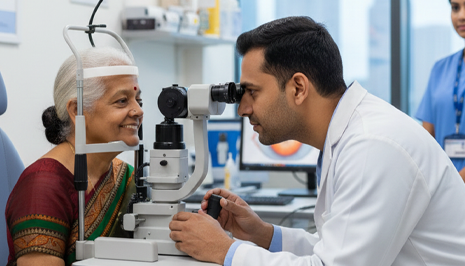
A slit lamp microscope helps examine the cornea in detail and identify scratches or injuries.
Fluorescein Eye Staining
Special dye drops are used to highlight damaged areas on the corneal surface under blue light.
Visual Acuity Testing
Vision tests help assess the impact of the abrasion on eyesight.
Eyelid and Foreign Body Evaluation
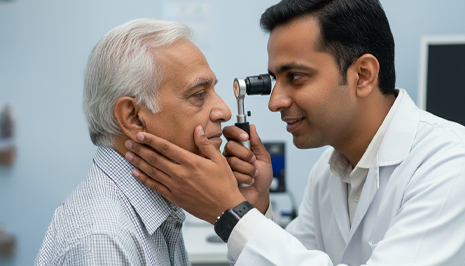
Doctors carefully examine the eyelids and eye surface to detect trapped foreign particles that may worsen the injury.
Corneal Abrasion Treatment Options
Treatment depends on the size, cause, and severity of the abrasion.
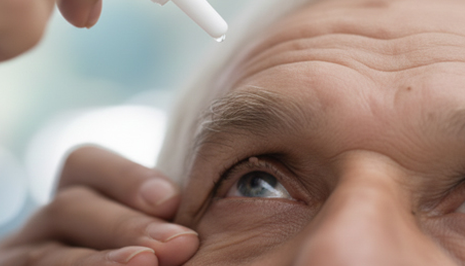
Lubricating Eye Drops
Artificial tears help soothe irritation and support corneal healing.
Antibiotic Eye Drops or Ointments
Antibiotic medications help prevent infection while the cornea heals.
Pain Relief Medication
Special eye drops or oral medications may be prescribed to reduce pain and discomfort.
Protective Eye Patch or Bandage Contact Lens
In some cases, a protective covering may be used to support healing and reduce irritation.
Foreign Body Removal
If dust or debris remains trapped in the eye, specialists carefully remove it using sterile instruments.
Avoiding Contact Lens Use
Patients are advised not to wear contact lenses until the cornea heals completely.
Recovery After Corneal Abrasion
Most minor corneal abrasions heal quickly because the cornea regenerates rapidly.
Small abrasions may heal within 24–48 hours
Larger abrasions may take several days to recover
Vision usually improves as healing progresses
Follow-up visits help ensure proper healing and prevent infection
Patients should avoid rubbing the eyes during recovery.
Complications of Untreated Corneal Abrasion
If left untreated, corneal abrasions may lead to:
Early treatment helps prevent long-term complications and protects eye health.
Prevention Tips for Corneal Abrasion
You can reduce the risk of corneal injury by:
Wearing protective eyewear during sports or industrial work
Handling contact lenses properly
Avoiding excessive eye rubbing
Washing hands before touching the eyes
Protecting the eyes from dust and chemicals
Seeking medical attention for persistent irritation or foreign body sensation
Advanced Technology for Cornea Care at ASG Eye Hospital
ASG Eye Hospital uses advanced ophthalmic technology for accurate diagnosis and treatment of corneal injuries:
Slit Lamp Imaging
Fluorescein Corneal Staining
Corneal Surface Evaluation
High-Precision Ocular Microscopy
Advanced Ocular Surface Treatment Systems
Why Choose ASG Eye Hospital for Corneal Abrasion Treatment?
Experienced cornea specialists
Emergency eye injury care
Advanced diagnostic technology
Personalized treatment plans
Comprehensive cornea care services
Network of 180+ eye hospitals across India