Ectropion – Symptoms, Causes & Treatment
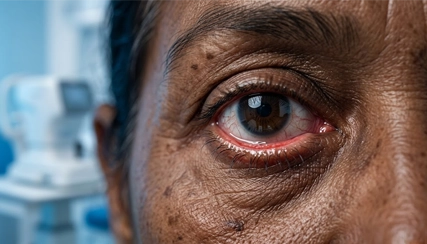
Ectropion is an eyelid condition in which the eyelid turns outward away from the eye. This outward turning prevents the eyelid from properly protecting and lubricating the eye surface, leading to excessive tearing, dryness, irritation, redness, and discomfort. The condition most commonly affects the lower eyelid and is usually seen in older adults due to age-related tissue weakness. At ASG Eye Hospital, experienced oculoplasty specialists provide advanced diagnosis and treatment for ectropion using modern medical and surgical techniques.
Types of Ectropion
Involutional Ectropion
This is the most common type and develops because of aging-related weakening of eyelid muscles and tissues. It mainly affects older adults.
Cicatricial Ectropion
Cicatricial ectropion occurs due to scarring or skin tightening caused by burns, trauma, infections, or previous surgeries around the eyelid.
Paralytic Ectropion
This type develops due to facial nerve weakness or paralysis, which affects eyelid muscle control and prevents proper eyelid closure.
Mechanical Ectropion
Mechanical ectropion may occur when tumors, swelling, or excess tissue pull the eyelid outward.
Congenital Ectropion
Congenital ectropion is present from birth and occurs due to abnormal eyelid development. It is relatively rare.
Symptoms of Ectropion
Common symptoms of ectropion include:
- Outward turning of the eyelid
- Excessive tearing or watery eyes
- Eye dryness and irritation
- Redness of the eyes
- Burning or gritty sensation
- Sensitivity to light
- Crusting around eyelids
- Difficulty closing the eyes completely
- Recurrent eye infections
- Blurred vision due to tear film instability
- Eye discomfort during blinking
Symptoms may gradually worsen over time if proper treatment is delayed.
Causes of Ectropion
Ectropion may develop due to several underlying causes, including:
- Aging-related muscle weakness
- Facial nerve paralysis (Bell’s palsy)
- Previous eyelid surgery
- Trauma or injury near the eye
- Burns and skin scarring
- Chronic inflammation or infection
- Skin diseases
- Tumors or eyelid growths
- Congenital abnormalities
Accurate diagnosis helps identify the root cause and determine the best treatment option.
Risk Factors for Ectropion
People with the following conditions may have a higher risk of developing ectropion:
- Older age
- Facial nerve disorders
- Previous eye or facial surgery
- Chronic eye irritation
- Trauma or burns near the eyelid
- Skin disorders affecting eyelids
- Long-term sun damage
Complications of Untreated Ectropion
Without treatment, ectropion may lead to:
- Chronic eye dryness
- Corneal exposure and irritation
- Eye infections
- Corneal ulcers
- Excessive tearing
- Eye pain and redness
- Vision problems
- Permanent corneal damage in severe cases
Early treatment is important to protect the eye surface and maintain healthy vision.
Diagnosis of Ectropion
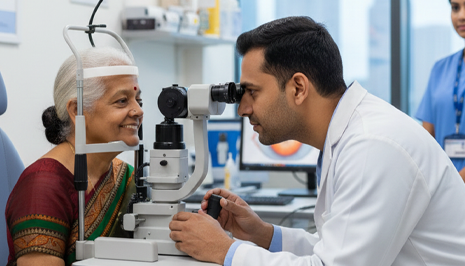
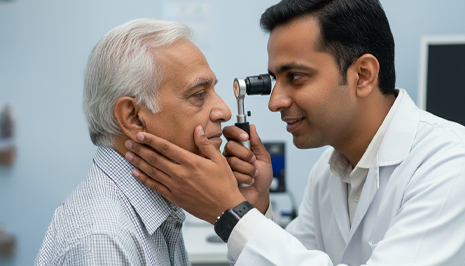
At ASG Eye Hospital Oculoplasty Department, specialists perform a detailed eye and eyelid examination to diagnose ectropion accurately. Evaluation may include:
- Comprehensive eye examination
- Eyelid position assessment
- Tear film evaluation
- Corneal examination
- Slit lamp examination
- Facial nerve assessment
- Evaluation for scarring or tumors
A personalized treatment plan is recommended based on the severity and cause of the condition.
Ectropion Treatment Options
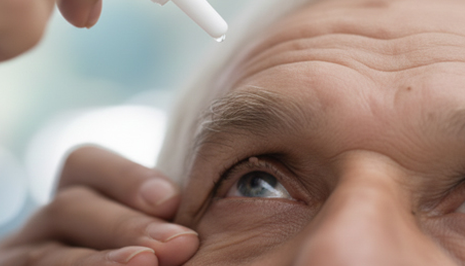
Lubricating Eye Drops & Ointments
Artificial tears and lubricating ointments help protect the eye surface from dryness and irritation caused by eyelid exposure.
Eyelid Taping
Temporary eyelid taping may help support the eyelid position in mild or temporary cases.
Medical Management
Underlying infections, inflammation, or skin conditions contributing to ectropion may require medications and supportive treatment.
Ectropion Surgery
Surgery is the most effective long-term treatment for ectropion. The procedure tightens and repositions the eyelid to restore normal eyelid alignment and eye protection. Most surgeries are minimally invasive day-care procedures with faster recovery.
Reconstructive Eyelid Surgery
Patients with severe scarring, trauma, or tumors may require reconstructive eyelid procedures to restore eyelid structure and function.
Recovery After Ectropion Surgery
Recovery after ectropion surgery generally includes:
- Mild swelling and bruising for a few days
- Temporary eye irritation
- Use of prescribed eye drops and medications
- Improvement in tearing and discomfort
- Follow-up visits for healing assessment
- Gradual restoration of normal eyelid position
Most patients can resume daily activities within a short period after surgery.
How to Prevent Ectropion Complications
You can reduce the risk of complications by:
- Seeking early treatment for eyelid changes
- Protecting the eyes from injury
- Managing facial nerve disorders promptly
- Avoiding excessive eye rubbing
- Maintaining proper eyelid hygiene
- Regular eye checkups, especially in older adults
Why Choose ASG Eye Hospital for Ectropion Treatment?
- Experienced oculoplasty specialists
- Advanced eyelid surgery techniques
- Modern diagnostic technology
- Personalized treatment planning
- Minimally invasive day-care procedures
- Comprehensive eye care services
- Trusted eye hospital network across India
ASG Eye Hospital offers advanced treatment for eyelid disorders with a focus on restoring eye comfort, protecting vision, and achieving natural eyelid function.