
Eyelid & Lacrimal (Tear System) Disorders
Know the symptoms, causes, and vision risks of eyelid & tear system disorders.
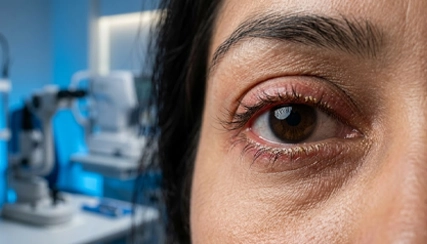
Blepharitis
Blepharitis is an inflammation of the eyelids that mainly affects the eyelash area and oil-producing glands near the eyelids.
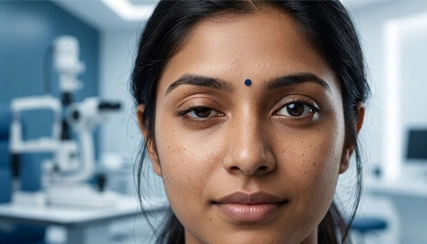
Ptosis
Ptosis is an eyelid disorder in which the upper eyelid droops due to weakness or dysfunction of the muscles responsible for lifting the eyelid.
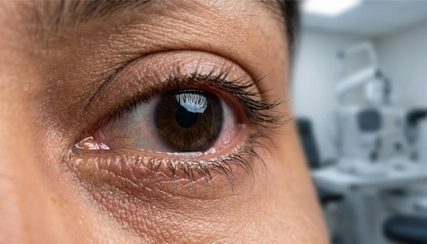
Entropion
Entropion is a condition where the eyelid folds inward, causing the eyelashes to rub directly against the eye surface.
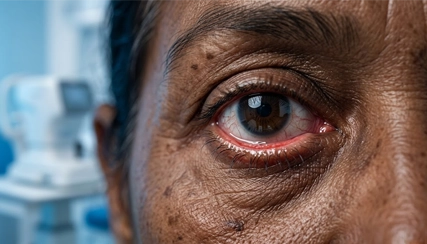
Ectropion
Ectropion occurs when the eyelid loses its normal position and turns outward, exposing the inner eyelid surface.
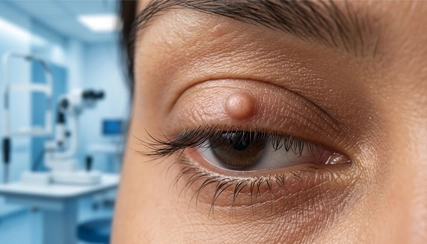
Chalazion
A chalazion is a cyst-like swelling formed when the oil-producing meibomian gland in the eyelid becomes blocked.
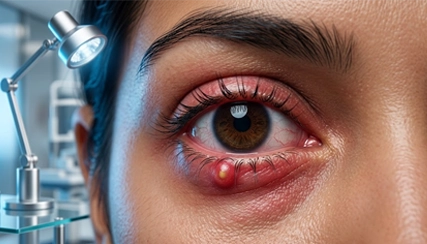
Stye
A stye is a bacterial infection affecting the oil glands or hair follicles of the eyelid. The condition usually causes a small.
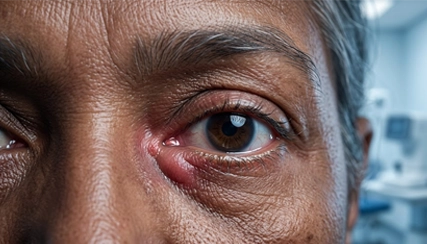
Dacryocystitis
Dacryocystitis is a tear sac infection that occurs when the nasolacrimal duct (tear drainage duct) becomes blocked.
Not sure which
treatment is right for you?
Book an appointment and let our specialists guide you.

Vision for All.
Not Just for Some
ASG is growing its network with 200 Vision Centres, delivering affordable eye care to over 4 million people.
Or

Eyelid & Tear System Disorders – Symptoms, Causes & Advanced Treatment
Eyelid and tear system disorders are common eye conditions that can affect vision, eye comfort, tear drainage, and facial appearance. Problems such as droopy eyelids, watery eyes, eyelid swelling, tear duct blockage, entropion, ectropion, and eyelid tumors may lead to irritation, excessive tearing, redness, infections, and blurred vision. At ASG Eye Hospital, experienced oculoplasty specialists provide advanced diagnosis and treatment for a wide range of eyelid and lacrimal (tear drainage) disorders using modern surgical and non-surgical techniques.
What Are Eyelid & Tear System Disorders?
The eyelids and tear drainage system protect the eyes, maintain lubrication, and support clear vision. Any abnormality in these structures can cause discomfort, watering, dryness, irritation, cosmetic concerns, or vision problems. Common eyelid and tear system disorders include:
- Ptosis (droopy eyelid)
- Entropion (inward turning eyelid)
- Ectropion (outward turning eyelid)
- Blocked tear duct (nasolacrimal duct obstruction)
- Watery eyes (epiphora)
- Blepharitis
- Eyelid tumors or cysts
- Thyroid eye disease
- Eyelid infections and swelling
- Facial nerve palsy affecting eyelid movement
Modern oculoplasty treatment focuses on restoring proper eyelid function, tear drainage, eye protection, and natural appearance.
Common Symptoms of Eyelid & Tear System Disorders
Patients with eyelid or tear duct disorders may experience:
- Constant watery eyes
- Drooping eyelids affecting vision
- Eyelid redness or swelling
- Irritation and burning sensation
- Eye pain or heaviness
- Difficulty closing the eyes
- Recurrent eye infections
- Eyelids turning inward or outward
- Crusting around eyelids
- Dryness with excessive tearing
- Visible eyelid lump or swelling
- Blurred vision due to tear film instability
Persistent symptoms should be evaluated by an eye specialist to prevent long-term complications.
Causes of Eyelid & Tear Duct Problems
Several factors may contribute to eyelid and tear system disorders, including:
- Age-related weakening of eyelid muscles
- Congenital eyelid abnormalities
- Eye infections and inflammation
- Allergies and chronic irritation
- Facial nerve weakness
- Trauma or injury near the eye
- Tear duct blockage
- Thyroid-related eye disease
- Dry eye syndrome
- Tumors or abnormal growths
- Excessive screen exposure causing dry eyes
Early diagnosis helps reduce the risk of corneal damage, chronic tearing, and visual disturbances.
Types of Eyelid & Tear System Disorders
Ptosis (Droopy Eyelid)
Ptosis occurs when the upper eyelid droops lower than normal due to muscle weakness or nerve-related issues. Severe ptosis may partially block vision and strain the eyes. Surgical correction helps restore normal eyelid position and improve vision.
Entropion
Entropion causes the eyelid to turn inward, making eyelashes rub against the cornea. This may lead to redness, irritation, watering, and eye damage if untreated.
Ectropion
Ectropion is the outward turning of the eyelid, commonly seen in older adults. It causes excessive tearing, dryness, irritation, and exposure-related discomfort.
Blocked Tear Duct (Nasolacrimal Duct Obstruction)
A blocked tear drainage system prevents tears from draining properly, leading to persistent watery eyes, mucus discharge, and recurrent infections. Procedures such as DCR surgery can restore normal tear drainage.
Watery Eyes (Epiphora)
Excessive tearing may occur due to dry eye syndrome, allergies, infections, or tear duct obstruction. Proper evaluation is necessary to identify the root cause and recommend the right treatment.
Eyelid Tumors & Lumps
Benign or malignant growths on the eyelids may require surgical removal and further evaluation to prevent complications.
Diagnosis of Eyelid & Tear System Disorders
At ASG Eye Hospital, specialists perform comprehensive eye and eyelid examinations to identify the exact cause of symptoms. Diagnostic evaluation may include:
- Eyelid function assessment
- Tear drainage testing
- Slit lamp examination
- Eye surface evaluation
- Imaging for orbital conditions
- Dry eye testing
- Evaluation of eyelid tumors or swelling
Accurate diagnosis helps create a personalized treatment plan for each patient.
Treatment Options for Eyelid & Tear System Disorders
Medical Management
Mild eyelid infections, allergies, inflammation, and dry eye conditions may be managed with medications, lubricating eye drops, warm compresses, and eyelid hygiene.
Oculoplasty Surgery
Advanced oculoplastic procedures help correct structural eyelid and tear drainage abnormalities while improving both function and appearance.
Ptosis Surgery
Ptosis surgery tightens or repairs eyelid muscles to restore normal eyelid position and improve the visual field.
DCR Surgery for Tear Duct Blockage
Dacryocystorhinostomy (DCR) creates a new tear drainage pathway to relieve blocked tear ducts and persistent watering.
Eyelid Reconstruction
Eyelid reconstruction may be needed after trauma, tumor removal, or severe eyelid deformities.
Cosmetic Eyelid Surgery
Blepharoplasty and cosmetic eyelid procedures help improve sagging eyelids, puffiness, and age-related eyelid changes while maintaining natural appearance.
Why Choose ASG Eye Hospital for Eyelid & Tear System Disorders?
- Experienced oculoplasty and eye specialists
- Advanced eyelid and tear duct treatment
- Modern minimally invasive procedures
- Personalized treatment planning
- Day-care surgical facilities
- Advanced diagnostic technology
- Focus on both vision and cosmetic outcomes
- Trusted eye care network across India
ASG Eye Hospital provides comprehensive care for functional and cosmetic eyelid conditions with a focus on patient comfort and long-term results.
Clear Answers for Better Vision
What causes watery eyes?
Watery eyes may result from dry eye syndrome, allergies, infections, or blocked tear ducts. Proper diagnosis is important for effective treatment.
Is ptosis surgery safe?
Yes, ptosis surgery is a commonly performed and safe oculoplastic procedure when done by experienced specialists.
Can blocked tear ducts be treated permanently?
Yes, procedures such as DCR surgery can provide long-term relief from tear duct blockage and excessive tearing.
When should I see a doctor for eyelid problems?
You should consult an eye specialist if you have persistent watering, eyelid swelling, drooping eyelids, irritation, redness, or vision disturbances.
What is oculoplasty?
Oculoplasty is a specialized branch of ophthalmology focused on eyelid, tear duct, orbital, and facial eye-related conditions.