Stye (Hordeolum) – Symptoms, Causes & Treatment
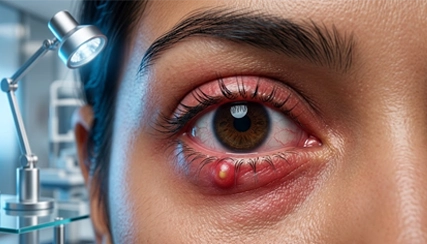
A stye, medically known as a hordeolum, is a painful red bump that develops near the edge of the eyelid due to infection of an eyelash follicle or oil gland. It may appear similar to a pimple and can cause swelling, redness, tenderness, watering, and discomfort around the eye. Although most styes heal on their own within a few days, some cases may require medical treatment if the infection spreads or symptoms become severe. At ASG Eye Hospital, experienced eye specialists provide advanced diagnosis and treatment for styes and other eyelid disorders.
Types of Stye
External Stye
An external stye develops near the base of the eyelashes and appears as a red, painful bump on the outer eyelid surface. It commonly affects eyelash follicles.
Internal Stye
An internal stye forms inside the eyelid due to infection of the meibomian oil glands. It may cause more swelling and discomfort than an external stye.
Symptoms of Stye
Common symptoms of a stye include:
- Painful eyelid swelling
- Red bump near the eyelid edge
- Tenderness around the eye
- Watering or excessive tearing
- Eyelid redness
- Burning or irritation
- Sensitivity to light
- Crusting around eyelashes
- Foreign body sensation
- Mild blurred vision due to swelling
Symptoms usually develop suddenly and may worsen over 1–2 days.
Causes of Stye
A stye usually develops due to bacterial infection of the eyelid glands or hair follicles. Common causes include:
- Bacterial infection
- Blocked oil glands
- Poor eyelid hygiene
- Touching eyes with unclean hands
- Chronic blepharitis
- Use of expired eye makeup
- Contact lens contamination
- Excessive eye rubbing
- Oily skin conditions
Maintaining good eyelid hygiene can help reduce the risk of recurrent styes.
Risk Factors for Stye
Certain conditions may increase the risk of developing styes, including:
- Chronic blepharitis
- Diabetes
- Dry eye syndrome
- Rosacea
- Poor eyelid hygiene
- Frequent eye rubbing
- Excessive makeup use
- Improper contact lens care
Difference Between Stye and Chalazion
Although both conditions affect the eyelid, they are different.
| Feature | Stye | Chalazion |
|---|
| Cause | Bacterial infection | Blocked oil gland |
| Pain | Usually painful | Often painless |
| Appearance | Red swollen bump | Firm eyelid lump |
| Infection | Infectious | Usually non-infectious |
| Onset | Sudden | Gradual |
Proper diagnosis helps determine the most effective treatment approach.
Complications of Untreated Stye
If left untreated, a stye may lead to:
- Spread of infection
- Recurrent styes
- Chalazion formation
- Eyelid swelling
- Cellulitis around the eye
- Persistent discomfort
- Temporary blurred vision
Early treatment helps prevent recurring infection and eyelid complications.
Diagnosis of Stye
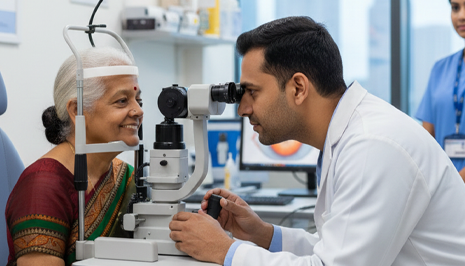
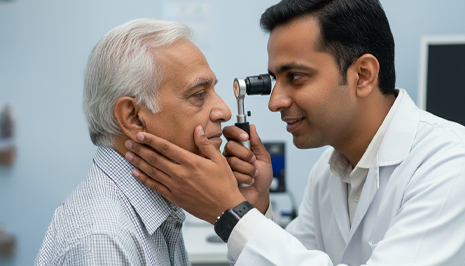
At ASG Eye Hospital, eye specialists perform a detailed eyelid examination to diagnose styes and rule out other eyelid conditions. Evaluation may include:
- Comprehensive eye examination
- Eyelid and gland assessment
- Slit lamp examination
- Assessment for blepharitis
- Dry eye evaluation
Persistent or recurrent styes may require further investigation.
Stye Treatment Options
Warm Compress Therapy
Warm compresses are one of the most effective treatments for styes. Applying a warm compress several times daily helps soften blocked oil and promote drainage.
Eyelid Cleaning & Hygiene
Gentle eyelid cleaning helps remove debris, bacteria, and oil buildup around the eyelashes and reduces recurrence risk.
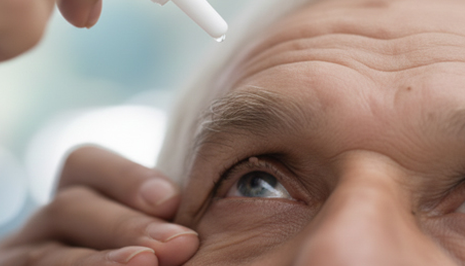
Antibiotic Eye Ointments or Drops
If bacterial infection is significant, doctors may prescribe antibiotic eye medications to reduce infection and inflammation.
Pain & Inflammation Management
Supportive medications may help relieve swelling, pain, and eyelid irritation.
Drainage Procedure
Large or persistent styes may require a minor surgical drainage procedure performed under local anesthesia by an eye specialist.
Recovery After Stye Treatment
Recovery from a stye generally includes:
- Reduced swelling within a few days
- Improvement in pain and redness
- Gradual drainage of the infected gland
- Better eye comfort with warm compresses
- Follow-up examination if symptoms persist
Most styes heal within 1–2 weeks with proper care
How to Prevent Styes
You can reduce the risk of styes by:
- Washing hands before touching the eyes
- Maintaining proper eyelid hygiene
- Removing makeup before sleeping
- Avoiding sharing eye cosmetics
- Cleaning contact lenses properly
- Managing blepharitis and dry eyes
- Avoiding excessive eye rubbing
Regular eyelid care helps prevent recurring eyelid infections.
Why Choose ASG Eye Hospital for Stye Treatment?
- Experienced eye and oculoplasty specialists
- Advanced diagnosis for eyelid disorders
- Personalized treatment planning
- Modern eye care technology
- Comprehensive dry eye and blepharitis management
- Minimally invasive eyelid procedures
- Trusted eye hospital network across India
ASG Eye Hospital provides comprehensive care for eyelid infections, styes, chalazion, and other tear system disorders with a focus on long-term eye health and patient comfort.