ASG Eye Hospital

Pterygium (Surfer’s Eye) – Eye Growth & Irritation

Understand causes, symptoms, and treatment options for pterygium with expert care at ASG Eye Hospital.

20 

Years

180+
Hospitals

700+
Eye Specialists

3
Crore+ Eyes

What is Pterygium?

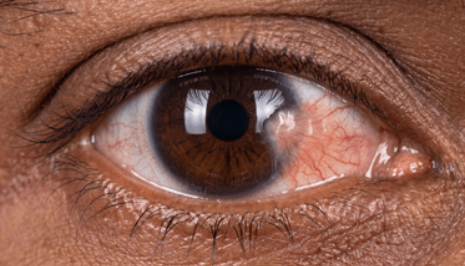
Pterygium is a fleshy, wedge-shaped tissue growth that develops on the conjunctiva and may spread toward the cornea. It usually forms on the side of the eye closer to the nose but can occur anywhere on the eye surface. The condition develops slowly and may remain stable for years or gradually increase in size.

Although pterygium is non-cancerous, larger growths can distort the cornea, cause astigmatism, and interfere with clear vision. Early diagnosis and regular monitoring help prevent complications.

Pterygium

Pterygium (Surfer’s Eye) – Symptoms, Causes & Treatment at ASG Eye Hospital

Pterygium, commonly known as surfer’s eye, is a non-cancerous growth of conjunctival tissue that develops on the white part of the eye and may gradually extend onto the cornea. The condition is commonly associated with prolonged exposure to sunlight, dust, wind, and dry environmental conditions. In early stages, pterygium may cause mild irritation and redness, but advanced cases can affect vision and eye comfort. At ASG Eye Hospital, experienced eye specialists provide advanced diagnosis and modern pterygium treatment options, including minimally invasive surgery for long-term eye health.

Types of Pterygium

Progressive Pterygium

This type continues to grow toward the cornea and may eventually affect vision and corneal shape.

Atrophic Pterygium

Atrophic pterygium is thinner, less inflamed, and usually grows slowly without major visual impact.

Symptoms of Pterygium

Common symptoms of pterygium include:

  • Redness of the eyes
  • Burning or irritation
  • Dryness and itching
  • Foreign body sensation
  • Watery eyes
  • Blurred vision in advanced stages
  • Cosmetic appearance concerns
  • Eye fatigue or discomfort
  • Inflammation around the growth

    Symptoms may worsen with dust exposure, dry weather, smoke, or prolonged sunlight exposure.

Causes of Pterygium

Pterygium is commonly linked to environmental exposure and chronic eye irritation. Common causes and contributing factors include:

  • Prolonged UV (ultraviolet) exposure
  • Excessive sunlight exposure
  • Dust and pollution
  • Windy environments
  • Dry eye syndrome
  • Outdoor occupations
  • Chronic eye irritation
  • Hot and dry climate conditions

    People who spend long hours outdoors without protective eyewear are at higher risk of developing pterygium.

Risk Factors for Pterygium

The following factors may increase the risk of pterygium:

  • Frequent outdoor activities
  • Exposure to UV radiation
  • Living in hot or dry climates
  • Chronic dry eyes
  • Dusty working environments
  • Lack of UV-protective sunglasses
  • Male gender
  • Increasing age

Complications of Untreated Pterygium

If left untreated, pterygium may lead to:

  • Chronic eye irritation
  • Persistent redness
  • Corneal scarring
  • Astigmatism
  • Distorted vision
  • Reduced visual clarity
  • Cosmetic concerns
  • Recurrence after incomplete treatment

    Large pterygium affecting the cornea may require surgical removal to restore vision and eye comfort.

Diagnosis of Pterygium

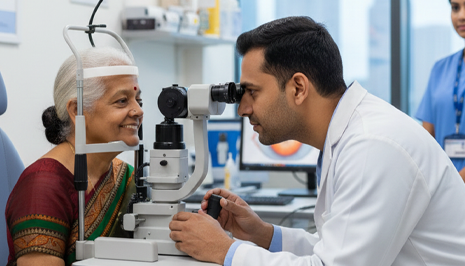
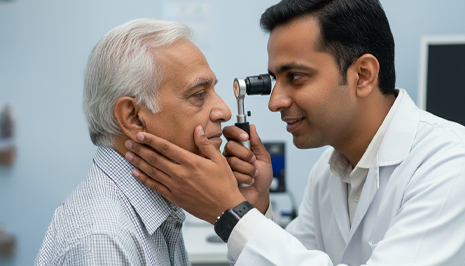
At ASG Eye Hospital, specialists perform a detailed eye examination to evaluate pterygium severity and corneal involvement. Diagnostic evaluation may include:

  • Slit lamp examination
  • Corneal assessment
  • Vision testing
  • Tear film evaluation
  • Measurement of pterygium growth
  • Dry eye assessment

    Advanced diagnostic technology helps determine whether medical management or surgery is required.

Pterygium Treatment Options

Lubricating Eye Drops

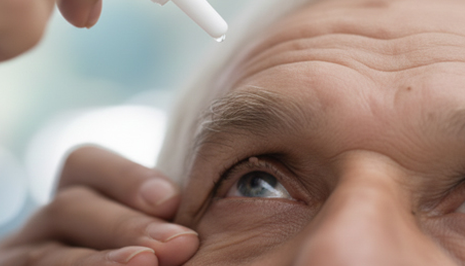
Artificial tears help reduce dryness, irritation, and burning sensations associated with pterygium.

Anti-Inflammatory Medications

Specialized eye drops may be prescribed to reduce redness and inflammation during flare-ups.

UV Protection

Wearing UV-protective sunglasses helps reduce irritation and may slow progression of pterygium growth.

Pterygium Surgery

Surgery may be recommended when:

  • Vision becomes affected
  • The growth increases in size
  • Chronic irritation persists
  • Cosmetic concerns develop

    Modern pterygium surgery involves removing the abnormal tissue and covering the area with a conjunctival graft to reduce recurrence risk.

Conjunctival Autograft Technique

This advanced surgical method uses healthy conjunctival tissue from another area of the eye to improve healing and lower recurrence rates.

Recovery After Pterygium Surgery

Recovery after surgery generally includes:

  • Mild redness and irritation for a few days
  • Use of prescribed eye drops
  • Protection from sunlight and dust
  • Follow-up eye examinations
  • Gradual improvement in eye comfort and appearance

    Most patients resume routine activities within a few days, while complete healing may take a few weeks.

How to Prevent Pterygium

You can reduce the risk of pterygium by:

  • Wearing UV-protective sunglasses
  • Using protective eyewear outdoors
  • Avoiding excessive dust exposure
  • Managing dry eye symptoms
  • Wearing hats in strong sunlight
  • Using lubricating eye drops when needed

    Proper eye protection is especially important for people working outdoors.

Why Choose ASG Eye Hospital for Pterygium Treatment?

  • Experienced cornea and eye specialists
  • Advanced pterygium surgery techniques
  • Modern diagnostic technology
  • Personalized treatment planning
  • Comprehensive cornea and eye surface care
  • Focus on reduced recurrence rates
  • Trusted eye hospital network across India

    ASG Eye Hospital provides advanced care for pterygium, dry eyes, and conjunctival disorders using modern surgical techniques and patient-focused eye care solutions.

Book Your Appointment

Submit Your Request

Get a Call from Our Team

Meet Your Specialist

Begin Your Eye Care Journey

Please wait...

Self Booking
Get A Call Back

Vision for All.
Not Just for Some

ASG is growing its network with 200 Vision Centres, delivering affordable eye care to over 4 million people.

Or

Clear Answers for Better Vision

Is pterygium dangerous?

Pterygium is usually non-cancerous, but large growths may affect vision, corneal shape, and eye comfort if left untreated.

Small pterygium may be managed with lubricating eye drops and UV protection, but surgery is needed if vision is affected or the growth progresses.

Pterygium surgery is generally performed under local anesthesia and is usually not painful during the procedure. Mild discomfort may occur during recovery.

Yes, recurrence is possible, but advanced techniques such as conjunctival grafting significantly reduce recurrence risk.

You should consult an eye specialist if you notice persistent redness, eye irritation, a visible growth on the eye, blurred vision, or increasing discomfort.

Every Angle of Vision.
Every Kind of Care.

Overview

Job Title: Consultant Ophthalmologist

Location: Jaipur, Rajasthan

Job Category: Technical/ IT Support

Work Employment:  Full time

What you work:

  • Diagnose and treat patients with a focus on Ophthalmologist.
  • Collaborate with senior doctors and multidisciplinary teams.
  • Ensure patient-centric care and follow clinical protocols.
  • Contribute to research, training, or hospital initiatives (if applicable).

Mandatory skills:

  • Relevant medical degree / certification.
  • Strong knowledge of ophthalmology practices / healthcare protocols.
  • Excellent communication and patient-handling skills.
  • Ability to work in fast-paced healthcare environments.

Preferred Qualifications:

  • Experience: 3 to 6 years of experience
  • Prior experience in eye care / multi-speciality hospitals.
  • Fellowship or advanced training in Ophthalmologist.
  • Familiarity with advanced diagnostic tools and surgical techniques.
  • Passion for innovation, patient care, and continuous learning.

Apply For This Positions

This will close in 0 seconds