
Conjunctiva Disorders – Eye Irritation & Redness
Explore symptoms, causes, and risks of conjunctiva disorders with expert care at ASG Eye Hospital.
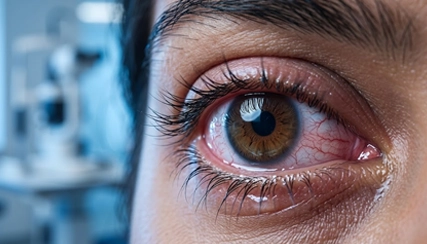
Conjunctivitis
Conjunctivitis, commonly known as pink eye, is an inflammation or infection of the conjunctiva — the thin transparent membrane covering the white part of the eye and inner eyelids.
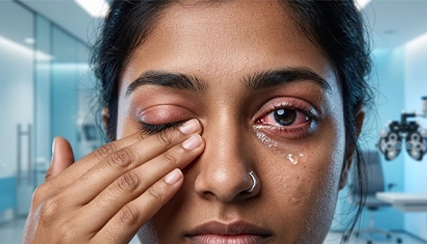
Allergic Conjunctivitis
Allergic conjunctivitis is a common eye allergy that occurs when the conjunctiva reacts to allergens such as dust, pollen, smoke, pet dander, pollution, or seasonal changes.
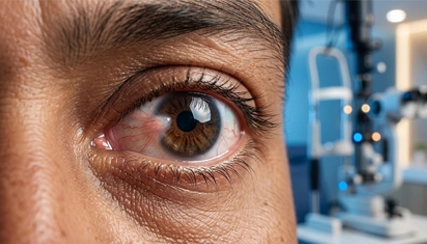
Pterygium
Pterygium, commonly known as surfer’s eye, is a non-cancerous growth of conjunctival tissue that develops on the white part of the eye and may gradually extend onto the cornea.
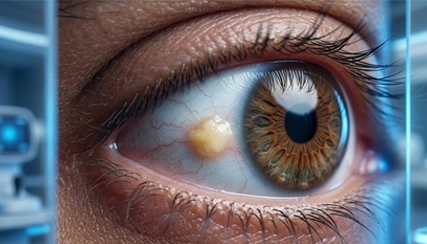
Pinguecula
Pinguecula is a common, non-cancerous yellowish growth that develops on the conjunctiva — the clear membrane covering the white part of the eye.
Not sure which
treatment is right for you?
Book an appointment and let our specialists guide you.

Vision for All.
Not Just for Some
ASG is growing its network with 200 Vision Centres, delivering affordable eye care to over 4 million people.
Or

Conjunctiva Disorders – Symptoms, Causes & Treatment at ASG Eye Hospital
The conjunctiva is a thin, transparent membrane that covers the white part of the eye and lines the inner surface of the eyelids. It helps protect the eyes from dust, infections, and environmental irritants while also contributing to tear film stability. When the conjunctiva becomes inflamed, infected, damaged, or irritated, it can lead to redness, discomfort, watering, itching, discharge, and vision-related problems. At ASG Eye Hospital, experienced eye specialists provide advanced diagnosis and treatment for various conjunctiva disorders using modern diagnostic technology and personalized treatment plans.
What Are Conjunctiva Disorders?
Conjunctiva disorders are conditions affecting the conjunctiva, the protective membrane covering the eye surface. These disorders may result from infections, allergies, inflammation, trauma, autoimmune diseases, or environmental exposure. Some conjunctival conditions are temporary and mild, while others may require long-term medical care to prevent complications and maintain healthy vision.
The conjunctiva plays an important role in lubricating and protecting the eye. Any damage or inflammation can disturb normal eye comfort and visual quality.
Common Symptoms of Conjunctiva Disorders
Patients with conjunctival disorders may experience:
- Redness of the eyes
- Itching or burning sensation
- Excessive tearing or watery eyes
- Eye irritation or discomfort
- Swelling of the conjunctiva
- Sticky discharge from the eyes
- Sensitivity to light
- Foreign body sensation
- Blurred vision due to excessive tearing
- Dryness or gritty feeling
- Crusting around eyelids
Persistent symptoms should be evaluated by an eye specialist to prevent infection spread or long-term eye surface damage.
Causes of Conjunctiva Disorders
Conjunctival problems may develop due to several reasons, including:
- Viral infections
- Bacterial infections
- Allergic reactions
- Environmental pollution and dust
- Excessive screen exposure causing dryness
- Contact lens irritation
- Chemical exposure
- Eye injuries or trauma
- Autoimmune disorders
- Dry eye syndrome
- Poor eye hygiene
Identifying the exact cause is important for choosing the right treatment and preventing recurrence.
Types of Conjunctiva Disorders
Conjunctivitis (Pink Eye)
Conjunctivitis is one of the most common conjunctival disorders and may occur due to viral, bacterial, or allergic causes. Symptoms often include redness, discharge, itching, and watering of the eyes. Viral conjunctivitis is highly contagious, while allergic conjunctivitis is usually associated with itching and seasonal allergies.
Allergic Conjunctivitis
Allergic conjunctivitis develops when the eyes react to allergens such as dust, pollen, smoke, or pet dander. Patients often experience itching, redness, swelling, and watery eyes.
Dry Eye-Related Conjunctival Irritation
Chronic dryness can irritate the conjunctiva and cause burning, redness, and discomfort, especially in individuals with prolonged screen exposure or environmental dryness.
Pterygium
Pterygium is a non-cancerous growth of conjunctival tissue extending onto the cornea. It is commonly associated with excessive UV exposure, dust, and outdoor environmental conditions.
Conjunctival Hemorrhage
A conjunctival hemorrhage occurs when small blood vessels break beneath the conjunctiva, causing a bright red patch on the eye surface. It is usually painless and may occur due to coughing, injury, or high blood pressure.
Conjunctival Tumors & Growths
Rarely, abnormal growths or tumors may develop on the conjunctiva and require evaluation by an eye specialist for proper diagnosis and management.
Risk Factors for Conjunctiva Disorders
Certain factors may increase the risk of conjunctival diseases, including:
- Exposure to allergens or pollution
- Poor hygiene practices
- Long-term contact lens use
- Dry eye syndrome
- Weak immune system
- Excessive screen time
- Outdoor UV exposure
- Chronic eye rubbing
- Viral or bacterial infections
Complications of Untreated Conjunctiva Disorders
Without timely treatment, conjunctival disorders may lead to:
- Spread of infection
- Chronic redness and irritation
- Corneal involvement
- Blurred vision
- Recurrent eye infections
- Persistent discomfort
- Dry eye complications
- Eye surface damage
Early diagnosis and treatment help protect long-term eye health and maintain visual comfort.
Diagnosis of Conjunctiva Disorders
At ASG Eye Hospital, specialists perform a comprehensive eye examination to diagnose conjunctival disorders accurately. Diagnostic evaluation may include:
- Slit lamp examination
- Eye surface assessment
- Tear film evaluation
- Allergy evaluation
- Infection assessment
- Corneal examination
- Vision testing
Advanced diagnostic technology helps specialists identify the underlying cause and recommend the most effective treatment plan.
Treatment Options for Conjunctiva Disorders
Lubricating Eye Drops
Artificial tears help relieve dryness, irritation, and burning sensations associated with conjunctival inflammation and dry eye conditions.
Antibiotic Eye Drops
Bacterial conjunctivitis and related infections may require antibiotic eye drops or ointments to control infection.
Anti-Allergic Treatment
Allergic conjunctivitis is commonly treated with anti-allergic eye drops, cold compresses, and avoidance of allergens.
Anti-Inflammatory Medications
Some inflammatory conjunctival conditions may require anti-inflammatory medications to reduce swelling and discomfort.
Surgical Management
Conditions such as pterygium, conjunctival growths, or tumors may require surgical removal or specialized treatment.
How to Prevent Conjunctiva Disorders
You can reduce the risk of conjunctival problems by:
- Washing hands regularly
- Avoiding touching or rubbing the eyes
- Maintaining proper contact lens hygiene
- Protecting eyes from dust and pollution
- Wearing UV-protective sunglasses
- Taking breaks during prolonged screen use
- Avoiding sharing towels or cosmetics
- Seeking treatment for persistent eye irritation
Why Choose ASG Eye Hospital for Conjunctiva Disorder Treatment?
- Experienced eye specialists
- Advanced eye diagnostic technology
- Personalized treatment planning
- Comprehensive eye care services
- Specialized management for infections and allergies
- Modern surgical facilities for advanced eye conditions
- Trusted eye hospital network across India
ASG Eye Hospital provides comprehensive care for conjunctival diseases and eye surface disorders with a focus on accurate diagnosis, effective treatment, and long-term eye comfort.
Clear Answers for Better Vision
What causes red eyes?
Red eyes may occur due to conjunctivitis, allergies, dryness, infections, irritation, or conjunctival hemorrhage.
Is conjunctivitis contagious?
Viral and bacterial conjunctivitis can be contagious, while allergic conjunctivitis is not contagious.
Can conjunctiva disorders affect vision?
Yes, severe inflammation or untreated infections may affect the cornea and temporarily disturb vision.
How long does conjunctivitis last?
The duration depends on the cause. Viral conjunctivitis may last 1–2 weeks, while allergic conjunctivitis may continue until allergens are controlled.
When should I see an eye specialist?
You should consult an eye doctor if you experience persistent redness, pain, swelling, discharge, blurred vision, or sensitivity to light.