Pinguecula – Symptoms, Causes & Treatment at ASG Eye Hospital
Pinguecula is a common, non-cancerous yellowish growth that develops on the conjunctiva — the clear membrane covering the white part of the eye. It usually appears on the side of the eye closer to the nose and is often associated with long-term exposure to sunlight, dust, wind, and dry environments. Although pinguecula is generally harmless, it may cause redness, irritation, dryness, burning sensation, and cosmetic concerns in some patients. At ASG Eye Hospital, experienced eye specialists provide advanced diagnosis and treatment for pinguecula and other conjunctival disorders using modern eye care technology.
Symptoms of Pinguecula
Common symptoms of pinguecula include:
- Yellowish or whitish bump on the white part of the eye
- Redness around the growth
- Eye irritation or burning sensation
- Dryness in the eyes
- Foreign body sensation
- Mild itching
- Watery eyes
- Eye fatigue or discomfort
- Cosmetic appearance concerns
Many patients may have no symptoms and notice the condition only during routine eye examination.
Causes of Pinguecula
Pinguecula commonly develops due to chronic exposure to environmental irritants. Common causes and contributing factors include:
- Prolonged UV (ultraviolet) exposure
- Excessive sunlight exposure
- Dust and pollution
- Dry and windy climates
- Chronic eye irritation
- Lack of protective eyewear
- Outdoor occupations
- Aging-related conjunctival changes
Long-term exposure to harsh environmental conditions increases the risk of conjunctival tissue degeneration.
Risk Factors for Pinguecula
The following factors may increase the risk of pinguecula:
- Frequent outdoor exposure
- Hot and dry climate conditions
- UV radiation exposure
- Chronic dry eyes
- Increasing age
- Dusty work environments
- Smoking and pollution exposure
Difference Between Pinguecula and Pterygium
Although both conditions affect the conjunctiva, they are different.
| Feature |
Pinguecula |
Pterygium |
| Appearance |
Yellowish raised spot |
Fleshy triangular growth |
| Corneal Involvement |
Does not grow onto cornea |
May extend onto cornea |
| Vision Impact |
Rarely affects vision |
May affect vision |
| Severity |
Usually mild |
Can become progressive |
| Treatment Need |
Often conservative |
Sometimes surgical |
Proper diagnosis by an eye specialist helps differentiate these conditions and guide treatment.
Complications of Untreated Pinguecula
Although pinguecula is generally harmless, untreated inflammation may lead to:
- Chronic eye irritation
- Persistent redness
- Dry eye symptoms
- Cosmetic concerns
- Recurrent inflammation (pingueculitis)
- Contact lens discomfort
Severe irritation may require medical treatment to improve eye comfort.
Diagnosis of Pinguecula
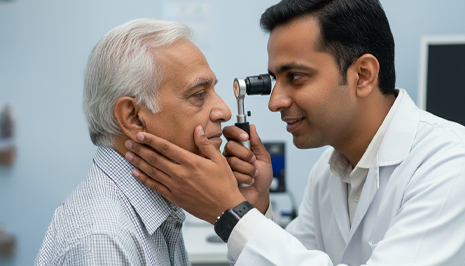
At ASG Eye Hospital, specialists perform a detailed eye examination to diagnose pinguecula and assess associated eye surface problems. Diagnostic evaluation may include:
Pinguecula Treatment Options
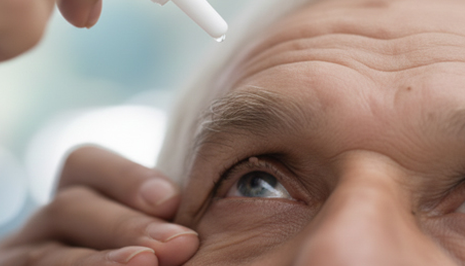
Lubricating Eye Drops
Artificial tears help reduce dryness, burning sensation, and irritation associated with pinguecula.
Anti-Inflammatory Eye Drops
Specialized medications may be prescribed to reduce redness and inflammation during episodes of pingueculitis.
UV Protection
Wearing UV-protective sunglasses and hats helps protect the eyes from sunlight and slows progression of conjunctival changes.
Environmental Protection
Avoiding dust, smoke, pollution, and dry wind exposure can help reduce irritation and prevent worsening symptoms.
Surgical Removal
Surgery is rarely required but may be considered for:
- Persistent irritation
- Cosmetic concerns
- Recurrent inflammation
- Difficulty wearing contact lenses
Pinguecula removal is generally a minor procedure with good cosmetic and functional outcomes.
Recovery After Pinguecula Treatment
Recovery after treatment generally includes:
- Reduced redness and irritation
- Improved eye comfort
- Use of prescribed lubricating drops
- Temporary protection from sunlight and dust
- Follow-up eye examinations
Most patients experience significant symptom relief with conservative management.
How to Prevent Pinguecula
You can reduce the risk of pinguecula by:
- Wearing UV-protective sunglasses
- Using protective eyewear outdoors
- Avoiding excessive sunlight exposure
- Managing dry eye symptoms
- Protecting eyes from dust and pollution
- Using lubricating eye drops when needed
Regular eye protection is especially important for individuals working outdoors.
Why Choose ASG Eye Hospital for Pinguecula Treatment?
- Experienced cornea and eye specialists
- Advanced diagnostic technology
- Personalized treatment planning
- Comprehensive eye surface care
- Modern medical and surgical treatment options
- Trusted eye hospital network across India
- Focus on long-term eye comfort and healthy vision
ASG Eye Hospital provides advanced care for pinguecula, pterygium, dry eyes, and conjunctival disorders with patient-focused treatment and modern eye care solutions.