
Congenital Glaucoma: Protecting Your Child’s Vision
Congenital glaucoma is a rare eye condition in infants caused by fluid drainage issues. Early screening and expert care can help protect vision.

20
Years
180+
Hospitals

700+
Eye Specialists

3
Crore+ Eyes



What is Congenital Glaucoma?
Congenital glaucoma, also called pediatric glaucoma or infantile glaucoma, develops due to abnormal development of the eye’s drainage angle. Normally, fluid inside the eye drains properly to maintain healthy eye pressure. In congenital glaucoma, improper drainage causes fluid buildup and increased pressure inside the eye, which damages the optic nerve.
The condition may affect one or both eyes and often appears during infancy or within the first few years of life. Early treatment is critical because childhood glaucoma can progress rapidly.
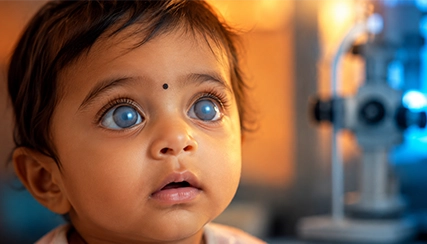
Congenital Glaucoma – Symptoms, Causes & Treatment at ASG Eye Hospital
Congenital glaucoma is a rare but serious eye condition present at birth or developing during early childhood. It occurs when the eye’s drainage system does not develop properly, causing increased pressure inside the eye (intraocular pressure). If left untreated, congenital glaucoma can damage the optic nerve and lead to permanent vision loss or blindness. Early diagnosis and timely treatment are extremely important for protecting a child’s vision and supporting healthy visual development. At ASG Eye Hospital, experienced pediatric ophthalmologists and glaucoma specialists provide advanced diagnosis, surgical treatment, and long-term management for congenital glaucoma using modern eye care technology.
Types of Congenital Glaucoma
Primary Congenital Glaucoma
Primary congenital glaucoma occurs independently without other eye abnormalities. It is the most common form of childhood glaucoma.
Secondary Congenital Glaucoma
Secondary congenital glaucoma develops along with other genetic syndromes, eye abnormalities, or developmental disorders.
Symptoms of Congenital Glaucoma
Common signs and symptoms include:
- Excessive tearing or watery eyes
- Sensitivity to light (photophobia)
- Frequent blinking
- Enlarged eyes (buphthalmos)
- Cloudy or hazy cornea
- Eye redness
- Eye irritation
- Excessive eye rubbing
- Poor visual response
- Corneal swelling
- Eye discomfort or pain
Parents may notice unusually large or cloudy eyes in infants. These symptoms require immediate evaluation by a pediatric eye specialist.
Causes of Congenital Glaucoma
Congenital glaucoma develops due to abnormal development of the eye’s drainage system before birth. The abnormal drainage prevents proper outflow of aqueous fluid, increasing intraocular pressure.
Possible causes and contributing factors include:
- Genetic mutations
- Family history of glaucoma
- Developmental abnormalities before birth
- Associated genetic syndromes
- Abnormal drainage angle formation
Some cases may have a hereditary link, while others occur without a known family history.
Risk Factors for Congenital Glaucoma
The following factors may increase the risk:
- Family history of congenital glaucoma
- Genetic disorders
- Parental consanguinity
- Developmental eye abnormalities
- Male gender
- Birth-related developmental defects
Complications of Untreated Congenital Glaucoma
Without timely treatment, congenital glaucoma may lead to:
- Permanent optic nerve damage
- Vision loss
- Blindness
- Corneal scarring
- Enlarged eyeball
- Lazy eye (amblyopia)
- High refractive errors
- Poor visual development
Early diagnosis and surgical management significantly improve long-term visual outcomes.
Diagnosis of Congenital Glaucoma
At ASG Eye Hospital, specialists perform detailed pediatric eye examinations to diagnose congenital glaucoma accurately. Diagnostic evaluation may include:
- Intraocular pressure measurement
- Corneal examination
- Eye enlargement assessment
- Optic nerve evaluation
- Drainage angle examination (gonioscopy)
- Pediatric retinal examination
- Examination under anesthesia in infants
Advanced pediatric glaucoma diagnostics help specialists evaluate disease severity and plan treatment effectively.
Treatment Options for Congenital Glaucoma
Medications
Eye drops and oral medications may temporarily help reduce eye pressure before surgery or as supportive treatment.
Goniotomy
Goniotomy is a surgical procedure that improves fluid drainage by opening the abnormal drainage angle inside the eye.
Trabeculotomy
Trabeculotomy creates a new drainage pathway to lower intraocular pressure and protect the optic nerve.
Glaucoma Drainage Devices
In severe or recurrent cases, specialized drainage implants may be used to control eye pressure.
Long-Term Monitoring
Children with congenital glaucoma require lifelong follow-up examinations to monitor eye pressure, visual development, and optic nerve health.
Recovery & Follow-Up Care
After glaucoma surgery, follow-up care is extremely important. Recovery generally includes:
- Regular eye pressure monitoring
- Use of prescribed medications
- Visual development assessment
- Refractive error correction if needed
- Long-term pediatric glaucoma evaluation
Many children achieve useful vision with early treatment and regular eye care.
Importance of Early Detection
Parents should seek immediate medical attention if an infant develops:
- Enlarged or cloudy eyes
- Excessive tearing
- Light sensitivity
- Persistent eye redness
- Unusual visual behavior
Early diagnosis can help prevent permanent vision damage and improve long-term visual development.
Why Choose ASG Eye Hospital for Congenital Glaucoma Treatment?
- Experienced pediatric glaucoma specialists
- Advanced pediatric eye diagnostic technology
- Modern glaucoma surgical facilities
- Child-friendly eye care environment
- Comprehensive long-term glaucoma management
- Specialized pediatric ophthalmology services
- Trusted eye hospital network across India
ASG Eye Hospital provides comprehensive diagnosis, surgery, and long-term care for congenital glaucoma with a focus on protecting vision and supporting healthy visual development in children.

Book Your Appointment

Submit Your Request
Get a Call from Our Team
Meet Your Specialist
Begin Your Eye Care Journey
Please wait...
Self Booking
Get A Call Back

Vision for All.
Not Just for Some
ASG is growing its network with 200 Vision Centres, delivering affordable eye care to over 4 million people.
Or
Clear Answers for Better Vision
Is congenital glaucoma curable?
Congenital glaucoma can often be controlled successfully with early surgery and long-term monitoring, although lifelong follow-up may be necessary.
What are the first signs of congenital glaucoma?
Common early signs include watery eyes, enlarged eyes, light sensitivity, and cloudy cornea.
Is congenital glaucoma hereditary?
Some cases have a genetic association and may occur in families with a history of congenital glaucoma.
Can babies with congenital glaucoma have normal vision?
Many children achieve functional vision with early diagnosis, timely surgery, and regular follow-up care.
When should parents consult an eye specialist?
Parents should immediately consult a pediatric eye specialist if a child develops cloudy eyes, enlarged eyes, excessive tearing, or light sensitivity.

Every Angle of Vision.
Every Kind of Care.
Cataract
What do you understand by Cataract? A cataract is an eye condition characterized by the clouding of the natural lens in the eye, leading to vision

Diabetic Retinopathy
What Do You Understand by Diabetic Retinopathy? Diabetic retinopathy is an eye condition, it is caused by diabetes

Cornea
Cornea and Associated Diseases The cornea is the transparent front part of the eye that covers the iris, pupil, and anterior parts of an eye.
Glaucoma
Glaucoma: A Silent Thief of Sight Glaucoma is an eye condition that directly damages the optic nerve (the bundle of nerve fibers that carries..

Neuro-Ophthalmology
What is Neuro-Ophthalmology? Neuro ophthalmology is a combination of super specialty of both neurology and ..