Strabismus (Squint Eye) – Symptoms, Causes & Treatment at ASG Eye Hospital
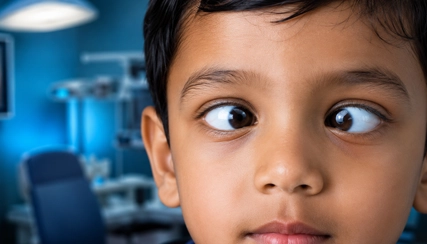
Strabismus, commonly known as squint eye, is a condition in which both eyes do not align properly and may point in different directions. One eye may look straight while the other turns inward, outward, upward, or downward. Strabismus can affect children and adults and may interfere with binocular vision, depth perception, and normal visual development. Early diagnosis and timely treatment are important to prevent complications such as lazy eye (amblyopia) and long-term vision problems. At ASG Eye Hospital, experienced pediatric ophthalmologists and squint specialists provide advanced diagnosis and personalized treatment for strabismus using modern technology and child-friendly care.
Types of Strabismus
Esotropia (Inward Squint)
In esotropia, one or both eyes turn inward toward the nose. It is one of the most common types of childhood squint.
Exotropia (Outward Squint)
Exotropia occurs when one eye turns outward away from the nose. It may become more noticeable during fatigue or when focusing on distant objects.
Hypertropia
Hypertropia occurs when one eye turns upward compared to the other eye.
Hypotropia
Hypotropia occurs when one eye turns downward.
Intermittent Strabismus
In some cases, eye misalignment occurs only occasionally, especially during tiredness, illness, or stress.
Symptoms of Strabismus
Common symptoms of strabismus include:
- Misaligned or wandering eyes
- Double vision
- Poor depth perception
- Squinting or closing one eye
- Head tilting
- Eye strain
- Difficulty focusing
- Frequent blinking
- Reduced vision in one eye
- Poor hand-eye coordination in children
Parents may notice that a child’s eyes are not moving together properly.
Causes of Strabismus
Strabismus develops due to problems affecting eye muscle coordination and brain-eye communication. Common causes include:
- Weak or imbalanced eye muscles
- Refractive errors
- Family history of squint
- Premature birth
- Neurological disorders
- Brain injury or trauma
- Pediatric eye conditions
- Stroke or nerve damage in adults
- Congenital eye muscle abnormalities
Some children may develop strabismus from birth, while others develop it later during visual development.
Risk Factors for Strabismus
The following factors may increase the risk of squint eye:
- Family history of strabismus
- Premature birth
- Low birth weight
- Cerebral palsy
- Down syndrome
- Uncorrected refractive errors
- Neurological conditions
- Previous eye injury
Complications of Untreated Strabismus
Without proper treatment, strabismus may lead to:
- Lazy eye (amblyopia)
- Permanent vision reduction
- Loss of binocular vision
- Poor depth perception
- Double vision
- Learning difficulties in children
- Social and cosmetic concerns
- Reduced visual coordination
Early treatment is especially important in children because visual development occurs during early childhood.
Diagnosis of Strabismus
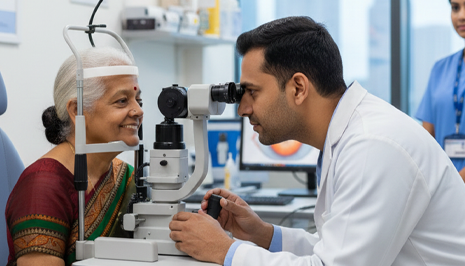
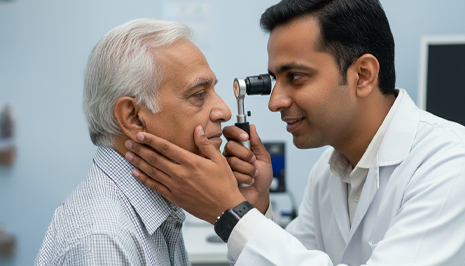
At ASG Eye Hospital, specialists perform comprehensive eye examinations to diagnose strabismus and evaluate visual development. Diagnostic evaluation may include:
- Eye alignment testing
- Vision assessment
- Refraction testing
- Eye movement evaluation
- Binocular vision testing
- Retinal examination
- Pediatric eye examination
Advanced squint assessment systems help specialists identify the type and severity of eye misalignment accurately.
Treatment Options for Strabismus
Prescription Glasses
Corrective glasses may help improve eye alignment in children with refractive errors.
Patching Therapy
Patching therapy is commonly used when lazy eye develops along with strabismus. The stronger eye is temporarily covered to strengthen the weaker eye.
Vision Therapy
Eye exercises and visual therapy may help improve eye coordination and focusing ability in selected cases.
Prism Lenses
Special prism glasses may reduce double vision and improve eye alignment.
Botox Injections
Botulinum toxin injections may occasionally be used to relax overactive eye muscles in selected patients.
Strabismus Surgery
Squint surgery may be recommended when glasses or therapy alone cannot correct eye alignment. During surgery, eye muscles are adjusted to improve alignment and binocular vision. Modern squint surgery is generally safe and effective for both children and adults.
Recovery After Squint Surgery
Recovery after strabismus surgery generally includes:
How to Prevent Vision Problems from Strabismus
Although some forms of strabismus cannot be prevented, early detection can reduce long-term complications. Parents should:
- Schedule regular pediatric eye examinations
- Watch for eye misalignment in children
- Correct refractive errors early
- Seek prompt treatment for lazy eye
- Monitor visual development regularly
Why Choose ASG Eye Hospital for Strabismus Treatment?
- Experienced pediatric ophthalmologists and squint specialists
- Advanced eye alignment diagnostic technology
- Child-friendly eye care environment
- Personalized treatment plans
- Modern squint surgery techniques
- Comprehensive pediatric eye care services
- Trusted eye hospital network across India
ASG Eye Hospital provides advanced diagnosis and treatment for strabismus, lazy eye, pediatric vision disorders, and binocular vision problems using modern technology and patient-focused care.