Nystagmus – Symptoms, Causes & Treatment at ASG Eye Hospital
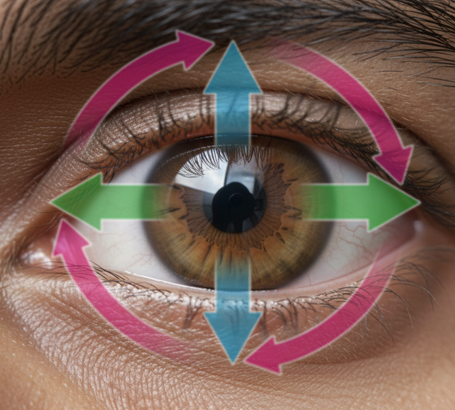
Nystagmus is a vision condition characterized by involuntary, repetitive, and uncontrolled eye movements. These eye movements may occur side-to-side, up and down, or in a circular pattern. Nystagmus can affect one or both eyes and may interfere with clear vision, depth perception, balance, and coordination. The condition may be present from birth (congenital nystagmus) or develop later in life due to neurological, inner ear, or eye-related disorders. Early diagnosis and proper management are important to improve visual function and identify underlying medical conditions. At ASG Eye Hospital, experienced neuro-ophthalmologists and pediatric eye specialists provide advanced diagnosis and comprehensive treatment for nystagmus using modern neuro-ophthalmic diagnostic technology.
Types of Nystagmus
Congenital Nystagmus
Congenital or infantile nystagmus develops during infancy, usually within the first few months of life. It may occur due to developmental eye or neurological conditions.
Acquired Nystagmus
Acquired nystagmus develops later in life due to neurological diseases, brain disorders, trauma, medication side effects, or inner ear problems.
Horizontal Nystagmus
The eyes move side-to-side horizontally.
Vertical Nystagmus
The eyes move upward and downward.
Rotary Nystagmus
The eyes rotate in circular movements.
Symptoms of Nystagmus
Common symptoms include:
- Rapid involuntary eye movements
- Blurred vision
- Difficulty focusing
- Poor depth perception
- Head tilting or turning
- Dizziness
- Balance problems
- Sensitivity to light
- Reduced night vision
- Oscillopsia (sensation that surroundings are moving)
Symptoms may worsen during stress, fatigue, or anxiety.
Causes of Nystagmus
Nystagmus may develop due to various eye, neurological, or vestibular disorders, including:
Congenital Eye Conditions
- Congenital cataracts
- Albinism
- Optic nerve disorders
- Retinal diseases
Neurological Disorders
- Multiple sclerosis
- Stroke
- Brain tumors
- Head injury
- Neurodegenerative diseases
Inner Ear & Balance Disorders
- Vestibular disorders
- Ménière’s disease
- Labyrinthitis
Medication & Substance Use
Certain medications, alcohol, or drug toxicity may trigger acquired nystagmus.
Genetic Causes
Some forms of congenital nystagmus may have hereditary associations.
Risk Factors for Nystagmus
Factors that may increase the risk include:
- Family history of nystagmus
- Neurological disease
- Premature birth
- Congenital eye disorders
- Head injury
- Inner ear disease
- Stroke
- Certain medications
Complications of Untreated Nystagmus
Without proper management, nystagmus may lead to:
- Reduced visual acuity
- Difficulty reading
- Poor hand-eye coordination
- Balance and mobility issues
- Learning difficulties in children
- Reduced quality of life
- Social and occupational challenges
Underlying neurological conditions may also progress if left untreated.
Diagnosis of Nystagmus
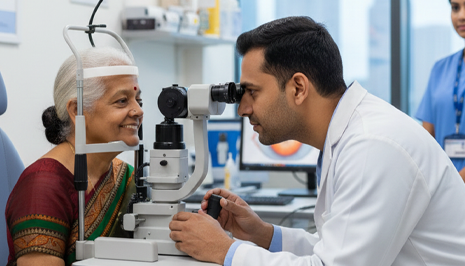
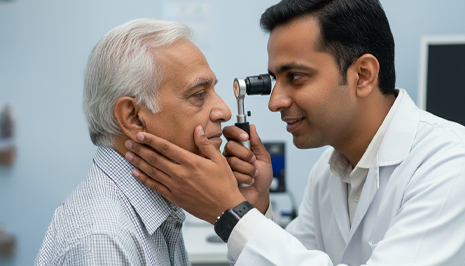
At ASG Eye Hospital, specialists perform detailed eye and neurological evaluations to diagnose nystagmus and determine the underlying cause. Diagnostic tests may include:
- Comprehensive eye examination
- Eye movement analysis
- Visual acuity testing
- Retinal examination
- Optical Coherence Tomography (OCT)
- Neurological evaluation
- MRI or CT brain imaging
- Vestibular testing
- Genetic evaluation if required
Advanced neuro-ophthalmic diagnostic systems help specialists accurately evaluate abnormal eye movements.
Treatment Options for Nystagmus
Corrective Glasses or Contact Lenses
Prescription glasses or contact lenses may improve visual clarity in some patients.
Vision Therapy
Visual exercises and rehabilitation may help improve visual function and eye coordination.
Medications
Certain medications may help reduce abnormal eye movements in selected cases.
Treatment of Underlying Disorders
Management of neurological disease, vestibular problems, or eye disorders may improve symptoms.
Prism Glasses
Prism lenses may help improve head posture and visual comfort.
Eye Muscle Surgery
In some patients, surgery may help reposition eye muscles to improve head posture and reduce abnormal movements.
Living with Nystagmus
Many people with nystagmus can lead active and productive lives with appropriate visual support and treatment. Helpful measures may include:
When Should You Consult an Eye Specialist?
You should seek medical attention if you experience:
- Uncontrolled eye movements
- Sudden onset of nystagmus
- Blurred or unstable vision
- Balance problems
- Head tilting
- Dizziness or neurological symptoms
Sudden acquired nystagmus may indicate a serious neurological condition requiring urgent evaluation.
Why Choose ASG Eye Hospital for Nystagmus Treatment?
- Experienced neuro-ophthalmologists and pediatric eye specialists
- Advanced eye movement diagnostic technology
- Comprehensive neurological eye evaluation
- Personalized treatment plans
- Modern neuro-imaging support
- Child-friendly vision care services
- Trusted eye hospital network across India
ASG Eye Hospital provides advanced diagnosis and management for nystagmus and neuro-ophthalmology disorders with a focus on improving visual function, identifying underlying causes, and enhancing quality of life.