
Neuro Ophthalmology Disorders: Expert Eye & Brain Care
Neuro‑ophthalmology disorders link brain and eye health. Early screening and expert care can help manage symptoms and protect vision.
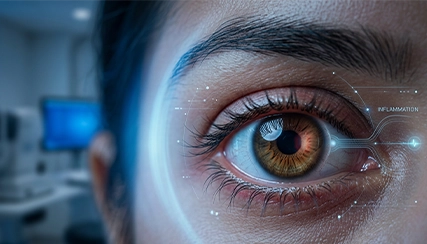
Optic Neuritis
Optic neuritis is an inflammatory condition that affects the optic nerve — the nerve responsible for carrying visual information from the eyes to the brain.
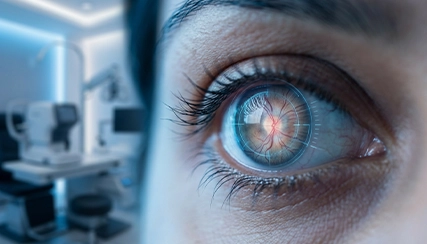
Papilledema
Papilledema is swelling of the optic disc caused by increased pressure inside or around the brain (intracranial pressure).
Diplopia
Diplopia, commonly known as double vision, is a condition in which a person sees two images of a single object. The images may appear side by side
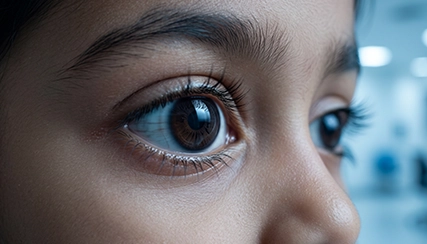
Nystagmus
Nystagmus is a vision condition characterized by involuntary, repetitive, and uncontrolled eye movements. These eye movements may occur side-to-side
Not sure which
treatment is right for you?
Book an appointment and let our specialists guide you.

Vision for All.
Not Just for Some
ASG is growing its network with 200 Vision Centres, delivering affordable eye care to over 4 million people.
Or

Neuro-Ophthalmology Disorders – Symptoms, Causes & Treatment at ASG Eye Hospital
Neuro-ophthalmology disorders are conditions that affect the connection between the eyes, optic nerves, brain, and nervous system. These disorders can interfere with vision, eye movements, pupil reactions, and visual processing. Neuro-ophthalmic conditions may develop due to neurological diseases, optic nerve problems, brain disorders, trauma, infections, or vascular abnormalities. Early diagnosis and treatment are important because some neuro-ophthalmology disorders may indicate serious underlying neurological conditions. At ASG Eye Hospital, experienced neuro-ophthalmologists provide advanced diagnosis and comprehensive management for complex vision and neurological eye disorders using modern imaging and diagnostic technology.
What is Neuro-Ophthalmology?
Neuro-ophthalmology is a specialized branch of ophthalmology that focuses on vision problems related to the nervous system. It combines eye care and neurology to diagnose and treat disorders affecting:
- Optic nerves
- Brain pathways related to vision
- Eye movement control
- Pupillary function
- Visual processing centers
- Cranial nerves affecting the eyes
Neuro-ophthalmologists evaluate symptoms that may involve both the eyes and neurological system.
Common Neuro-Ophthalmology Disorders
Optic Neuritis
Optic neuritis is inflammation of the optic nerve that may cause sudden vision loss, pain during eye movement, and reduced color vision. It is sometimes associated with multiple sclerosis. (aao.org)
Papilledema
Papilledema refers to swelling of the optic nerve due to increased pressure inside the brain. It requires urgent medical evaluation because it may indicate serious neurological conditions. (aao.org)
Optic Neuropathy
Optic neuropathy involves damage to the optic nerve from reduced blood supply, inflammation, compression, or toxins, leading to vision loss.
Double Vision (Diplopia)
Diplopia occurs when a person sees two images of a single object due to eye muscle weakness or nerve abnormalities. (aao.org)
Cranial Nerve Palsy
Damage to cranial nerves controlling eye movements can cause drooping eyelids, eye misalignment, and double vision.
Visual Field Defects
Brain or optic nerve disorders may cause partial vision loss affecting peripheral or central vision.
Myasthenia Gravis Affecting the Eyes
Ocular myasthenia gravis can cause fluctuating eyelid drooping and double vision due to muscle weakness.
Thyroid Eye Disease
Thyroid-related eye disease may cause bulging eyes, eye movement problems, double vision, and optic nerve compression.
Symptoms of Neuro-Ophthalmology Disorders
Common symptoms may include:
- Sudden or gradual vision loss
- Double vision
- Eye movement abnormalities
- Drooping eyelids
- Eye pain
- Loss of peripheral vision
- Headaches
- Abnormal pupil reactions
- Blurred vision
- Reduced color vision
- Facial numbness or weakness
- Visual disturbances
Some symptoms may indicate serious neurological emergencies and require immediate medical attention.
Causes of Neuro-Ophthalmology Disorders
Neuro-ophthalmic disorders may develop due to:
- Brain tumors
- Stroke
- Multiple sclerosis
- Autoimmune diseases
- Diabetes
- High blood pressure
- Infections
- Head injury or trauma
- Optic nerve inflammation
- Neurological disorders
- Thyroid disease
- Vascular abnormalities
Risk Factors for Neuro-Ophthalmology Conditions
The following factors may increase risk:
- Diabetes
- Hypertension
- Neurological diseases
- Autoimmune disorders
- Smoking
- Brain injury
- Thyroid disease
- Aging
- Family history of neurological disorders
Complications of Untreated Neuro-Ophthalmology Disorders
Without timely treatment, complications may include:
- Permanent vision loss
- Optic nerve damage
- Persistent double vision
- Reduced eye movement
- Blindness in severe cases
- Neurological complications
- Reduced quality of life
Early diagnosis is essential to prevent irreversible damage and manage underlying neurological diseases effectively.
Diagnosis of Neuro-Ophthalmology Disorders
At ASG Eye Hospital, neuro-ophthalmology specialists perform advanced diagnostic evaluations to identify the cause of vision and neurological symptoms. Diagnostic tests may include:
- Comprehensive eye examination
- Visual field testing
- Optic nerve evaluation
- Retinal examination
- Eye movement assessment
- Pupil examination
- OCT (Optical Coherence Tomography)
- MRI or CT brain imaging
- Blood investigations
- Neurological assessment
Modern neuro-ophthalmic imaging and diagnostic systems help specialists accurately diagnose complex conditions.
Treatment Options for Neuro-Ophthalmology Disorders
Medications
Anti-inflammatory medications, steroids, antibiotics, or neurological medications may be prescribed depending on the underlying condition.
Management of Underlying Neurological Disease
Treatment may involve controlling conditions such as multiple sclerosis, diabetes, stroke, or thyroid disease.
Prism Glasses
Prism lenses may help manage double vision in selected patients.
Vision Rehabilitation
Visual therapy and rehabilitation may improve visual function and quality of life.
Surgical Treatment
Certain neuro-ophthalmology conditions may require surgery for tumor removal, optic nerve decompression, or correction of eye muscle abnormalities.
Emergency Neurological Care
Some conditions such as papilledema, stroke-related vision problems, or optic nerve compression require urgent multidisciplinary treatment.
Importance of Early Diagnosis
Neuro-ophthalmology symptoms may indicate serious brain or nervous system conditions. Patients should seek immediate medical attention for:
- Sudden vision loss
- Double vision
- Severe headaches with vision changes
- Eye movement abnormalities
- Sudden drooping eyelids
- Peripheral vision loss
Early diagnosis improves treatment outcomes and helps prevent permanent vision damage.
Why Choose ASG Eye Hospital for Neuro-Ophthalmology Care?
- Experienced neuro-ophthalmology specialists
- Advanced neurological eye diagnostic technology
- Comprehensive optic nerve evaluation
- Modern retinal and imaging facilities
- Multidisciplinary treatment approach
- Personalized patient care
- Trusted eye hospital network across India
ASG Eye Hospital provides advanced diagnosis and treatment for neuro-ophthalmology disorders with a focus on preserving vision, identifying neurological causes, and improving overall visual function.
Clear Answers for Better Vision
What does a neuro-ophthalmologist treat?
A neuro-ophthalmologist treats vision problems related to the brain, optic nerves, eye movement nerves, and nervous system.
Can neurological problems affect vision?
Yes, neurological conditions such as stroke, multiple sclerosis, brain tumors, and optic nerve disorders can significantly affect vision and eye movements.
Is double vision a neurological problem?
Double vision may occur due to neurological or eye muscle disorders and should be evaluated by an eye specialist promptly.
When should I consult a neuro-ophthalmologist?
You should seek medical attention for sudden vision loss, double vision, eye movement problems, drooping eyelids, or visual field defects.
Can neuro-ophthalmology disorders be treated?
Many neuro-ophthalmic conditions can be managed successfully with early diagnosis, medical treatment, surgery, or neurological care depending on the underlying cause.