Endophthalmitis – Symptoms, Causes & Emergency Treatment at ASG Eye Hospital
Endophthalmitis is a rare but serious eye infection and inflammation that affects the internal fluids and tissues of the eye. It is considered an ophthalmic emergency because delayed treatment can rapidly lead to severe vision loss or permanent blindness. Endophthalmitis may occur after eye surgery, eye injury, intravitreal injections, or due to infections spreading from another part of the body through the bloodstream. Immediate diagnosis and urgent treatment are critical to preserve vision and control infection. At ASG Eye Hospital, experienced retina and infection specialists provide advanced emergency diagnosis and treatment for endophthalmitis using modern retinal imaging, intravitreal therapies, and vitreoretinal surgical techniques.
Symptoms of Endophthalmitis
Symptoms often develop rapidly and may worsen within hours or days. Common symptoms include:
- Severe eye pain
- Redness of the eye
- Sudden blurred vision
- Significant vision loss
- Sensitivity to light (photophobia)
- Swollen eyelids
- Eye discharge
- Watery eyes
- Floaters
- White or cloudy appearance inside the eye
Patients often notice worsening symptoms shortly after eye surgery or trauma.
Causes of Endophthalmitis
Endophthalmitis may develop due to bacterial, fungal, or rarely parasitic infections.
Common Causes Include:
Risk Factors for Endophthalmitis
Factors increasing the risk include:
- Recent eye surgery
- Eye injury or trauma
- Diabetes
- Weakened immune system
- Intravitreal injections
- Corneal infections
- Poor wound healing
- Long surgical procedures
- Bloodstream infections
Patients with systemic illness or poor immunity are more vulnerable to severe infection.
Complications of Untreated Endophthalmitis
Without immediate treatment, endophthalmitis can cause:
- Permanent vision loss
- Retinal damage
- Retinal detachment
- Corneal damage
- Optic nerve injury
- Blindness
- Loss of the eye in severe cases
Visual outcomes are significantly better when treatment begins early.
Diagnosis of Endophthalmitis
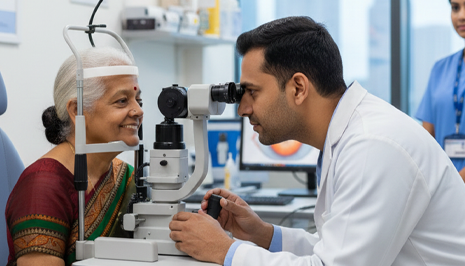
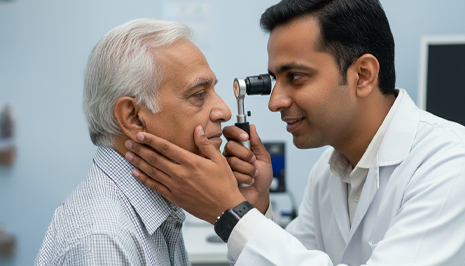
At ASG Eye Hospital, retina and infection specialists perform urgent eye evaluations to diagnose endophthalmitis and identify the infecting organism. Diagnostic evaluation may include:
- Comprehensive eye examination
- Slit lamp examination
- Retinal evaluation
- Ocular ultrasound (B-scan)
- Vitreous or aqueous fluid sampling
- Microbiological cultures
- Blood investigations
- Imaging studies if required
Laboratory testing helps identify bacterial or fungal organisms and guides targeted treatment.
Emergency Treatment Options for Endophthalmitis
Intravitreal Antibiotic Injections
Antibiotics or antifungal medications are injected directly into the eye to rapidly control infection.
Vitrectomy Surgery
In severe cases, vitrectomy surgery may be required to remove infected vitreous material and reduce inflammation. The procedure also allows better delivery of medications inside the eye.
Topical & Oral Medications
Patients may receive antibiotic eye drops, oral medications, or intravenous treatment depending on infection severity.
Corticosteroid Therapy
Steroids may occasionally be used under specialist supervision to reduce inflammation after infection control.
Hospital-Based Monitoring
Severe infections often require emergency hospitalization and close retinal monitoring.
Recovery After Endophthalmitis
Recovery depends on:
- Severity of infection
- Speed of diagnosis
- Type of organism
- Retinal involvement
- Promptness of treatment
Some patients recover useful vision, while others may continue to experience permanent visual damage despite treatment.
Community experiences shared online also highlight that outcomes can vary greatly — some patients regain functional vision, while severe infections may result in permanent visual impairment despite surgery and injections.
How to Reduce the Risk of Endophthalmitis
Helpful preventive measures include:
- Following post-surgery eye care instructions carefully
- Maintaining proper eye hygiene
- Avoiding eye rubbing after surgery
- Wearing protective eyewear during risky activities
- Attending scheduled post-operative follow-ups
- Reporting pain or vision loss immediately
Protective eye care significantly reduces infection risk after surgery or trauma.
When Should You Seek Emergency Eye Care?
Seek immediate medical attention if you develop:
- Severe eye pain after surgery
- Sudden vision loss
- Increasing redness
- Eye swelling
- Sensitivity to light
- Pus or discharge from the eye
- Rapid worsening of vision
Endophthalmitis is a medical emergency and should never be ignored.
Why Choose ASG Eye Hospital for Endophthalmitis Treatment?