
Eye Infections & Inflammation: Protecting Your Eye Health
Eye infections and inflammation cause redness, pain, and irritation. Early screening and expert treatment can help protect vision and eye health.
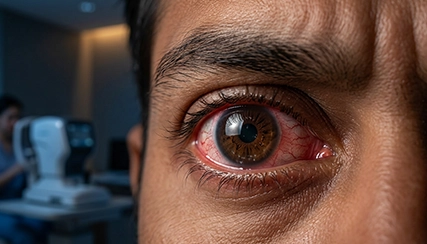
Uveitis
Uveitis is a serious inflammatory eye condition that affects the uvea the middle layer of the eye that includes the iris, ciliary body, and choroid.
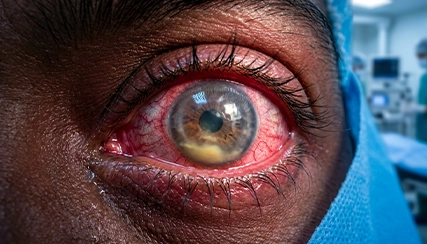
Endophthalmitis
Endophthalmitis is a rare but serious eye infection and inflammation that affects the internal fluids and tissues of the eye.
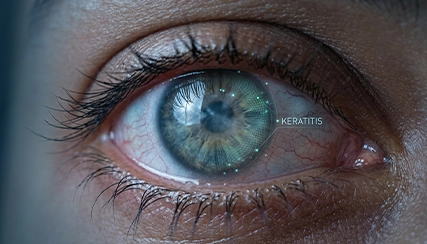
Keratitis
Keratitis is an inflammatory condition affecting the cornea — the clear, dome-shaped front surface of the eye that helps focus light for clear vision.
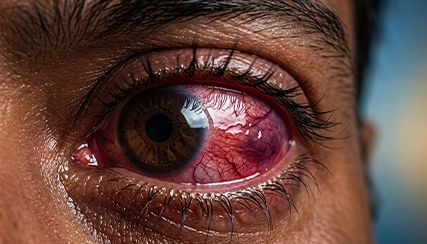
Scleritis
Scleritis is a serious inflammatory eye condition that affects the sclera the white outer protective layer of the eye.
Not sure which
treatment is right for you?
Book an appointment and let our specialists guide you.

Vision for All.
Not Just for Some
ASG is growing its network with 200 Vision Centres, delivering affordable eye care to over 4 million people.
Or

Eye Infections & Inflammation – Symptoms, Causes & Treatment at ASG Eye Hospital
Eye infections and inflammatory eye conditions are common eye problems that can affect different parts of the eye, including the eyelids, conjunctiva, cornea, retina, and internal eye structures. These conditions may develop due to bacteria, viruses, fungi, allergies, autoimmune disorders, or environmental irritants. Symptoms can range from mild redness and irritation to severe pain, blurred vision, and vision-threatening complications. Early diagnosis and timely treatment are important to prevent long-term eye damage and preserve healthy vision. At ASG Eye Hospital, experienced ophthalmologists provide advanced diagnosis and treatment for a wide range of eye infections and inflammatory disorders using modern diagnostic technology and specialized eye care.
What are Eye Infections & Inflammatory Eye Disorders?
Eye infections occur when harmful microorganisms such as bacteria, viruses, fungi, or parasites infect the eye or surrounding tissues. Inflammation refers to swelling and irritation caused by infection, immune reactions, allergies, or autoimmune disorders.
These conditions may affect different parts of the eye and can vary from mild and temporary to severe and sight-threatening.
Common Types of Eye Infections & Inflammatory Conditions
Conjunctivitis (Pink Eye)
Conjunctivitis is inflammation of the conjunctiva — the thin membrane covering the white part of the eye. It may be caused by viral, bacterial, or allergic factors. (aao.org)
Keratitis
Keratitis is inflammation or infection of the cornea that may occur due to infections, contact lens misuse, or eye injury.
Blepharitis
Blepharitis causes inflammation of the eyelids, often resulting in itching, redness, crusting, and irritation.
Uveitis
Uveitis refers to inflammation of the uveal tract inside the eye and may be associated with autoimmune or infectious conditions.
Stye (Hordeolum)
A stye is a painful eyelid infection caused by blocked oil glands near the eyelashes.
Chalazion
Chalazion develops due to blockage and inflammation of eyelid oil glands.
Dacryocystitis
Dacryocystitis is infection and inflammation of the tear drainage sac.
Endophthalmitis
Endophthalmitis is a severe internal eye infection that requires emergency medical treatment to prevent blindness. (mayoclinic.org)
Symptoms of Eye Infections & Inflammation
Common symptoms may include:
- Eye redness
- Eye pain or discomfort
- Swelling around the eyes
- Watery eyes
- Eye discharge
- Itching or burning sensation
- Blurred vision
- Light sensitivity
- Crusting of eyelids
- Foreign body sensation
- Excessive tearing
- Reduced vision
- Fever in severe infections
Symptoms vary depending on the affected part of the eye and the underlying cause.
Causes of Eye Infections & Inflammation
Eye infections and inflammatory disorders may develop due to:
Bacterial Infections
Common bacterial infections may affect the conjunctiva, eyelids, cornea, or internal eye structures.
Viral Infections
Viruses such as adenovirus or herpes simplex virus can cause conjunctivitis and keratitis.
Fungal Infections
Fungal eye infections are less common but may occur after eye trauma or contaminated contact lens use.
Allergic Reactions
Allergens such as dust, pollen, and pollution may trigger allergic eye inflammation.
Autoimmune Disorders
Conditions such as rheumatoid arthritis or lupus may cause uveitis and other inflammatory eye disorders.
Contact Lens Misuse
Improper lens hygiene significantly increases the risk of eye infections. (cdc.gov)
Eye Injury or Trauma
Eye injuries can allow microorganisms to enter and infect the eye.
Risk Factors for Eye Infections
Factors that may increase risk include:
- Poor contact lens hygiene
- Sharing eye cosmetics
- Weakened immune system
- Diabetes
- Eye injury
- Recent eye surgery
- Exposure to infected individuals
- Poor eyelid hygiene
- Environmental pollution
Complications of Untreated Eye Infections
At ASG Eye Hospital, specialists perform detailed eye evaluations to identify the type and severity of infection or inflammation. Diagnostic tests may include:
- Comprehensive eye examination
- Slit lamp examination
- Visual acuity testing
- Corneal examination
- Tear film assessment
- Eye discharge culture
- Retinal evaluation
- Intraocular pressure measurement
Advanced diagnostic systems help specialists accurately identify infectious organisms and inflammatory conditions.
Diagnosis of Neuro-Ophthalmology Disorders
At ASG Eye Hospital, neuro-ophthalmology specialists perform advanced diagnostic evaluations to identify the cause of vision and neurological symptoms. Diagnostic tests may include:
- Comprehensive eye examination
- Visual field testing
- Optic nerve evaluation
- Retinal examination
- Eye movement assessment
- Pupil examination
- OCT (Optical Coherence Tomography)
- MRI or CT brain imaging
- Blood investigations
- Neurological assessment
Modern neuro-ophthalmic imaging and diagnostic systems help specialists accurately diagnose complex conditions.
Treatment Options for Eye Infections & Inflammation
Antibiotic Eye Drops & Medications
Bacterial infections are commonly treated with antibiotic eye drops, ointments, or oral medications.
Antiviral Therapy
Viral eye infections such as herpes-related keratitis may require antiviral medications.
Anti-inflammatory Medications
Steroid or non-steroidal medications may help control inflammation under specialist supervision.
Lubricating Eye Drops
Artificial tears may reduce irritation and dryness.
Warm Compresses & Eyelid Hygiene
Warm compresses and proper eyelid cleaning may help conditions such as blepharitis and stye.
Surgical Treatment
Severe infections or blocked tear drainage systems may occasionally require surgical intervention.
Contact Lens Discontinuation
Patients with eye infections should temporarily avoid contact lens use until recovery.
Tips to Prevent Eye Infections
Helpful preventive measures include:
- Wash hands regularly
- Avoid touching or rubbing the eyes
- Maintain proper contact lens hygiene
- Avoid sharing towels or eye cosmetics
- Protect eyes from dust and pollution
- Remove eye makeup before sleeping
- Attend regular eye check-ups
When Should You Consult an Eye Specialist?
Seek immediate medical attention if you experience:
- Severe eye pain
- Sudden blurred vision
- Eye injury
- Light sensitivity
- Thick eye discharge
- Swelling around the eyes
- Persistent redness
- Sudden vision loss
Prompt diagnosis can help prevent permanent eye damage.
Why Choose ASG Eye Hospital for Eye Infection Treatment?
- Experienced ophthalmologists and infection specialists
- Advanced diagnostic and imaging technology
- Comprehensive eye infection management
- Modern treatment facilities
- Personalized patient care
- Emergency eye care services
- Trusted eye hospital network across India
ASG Eye Hospital provides advanced diagnosis and treatment for eye infections and inflammatory disorders with a focus on preserving vision, controlling infection, and improving eye health.
Clear Answers for Better Vision
Are eye infections contagious?
Some eye infections, especially viral and bacterial conjunctivitis, can spread through direct contact.
Can eye infections damage vision?
Yes, untreated infections can damage the cornea or internal eye structures and may lead to vision loss.
Is it safe to wear contact lenses during an eye infection?
No, contact lenses should usually be avoided until the infection fully resolves.
When should I seek emergency eye care?
You should seek urgent medical attention for severe pain, sudden vision loss, corneal injury, or severe redness with discharge.
Can eye inflammation occur without infection?
Yes, allergies, autoimmune disorders, and environmental irritants can also cause eye inflammation.