Conjunctival Tumor – Symptoms, Causes & Treatment at ASG Eye Hospital
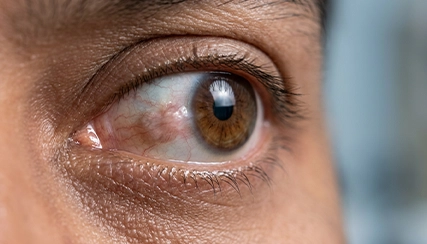
A conjunctival tumor is an abnormal growth that develops on the conjunctiva — the thin, transparent membrane that covers the white part of the eye and the inner surface of the eyelids. These tumors may be benign (non-cancerous) or malignant (cancerous). While many conjunctival tumors are harmless and slow-growing, some can become aggressive and threaten vision or spread to surrounding tissues if not diagnosed early. Prompt evaluation by an eye specialist is important for accurate diagnosis and effective treatment. At ASG Eye Hospital, experienced ocular oncology specialists provide advanced diagnosis and treatment for conjunctival tumors using modern imaging, biopsy techniques, laser therapy, and surgical management.
Types of Conjunctival Tumors
Benign Conjunctival Tumors
These are non-cancerous and usually slow-growing:
Premalignant Lesions
These lesions may develop into cancer if untreated:
- Primary acquired melanosis (PAM)
- Dysplastic lesions of the conjunctiva
Malignant Conjunctival Tumors (Eye Cancer)
These are serious tumors that require urgent treatment:
Symptoms of Conjunctival Tumor
Many conjunctival tumors do not cause symptoms in early stages and are often detected during routine eye examinations. When symptoms occur, they may include:
Causes of Conjunctival Tumors
The exact cause depends on the type of tumor, but common risk factors include:
- Excess UV (sun) exposure
- Human papillomavirus (HPV) infection (in some cases)
- Immunosuppression
- Chronic irritation or inflammation
- Genetic changes in conjunctival cells
- Long-term sun damage (especially in fair-skinned individuals)
Risk Factors
You may be at higher risk if you have:
- High sun exposure without eye protection
- Light-colored eyes or fair skin
- History of skin cancer
- Weakened immune system
- Chronic eye irritation or infections
Complications of Untreated Conjunctival Tumors
If not treated appropriately, conjunctival tumors may lead to:
- Corneal invasion and vision problems
- Local tissue destruction
- Recurrence after removal
- Spread to surrounding eye structures
- Metastasis in malignant cases (rare but serious)
- Cosmetic deformity of the eye
Diagnosis of Conjunctival Tumor
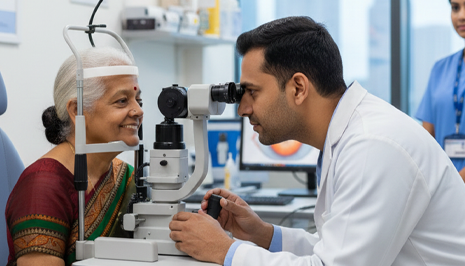
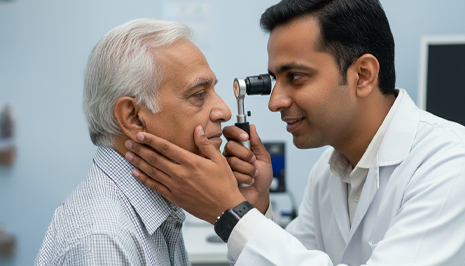
At ASG Eye Hospital, specialists use advanced diagnostic methods such as:
- Slit lamp examination
- High-resolution ocular imaging
- Fundus and surface photography
- Optical coherence tomography (OCT)
- Ultrasound biomicroscopy
- Biopsy of the lesion (if needed)
- Histopathological analysis
A biopsy is often the most definitive method to confirm whether a tumor is benign or malignant.
Treatment Options for Conjunctival Tumors
Treatment depends on the type, size, and location of the tumor.
Observation & Monitoring
Small, benign tumors may only require regular monitoring.
Surgical Removal
Most symptomatic or suspicious tumors are surgically excised.
Cryotherapy
Freezing treatment may be used to destroy remaining abnormal cells after surgery.
Topical Chemotherapy
Medicated eye drops may be used for certain surface cancers.
Radiation Therapy
Used in selected malignant or recurrent cases.
Laser Treatment
Laser therapy may help in small or early lesions.
When Should You Seek Immediate Medical Attention?
Consult an eye specialist urgently if you notice:
- A growing or changing eye lesion
- Persistent redness or irritation
- Pigmented spot increasing in size
- Vision changes or distortion
- Bleeding or discomfort in the eye
Early detection is the key to preventing complications and preserving vision.
Why Choose ASG Eye Hospital?
- Experienced ocular oncology specialists
- Advanced diagnostic imaging systems
- Modern surgical and laser treatment options
- Expertise in benign and malignant eye tumors
- Multidisciplinary cancer care approach
- Long-term follow-up and monitoring
- Trusted eye care network across India
ASG Eye Hospital provides comprehensive care for conjunctival tumors with a focus on early diagnosis, precise treatment, and vision preservation.