
Eye Tumors & Cancers: Protecting Vision with Care
Eye tumors and cancers can cause vision loss and eye damage. Early screening and expert care are essential to protect and restore eye health.
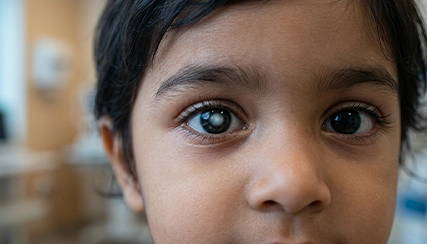
Retinoblastoma
Retinoblastoma is a rare but serious eye cancer that develops in the retina — the light-sensitive tissue at the back of the eye responsible for vision. It primarily affects infants and young children.
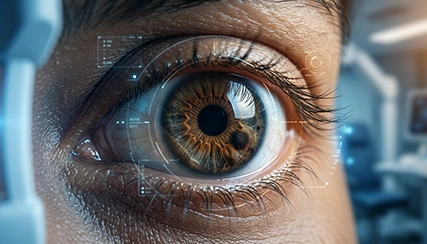
Ocular Melanoma
Ocular melanoma (also known as eye melanoma or intraocular melanoma) is a rare but serious type of eye cancer that develops in the melanocytes — the pigment-producing cells of the eye.
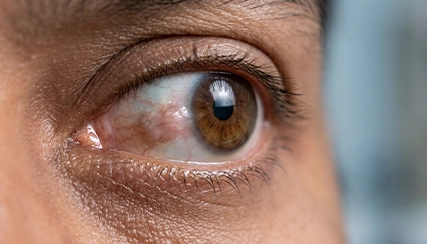
Conjunctival Tumor
A conjunctival tumor is an abnormal growth that develops on the conjunctiva — the thin, transparent membrane that covers the white part of the eye and the inner surface of the eyelids.
Not sure which
treatment is right for you?
Book an appointment and let our specialists guide you.

Vision for All.
Not Just for Some
ASG is growing its network with 200 Vision Centres, delivering affordable eye care to over 4 million people.
Or

Eye Tumors & Eye Cancer – Symptoms, Causes & Treatment at ASG Eye Hospital
Eye tumors are abnormal growths that develop inside the eye or around nearby structures such as the eyelids, retina, conjunctiva, orbit, or tear glands. These tumors may be benign (non-cancerous) or malignant (cancerous). While some eye tumors grow slowly without causing symptoms, others can threaten vision and spread to other parts of the body if left untreated. Early diagnosis and timely treatment are extremely important for preserving vision and protecting overall health. At ASG Eye Hospital, experienced ophthalmologists and ocular specialists provide advanced diagnosis and treatment for eye tumors and ocular cancers using modern imaging, laser therapy, radiation treatment, and surgical techniques.
What are Eye Tumors?
Eye tumors, also called ocular tumors, are abnormal masses or growths that can develop in or around the eye. Some tumors remain non-cancerous and may not spread, while malignant tumors can invade surrounding tissues and spread to other organs.
Eye tumors may occur in:
- Retina
- Uvea
- Iris
- Eyelids
- Conjunctiva
- Orbit (eye socket)
- Lacrimal (tear) glands
- Optic nerve
Some tumors originate inside the eye, while others spread to the eye from cancers elsewhere in the body.
Types of Eye Tumors & Eye Cancers
Benign Eye Tumors
Benign tumors are non-cancerous and usually grow slowly. Common benign eye tumors include:
- Choroidal nevus
- Hemangioma
- Dermoid cyst
- Papilloma
- Conjunctival nevus
Although benign, some tumors may still affect vision depending on their location.
Malignant Eye Tumors (Eye Cancer)
Cancerous eye tumors can threaten vision and may spread to other parts of the body.
Uveal Melanoma
The most common primary eye cancer in adults, affecting the iris, ciliary body, or choroid.
Retinoblastoma
A rare childhood eye cancer affecting the retina, commonly occurring in children under five years of age.
Ocular Lymphoma
A rare lymphoma affecting structures inside the eye.
Conjunctival Tumors
Tumors affecting the surface membrane of the eye, including melanomas and squamous cell carcinoma.
Eyelid Tumors
Skin cancers such as basal cell carcinoma, sebaceous carcinoma, and squamous cell carcinoma may affect the eyelids.
Orbital Tumors
Tumors affecting the tissues and muscles surrounding the eyeball.
Symptoms of Eye Tumors
Symptoms depend on the size, type, and location of the tumor. Common symptoms may include:
- Blurred vision
- Vision loss
- Floaters or flashes of light
- Dark spots in vision
- Eye pain
- Eye redness
- Bulging of the eye
- Swelling around the eye
- Changes in pupil shape
- Visible eye mass or lump
- Double vision
- Restricted eye movement
- White reflex in the pupil (especially in children)
Some eye tumors may not cause symptoms in early stages and are detected during routine eye examinations.
Causes of Eye Tumors
The exact cause of many eye tumors remains unclear, but several factors may increase risk.
Genetic Mutations
Abnormal changes in eye cells may trigger uncontrolled cell growth and tumor formation.
Family History
Inherited genetic conditions may increase the risk of tumors such as retinoblastoma.
UV Exposure
Long-term ultraviolet (UV) exposure may increase the risk of certain ocular melanomas.
Systemic Cancers
Some cancers from the breast, lung, prostate, kidney, or gastrointestinal tract may spread to the eye.
Immune System Disorders
Weak immunity may increase the risk of ocular lymphoma and other cancers.
Risk Factors for Eye Tumors
Factors increasing risk include:
- Increasing age
- Family history of eye cancer
- Excessive UV exposure
- Fair skin or light-colored eyes
- Smoking
- Weakened immune system
- Previous cancer history
- Genetic syndromes
Complications of Untreated Eye Tumors
Without timely treatment, eye tumors may lead to:
- Permanent vision loss
- Retinal detachment
- Optic nerve damage
- Glaucoma
- Eye disfigurement
- Spread of cancer to other organs
- Loss of the eye in advanced cases
Early diagnosis significantly improves treatment outcomes.
Diagnosis of Eye Tumors
At ASG Eye Hospital, specialists perform detailed eye evaluations to diagnose eye tumors and determine their severity. Diagnostic tests may include:
- Comprehensive eye examination
- Dilated retinal examination
- Slit lamp examination
- Ocular ultrasound
- Fundus photography
- Optical Coherence Tomography (OCT)
- Fluorescein angiography
- MRI or CT scan
- Biopsy in selected cases
Advanced ocular imaging technology helps specialists accurately identify and monitor eye tumors.
Treatment Options for Eye Tumors
Treatment depends on the tumor type, size, location, and whether it is cancerous.
Observation & Monitoring
Small benign tumors may only require regular follow-up examinations.
Laser Therapy
Laser treatment may help destroy small tumors or abnormal blood vessels.
Radiation Therapy
Radiation techniques such as plaque brachytherapy are commonly used for ocular melanoma.
Chemotherapy
Chemotherapy may be used for retinoblastoma, lymphoma, or metastatic cancers.
Surgical Removal
Some tumors may require surgical excision to preserve vision and prevent spread.
Vitreoretinal Surgery
Advanced retinal surgeries may help manage tumors involving deeper eye structures.
Eye Removal Surgery (Enucleation)
In advanced cancer cases, removal of the eye may occasionally be necessary to prevent cancer spread.
Eye Tumors in Children
Retinoblastoma is the most common childhood eye cancer. Early signs may include:
- White reflection in photographs
- Squint eye
- Poor vision
- Eye redness
- Eye swelling
Early pediatric eye examination is extremely important for timely diagnosis and treatment.
When Should You Consult an Eye Specialist?
Seek immediate medical attention if you notice:
- Sudden vision changes
- Eye bulging
- White pupil reflex in children
- Persistent eye pain
- Floaters or flashes
- Visible eye growth
- Double vision
- Unexplained redness or swelling
Regular eye check-ups help detect tumors before symptoms become severe.
Why Choose ASG Eye Hospital for Eye Tumor Treatment?
- Experienced ocular specialists and retina experts
- Advanced ocular imaging and diagnostics
- Modern laser and retinal treatment facilities
- Personalized treatment planning
- Comprehensive pediatric and adult eye cancer care
- Multidisciplinary approach with advanced technology
- Trusted eye hospital network across India
ASG Eye Hospital provides advanced diagnosis and treatment for eye tumors and ocular cancers with a focus on preserving vision, detecting disease early, and improving long-term patient outcomes.
Clear Answers for Better Vision
Are all eye tumors cancerous?
No, many eye tumors are benign and non-cancerous, although some may still affect vision.
What is the most common eye cancer in adults?
Uveal melanoma is the most common primary eye cancer in adults.
Can eye cancer spread to other organs?
Yes, malignant eye tumors can spread to organs such as the liver, lungs, or brain if untreated.
What are the early signs of retinoblastoma?
A white pupil reflex, squint eye, or vision problems in children may indicate retinoblastoma.
When should I get an eye tumor checked?
Any persistent vision changes, eye swelling, eye lump, or abnormal pupil appearance should be evaluated by an eye specialist immediately.