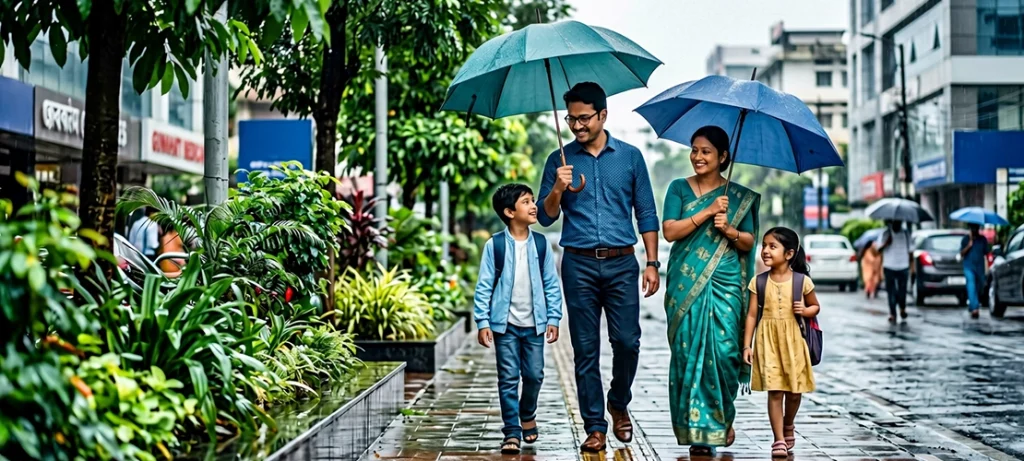
Guwahati’s summer heat gives way to the monsoon season and lush greenery; families should protect their good vision during this period and ensure that they maintain eye hygiene, because the rain can affect it. If people develop an eye infection after the onset of the rains, they will seek an eye infection treatment Guwahati, but it is much easier to prevent than to treat the eye problems. Many simple steps can be taken to promote the comfort of the eyes in the event of rain or wet weather.
How Can Families Prevent Eye Infections During the Monsoon?
Families can prevent eye infections during the monsoon by washing hands regularly, avoiding eye rubbing, keeping personal items clean, maintaining a hygienic home environment, and paying attention to early signs of eye irritation. Good eye hygiene and timely medical advice help protect eye health throughout the rainy season.
Why Eye Care Is Important During Monsoon Season
Monsoon months can cause excessive humidity and can breed bacteria. Since all children have to play outside and rush, all elders have to make sure all their chores are being taken care of in the crowded and fast-moving environment. People are bound to come in contact with many different surfaces, hence risking exposure to disease-breeding bacteria and germs. Washing one’s hands and immediately rubbing one’s eyes without washing hands properly can cause such serious infections due to contact with dirt and grime. An eye doctor recommends using advanced solutions such as medicated eye drops and protective eyewear to safeguard vision during the monsoon. Hence taking adequate precautions to protect eyes during monsoon using all hygienic measures of eye care and awareness, to stay comfortable till weather passes away, is crucial for everyone.
Instil a Family Habit of Proper Hand Washing
An eye doctor always suggests that by washing your hands regularly, you demonstrate to your children how to take care of themselves and create a good eye-care habit for yourself. This is especially important for those who wear an eye Lense, as clean hands prevent infections and irritation. When you also make an effort to wash your hands before you touch your face, you are also establishing a healthy habit of your own with this eye-care habit and helping children learn good habits on their own bodies as well. For parents, one of the most helpful habits you can give your child for staying healthy is teaching them to wash their hands immediately.
Essential Monsoon Eye Care Tips for Families in Guwahati
| Prevention Tip | How It Protects Your Eyes |
|---|---|
| Wash Hands Frequently | Reduces the spread of germs and bacteria |
| Avoid Rubbing Eyes | Prevents dirt and infections from entering the eyes |
| Keep Personal Items Clean | Minimizes exposure to contaminated surfaces |
| Use Clean Towels and Handkerchiefs | Reduces the risk of cross-infection |
| Maintain a Fresh Home Environment | Helps limit dampness and bacterial growth |
| Watch for Early Symptoms | Allows timely action if irritation or infection develops |
| Practice Good Eye Hygiene | Keeps eyes comfortable during humid weather |
| Seek Medical Advice When Needed | Helps prevent minor issues from becoming serious |
Teach Children Not to Rub Their Eyes
In many cases, kids, especially when tired from long afternoons, return from school or run around outside, are fatigued at this time of year. Many times, this type of situation can occur at any point during rainy periods, when the kids will have gotten debris on the surface of their eyes while attempting to alleviate any irritation, using their hands in an attempt to alleviate the itching associated with rubbing their eyes. An eye specialist would recommend teaching children to wash their hands first and then use a clean hanky to wipe their faces; however, parents also need to continue developing a habit of having their kids wash their hands before using any handkerchiefs.
Pay Attention to School Bags and Daily Items
Every day, schoolbags, bottles of water, tiffin, and notebooks travel around to a lot of places. More often during the rainy days, the objects get filled with dirt. Regular cleaning of them makes them germ-free. Germs from these surfaces can easily transfer to the eyes when kids touch their faces, making timely eye treatment necessary if irritation or infection develops. Once a week, at least, parents should invest time to clean up all these widely used surfaces. It not only makes kids clean and organised but also an interactive session with them.
Keep Homes Fresh During Wet Weather
During heavy rain, many homes stay closed up for longer, making rooms feel damp. When the time is convenient, tidiness is good, open the doors and windows. Regular washing of the bedsheets and pillowcases, furniture and curtains would also help to a greater extent to keep the surroundings hygienic. Such a house keeps eye health maintained, hygienic and comfortable, especially during the monsoon season.
Notice Early Changes in Eye Comfort
Families usually sense when something feels off. Paying attention to eye comfort during the monsoon season is kind of important, really. Look out for watering or slight irritation. If parents spot any of these signs, they should inquire how their children’s eyes feel instead of simply accepting that it is nothing. In the afternoon or after a child has spent a whole day outside in the weather, they might complain of stinging eyes, and visiting an eye hospital at the right time can help address such concerns before they worsen. This makes it easier to make good decisions in the family.
In conclusion, the rainy season is nice in Guwahati; children get time with the whole family, with all school-related activities being relaxed and home-cooked food which can also be a cozy event with everyone inside. There is no need to have a big routine in eye care. Just wash your hands, use your own towel, and keep stuff organised. When daily habits are taken care of, eyes stay comfortable. Lots of people also search for information on eye allergy Guwahati and also look for top hospitals like ASG Eye Hospital. By doing this and being mindful, families can relax through the whole monsoon. Easy precautions mean everyone feels comfortable and secure during the rains.
FAQs
1. Why are eye infections more common during the monsoon?
High humidity, damp conditions, and increased exposure to bacteria and germs during the rainy season can increase the risk of eye infections.
2. How can I protect my eyes during the monsoon?
Maintain proper hand hygiene, avoid rubbing your eyes, use clean towels, and keep personal belongings clean and dry.
3. Why should children avoid rubbing their eyes?
Dirty hands can transfer bacteria, viruses, and allergens into the eyes, increasing the risk of irritation and infection.
4. What are the early signs of an eye infection?
Common symptoms include redness, watering, itching, irritation, swelling, discharge, and discomfort in the eyes.
5. Can sharing towels spread eye infections?
Yes. Sharing towels, handkerchiefs, or personal items may spread germs that can cause eye infections.
6. How can families maintain eye hygiene during the rainy season?
Regular hand washing, cleaning frequently touched items, and keeping living spaces clean and ventilated are effective preventive measures.
7. When should I visit an eye specialist?
Consult an eye specialist if symptoms such as redness, pain, discharge, swelling, or blurred vision persist or worsen.
8. Can monsoon weather worsen eye allergies?
Yes. Increased moisture, pollen, mold, and environmental allergens during the rainy season may trigger eye allergies in sensitive individuals.