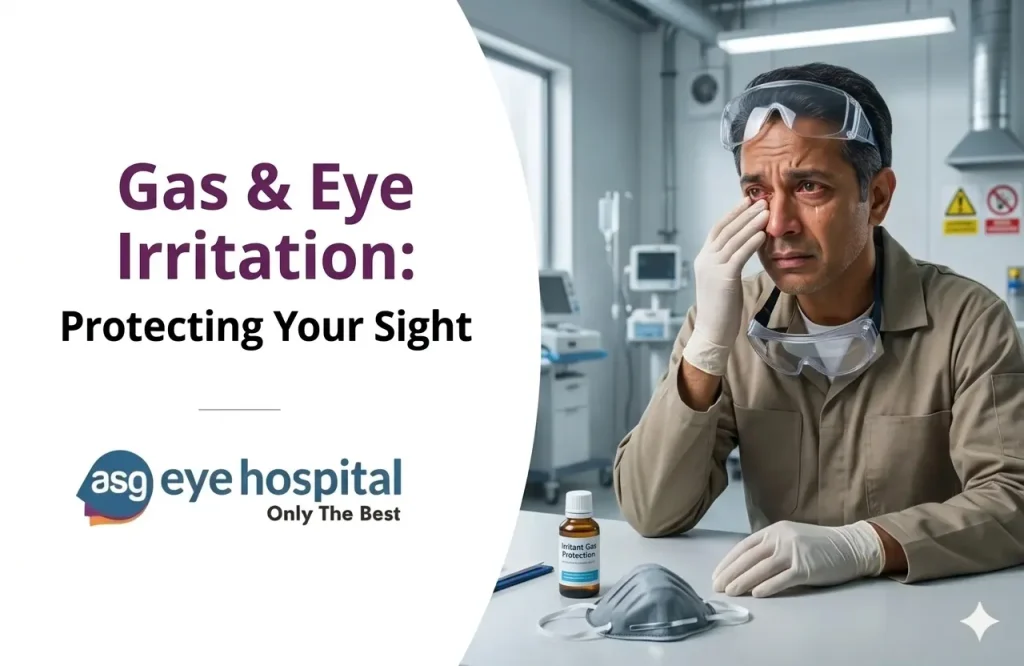
People in crowded cities, industrial plants or rooms that are poorly ventilated are susceptible to eye irritation in no time at all if the harmful gaseous compounds are present. A large number of people complain of redness, itching, watering or discomfort, but are not aware of the cause of these symptoms. In many instances, exposure to gas causes eye irritation which can be a serious issue since the eyes are very susceptible to smoke, pollution and dust particles in the air.
Can Gas and Pollution Irritate the Eyes?
Yes, exposure to smoke, gas leaks, pollution, and chemical fumes can irritate the eyes by damaging the natural tear film. Common symptoms include redness, burning, itching, watering, dryness, and blurred vision. Early eye care, proper ventilation, protective eyewear, and reducing exposure to irritants can help protect eye health and prevent long-term discomfort.
How Harmful Gases Affect the Eyes
The eyes have sensitive tissues which are quickly affected by irritants in the surroundings. Some of the more common are smoke, exhaust fumes, chemical fumes, household cleaning products and cooking gas leaks. A major causes of gas exposure eye irritation is the imbalance that is created in the tear film as a result of the airborne toxins.
After the eyes have been disturbed by the natural moisture layer, they might begin to burn, itch, water or feel dry. Sometimes blurred vision, swelling and light sensitivity may also occur. Iritation, if it continues for a long time, can make the chances of infections and long term discomfort.
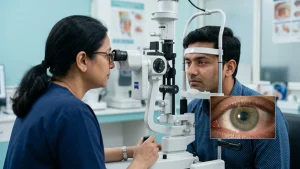
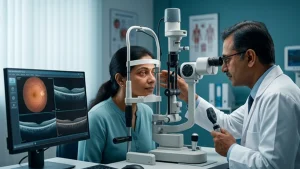
One thing that’s common among professionals at an Eye Hospital is that they’re often heard saying that individuals tend to overlook symptoms of their eye condition till the time it becomes difficult to manage. Earlier consultation with an Eye Doctor can help to identify the problem and prevent the complications.
Gas-Related Eye Irritation Overview
| Cause | Possible Eye Symptoms |
|---|---|
| Smoke Exposure | Burning, redness, watering |
| Chemical Fumes | Irritation, swelling, blurred vision |
| Gas Leaks | Eye discomfort, dryness |
| Air Pollution | Itching, eye fatigue |
| Poor Ventilation | Chronic irritation, dryness |
| Dust & Particles | Redness, foreign body sensation |
| Contact Lens Use | Increased irritation risk |
| Industrial Chemicals | Severe eye burning |
| Long Exposure to Pollutants | Tear film damage |
| Hot & Humid Weather | Increased sensitivity |
Understanding the Causes of Gas Eye Problems
To keep your eyes healthy, it’s vital to be aware of the reasons for eye issues with gas. Exposure to harmful gases can occur at the home, office, road or industrial workplace. Today’s main causes of gas eye problems are caused by gas leaks from household appliances, smoke from traffic pollution and vapors from chemical cleaners.
Other contributing factors that have been associated with gas eye issues are the poor ventilation in the house. Irritants can be trapped in a room with poor air circulation, causing a constant discomfort. Airborne chemicals can also be found in the workplace setting at factories, laboratories and construction sites, and may have a detrimental impact on eyes.
Allergic reactions, symptoms of dry eye syndrome or sensitivity to contact lenses are likely to be more severe. With high pollution levels in many urban communities, eye burning due to gas is becoming more common, particularly when the weather is hot and humid.
Warning Signs That Should Never Be Ignored
The effects of a gas exposure can occur immediately or over time, depending on the amount of exposure. Symptoms typically consist of redness, tears, itching, swelling, blurred vision and eye-burning.
It is strongly advised to people that they not rub their eyes after being exposed as it may aggravate the irritation, according to doctors at an Eye Hospital. Rather, the eyes are frequently the first place that is washed gently with clean water. After few hours of discomfort, an Eye Doctor visit is required.
Eye irritation due to repeated exposures to gas may also make reading, driving or using screens uncomfortable. Eye hygiene and preventive measures is a special concern for people working in polluted areas.
Effective Remedies for Gas-Related Eye Irritation
Reducing exposure to other people’s smoke, gases, and pollution is the most important treatment approach. To ease dry eyes and get rid of irritation, fake tears and relaxing eye drops are frequently utilised. Cool clothes also help in reducing swelling and pain.
Eye protection from pollution is also highlighted by the use of protective eyewear where required in high risk environments. Smoke, dust and harmful particles can be stopped from coming into direct contact with the eyes by wearing safety glasses.
Proper air circulation inside the house is another remedy. New air reduces the number of irritants in the air and helps maintain healthy eyes. People with burning eye from gas should not self treat, and should not be self medicated if the symptoms worsen.
Eye Hospital doctors frequently advise that knowledge of the irritating factors can enable individuals to prevent the irritation from occurring in the first place, and thus prevent long-term eye problems.
Prevention Tips for Long-Term Eye Safety
Preventing vision loss is the most essential approach to protect it. One of the greatest methods to protect your eyes from pollution is to wear safety glasses when you’re in locations with a lot of chemicals or pollutants. In addition to the aforementioned, optimising internal air flow, limiting smoke exposure, and periodically cleaning air filters may all help lessen the probability of discomfort.
Workplace safety guidelines should be rigorously observed to by any employee who comes into contact with toxins. Maintaining a suitable degree of dampness in the eyes and avoiding harmful air contact can help maintain them lovely all day. In order to notice probable discomfort before it develops into a significant issue, periodic eye checkups with an Eye Doctor are also crucial.
Because of the rise in smog and chemical contact, eye safety is more important than ever. Early diagnosis, proper protective care, and quick treatment can help people keep good eyesight and avoid long-term problems associated with gas-related eye pain.
FAQ Section
1. What causes gas-related eye irritation?
Gas-related eye irritation is commonly caused by smoke, pollution, chemical fumes, household gas leaks, and poor indoor ventilation.
2. Why do my eyes burn after gas exposure?
Harmful gases disturb the tear film and irritate sensitive eye tissues, causing burning, redness, and watering.
3. Can pollution damage eye health?
Yes. Long-term exposure to pollution and airborne irritants may worsen dryness, allergies, infections, and eye discomfort.
4. What are common symptoms of gas eye irritation?
Symptoms include redness, itching, watering, dryness, swelling, blurred vision, and light sensitivity.
5. How can I relieve eye burning caused by gas?
Rinsing the eyes with clean water, using lubricating eye drops, avoiding rubbing, and resting the eyes may help relieve symptoms.
6. When should I visit an eye doctor?
Consult an eye doctor if symptoms last more than a few hours, worsen, or include severe pain or vision changes.
7. Can contact lenses worsen eye irritation from pollution?
Yes. Contact lenses may trap pollutants and irritants, making eye discomfort worse during exposure.
8. How can I protect my eyes from pollution and chemicals?
Wearing protective eyewear, improving ventilation, avoiding smoke exposure, and maintaining eye hygiene help reduce risk.