What is Conjunctivitis?
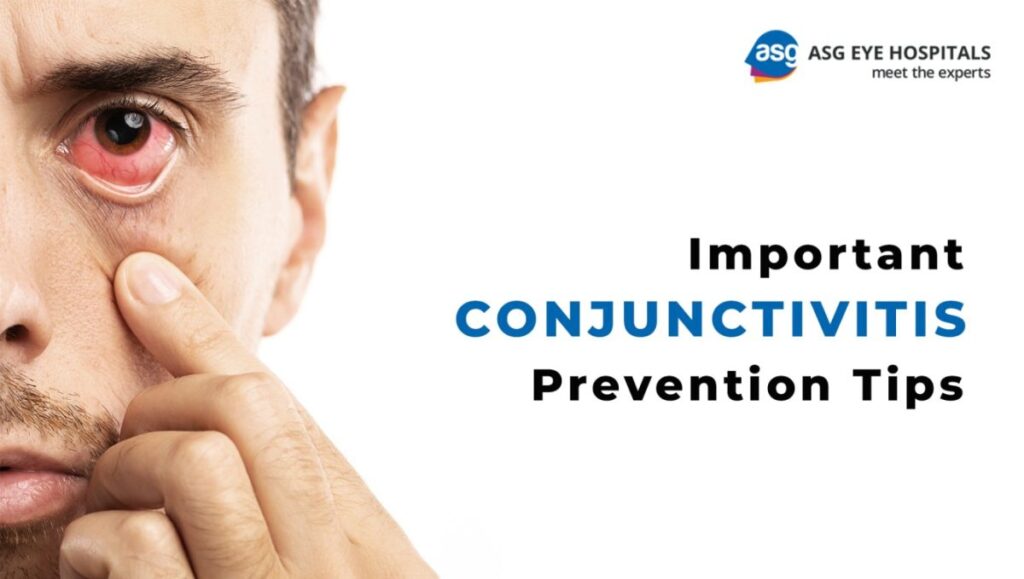
Conjunctivitis, commonly known as pink eye, is an inflammation of the conjunctiva—the thin transparent layer covering the white part of the eye. It can be caused by viruses, bacteria, or allergens, leading to redness, itching, irritation, and discharge. While it is usually mild, it can spread quickly if proper precautions are not taken.
How Does Conjunctivitis Spread?
Understanding how conjunctivitis spreads is key to prevention. Viral and bacterial conjunctivitis are highly contagious and can spread through:
- Touching infected surfaces
- Direct contact with an infected person
- Sharing personal items like towels or makeup
- Poor hand hygiene
Allergic conjunctivitis, however, is not contagious.
Top Conjunctivitis Prevention Tips
Here are the most effective conjunctivitis prevention tips to protect your eyes:
1. Wash Your Hands Frequently
Clean hands are the first defense against infection. Wash your hands with soap and water regularly, especially before touching your eyes.
2. Avoid Touching Your Eyes
Touching your eyes with unclean hands can transfer bacteria and viruses, increasing the risk of infection.
3. Do Not Share Personal Items
Avoid sharing towels, pillows, eye makeup, or contact lenses, as these can easily spread infection.
4. Maintain Contact Lens Hygiene
If you wear contact lenses, clean and store them properly. Avoid wearing lenses longer than recommended.
5. Clean Frequently Touched Surfaces
Regularly disinfect items like mobile phones, keyboards, and door handles to reduce the spread of germs.
6. Avoid Close Contact with Infected Individuals
Stay away from people who have conjunctivitis to minimize exposure.
7. Use Clean Towels and Pillowcases
Change and wash them regularly to prevent contamination.
8. Protect Your Eyes from Allergens
Wear sunglasses outdoors and avoid dust, smoke, and pollen to reduce allergic conjunctivitis.
9. Practice Good Eye Hygiene
Remove makeup before sleeping and avoid expired eye products.
10. Boost Your Immunity
A healthy diet and proper hydration can help your body fight infections effectively.
Common Symptoms of Conjunctivitis
Recognizing symptoms early can help prevent spreading:
- Redness in the eyes
- Itching or burning sensation
- Watery or sticky discharge
- Swollen eyelids
- Sensitivity to light
If you notice these symptoms, take precautions immediately.
Is Conjunctivitis Contagious?
Yes, viral and bacterial conjunctivitis are contagious and can spread rapidly in schools, workplaces, and homes. Practicing good hygiene is essential to stop its spread. Allergic conjunctivitis, however, is not contagious.
When Should You See a Doctor?
Consult an eye specialist if:
- Symptoms worsen or persist for more than a few days
- You experience severe pain or vision problems
- There is excessive discharge
- You wear contact lenses and develop irritation
Early diagnosis helps prevent complications.
Daily Eye Care Tips to Prevent Infection
- Avoid rubbing your eyes
- Use clean tissues instead of cloth
- Wear protective eyewear in dusty environments
- Stay hydrated and maintain a balanced diet
Final Thoughts
Conjunctivitis is a common eye condition, but it can be effectively prevented with proper hygiene and awareness. By following these conjunctivitis prevention tips, you can protect your eyes and reduce the risk of infection. Maintaining good eye care habits is the key to healthy vision.
Frequently Asked Questions
How can I prevent conjunctivitis naturally?
Maintaining good hygiene, avoiding eye contact, and boosting immunity can help prevent conjunctivitis naturally.
How long does conjunctivitis last?
It usually lasts from a few days to two weeks, depending on the cause.
Can conjunctivitis spread through touch?
Yes, it can spread through direct contact or contaminated surfaces.
Is pink eye serious?
Most cases are mild, but medical attention may be needed if symptoms worsen.