The eyes are at work all the time, still many put off going for an exam until reading becomes a struggle, headaches increase or they see that everyday items are blurred. We see many a time that different common eye disorders present with either temporary discomfort or in the long term they affect the retina, lens, cornea or the optic nerve. By being aware of how various eye diseases present themselves it is better for the patient to seek care which in turn may help to avoid vision loss.
Vision disorders range in severity from a bad pair of glasses to that which affects the structures which enable sight. Eye conditions can present due to age, diabetes, infection, injury or hereditary risk. This guide goes over common symptoms and treatment but does not serve as a substitute for an ophthalmologist’s evaluation.
What Are Common Eye Disorders?
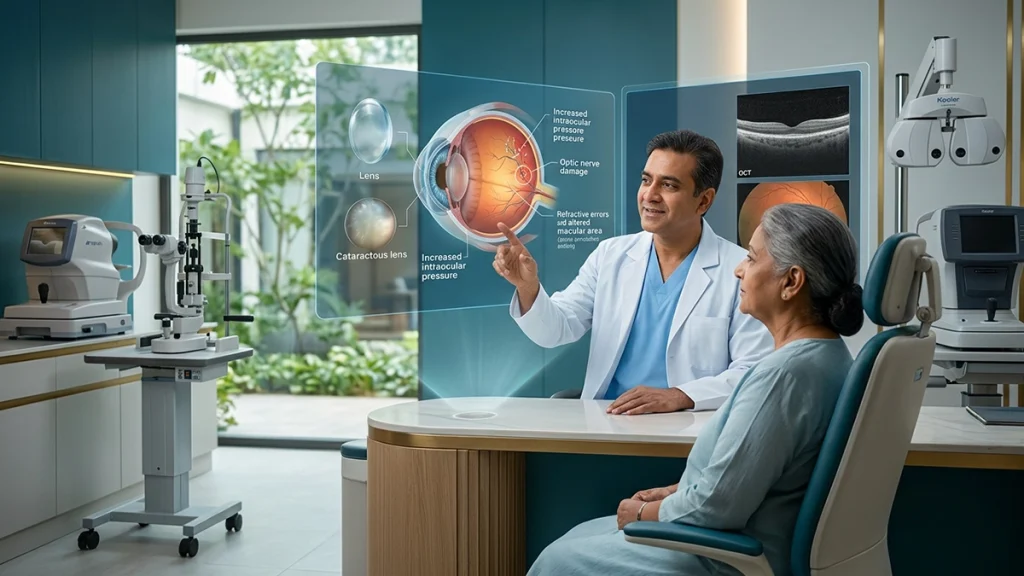
Common eye disorders which do present problems in clear vision, eye comfort, alignment, focusing or health of internal eye structures. Refractive errors are the most reported visual issues, also cataract, glaucoma, diabetic retinopathy and age related macular degeneration are key causes of visual impairment. Some eye diseases present silently which means a person may feel well when in fact damage is occurring.
Not all vision disorders result in total blindness. Myopia, hyperopia, astigmatism and presbyopia we may correct with glasses or contacts. As for glaucoma and diabetic retinopathy, often they present little in the way of early symptoms. That is why a full eye exam can identify issues which a routine reading chart test may not.
Types at a Glance
The following table summarises several frequently diagnosed problems, their usual symptoms and management after professional assessment.
| Disorder | Common symptoms | Usual management approach |
| Refractive error | Blurred near or distance vision, squinting, headache, eye strain | Spectacles, contact lenses or refractive surgery after suitability assessment |
| Cataract | Cloudy vision, glare, faded colours, difficulty seeing at night | Updated glasses in early stages; surgery when daily activities are affected |
| Glaucoma | Often no early symptoms; gradual side-vision loss | Pressure-lowering drops, laser treatment or surgery |
| Diabetic retinopathy | Initially silent; later blurring, floaters or reduced vision | Diabetes control, retinal injections, laser or surgery when indicated |
| Macular degeneration | Distorted lines, blurred central vision, difficulty recognising faces | Monitoring, selected supplements or injections for wet AMD |
| Dry eye | Burning, grittiness, redness, watering or fluctuating blur | Lubricants, lid care, lifestyle changes and prescription treatment |
| Conjunctivitis | Redness, discharge, watering, itching or irritation | Cause-specific hygiene, lubricants, anti-allergy treatment or prescribed medicines |
| Amblyopia or strabismus | Reduced vision in one eye, eye turn, poor depth perception | Glasses, patching, selected medicines or surgery |
Refractive Errors
Refractive errors common eye disorders which present when the eye’s shape interferes with light’s ability to focus properly on the retina. Myopia in which distance objects appear blurred, hyperopia that affects near focus, astigmatism which causes distorted vision, and presbyopia which begins to reduce near focus with age are included. Blurred vision is reported to be the most common issue for these issues. National Eye Institute reports.
Among all vision disorders refractive errors are the easiest to treat. We have spectacles or contact lenses which correct the focus issues and in certain cases we may do LASIK on selected adult patients after a detailed evaluation. These eye conditions also require a regular follow up as prescriptions may change.
Cataract
A cataract forms when the usually clear lens becomes opaque. It is an age-related common eye disorders, which does also include people that have had eye injury, previous surgery, use of steroids, smoke, and have had long term sun exposure. It’s also known to progress into blurry vision, glare, color desaturation, double vision in one eye and trouble with night time driving.
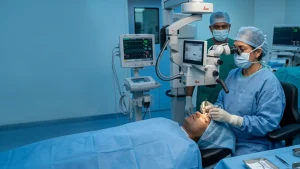
Unlike other retinal eye diseases which have no cure, in the case of cataract we replace the patient’s cloudy natural lens with an artificial intraocular lens. We discuss the surgery when symptoms report that they are interfering with reading, driving, work or independence.
Glaucoma
Glaucoma is a collection of eye diseases which affect the optic nerve. In open angle glaucoma which usually develops slowly there may not be early warnings, and peripheral vision may deteriorate before the patient is aware of any change. With acute angle closure glaucoma there is sudden pain, redness, blurred vision, halos, headache, nausea or vomiting which require immediate care.
Because glaucoma often goes undetected, we test eye pressure, the optic nerve, drainage angle and visual field. We also have vision disorders, lowering drops, laser, or surgery in treatment. That is all we can do to stop it in its tracks.
Diabetic Retinopathy
Diabetes causes diabetic retinopathy which is a result of damage to retinal blood vessels. Of all the common eye disorders that people with diabetes face this is very much at forefront as in the early stages may not present with any noticeable symptoms. As the disease progresses it may cause blurred vision, dark spots, floaters, night vision issues or sudden loss of sight. By way of prevention which in turn also slows progress of the disease is to manage blood glucose, blood pressure and cholesterol.
For diabetic related eye conditions we use dilated retinal exam and also when needed we do retinal imaging. We may do close monitoring, injections, laser or vitreoretinal surgery. Also reviews are very important even when vision is normal.
Age-Related Macular Degeneration
Age related macular degeneration affects the central retina which is used for reading, recognizing faces and seeing fine detail. In early dry AMD symptoms may be non-existent. As time goes on central vision may become blurred, colors less vivid and lines appear wavy. A sudden onset of distortion is a cause for prompt evaluation as it may be indicative of wet AMD.
AMD has different features from refractive vision disorders in that glasses do not reverse retinal damage. In some cases of intermediate to advanced dry AMD patients are put on certain dietary supplements, also wet AMD is often treated with injections which target abnormal vessel growth. These eye diseases require ongoing care as progression is variable.
Dry Eye Disease
Dry eye is a common eye disorders which we see in people that spend large amounts of time on screens, work in air conditioned settings, wear contact lenses or who have tear film instability. Symptoms are burning, grittiness, redness, excessive production of tears and blur which clears up temporarily upon blinking. Also some medications, diabetes, thyroid disease and autoimmune conditions play a role.
Treatment is to identify what is causing the tear film to be inadequate. We use lubricants, warm compresses, eyelid hygiene and breaking up of long computer use sessions. In some cases of persistent eye conditions we may require prescription treatment or procedures which better preserve tears.
Conjunctivitis and Other Red-Eye Problems
Conjunctivitis is an inflammation of the surface which covers the white portion and the inner side of the eyelids. Viral infections, bacterial, allergic and chemical irritation are a few of which can cause redness that is present; also treatment will vary. Itching is a feature of allergy, at the same time a discharge and a recent respiratory illness may point to infection. Pain in the eye, light sensitivity or diminished vision are signs of other eye diseases which may present like conjunctivitis do not write them off.
Many common eye disorders which affect the eye surface improve with cause related care and hygiene. It is advised that patients do not share towels, make up or eye drops and that contact lens wear be avoided during a red eye flare up which is active unless an eye doctor says it is fine. Antibiotic drops do not remedy viral or allergic conjunctivitis.
Amblyopia and Strabismus in Children
Amblyopia is that the brain gives a lesser attention to a weaker image from one eye in early visual development. Strabismus, unequal refractive power and childhood cataract are also at play. These childhood vision disorders may go under the radar because a child will use the better eye. Signs may include an eye turn, which is covered, head tilt, difficulty in judging distance.
Early identification is key as childhood eye conditions respond much better at a young age. We may use spectacles, patching, certain drops and surgery for management. Also if amblyopia goes untreated it may persist into adulthood.
Symptoms That Need Prompt or Emergency Eye Care
Most common eye disorders are evaluated at a routine visit, but in the case of sudden vision loss, a curtain like shadow, large increase in floaters, flashes, pain, chemical exposure or eye injury you should seek care right away. Sudden floaters, flashes and shadow are recognized as red flags for retinal detachment which is an emergency.
| Symptom | Why it matters | Recommended response |
| Sudden vision loss or major new blur | May involve the retina, optic nerve or retinal circulation | Seek urgent ophthalmic or emergency assessment |
| Flashes, many new floaters or a curtain-like shadow | Possible retinal tear or detachment | Obtain same-day emergency eye evaluation |
| Severe pain, redness, halos, headache or vomiting | Possible acute pressure rise or serious inflammation | Seek urgent medical care |
| Chemical splash | Ongoing surface injury may occur | Rinse immediately with clean water and seek emergency guidance |
| Eye injury or embedded object | Internal damage may be greater than it appears | Do not rub or remove the object; seek urgent care |
| New distortion of straight lines | May indicate macular disease | Arrange a prompt retinal examination |
How Are Eye Disorders Diagnosed?
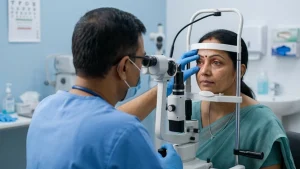
Diagnosis of common eye disorders goes beyond what you see on a chart. We may perform refraction, measure pressure, do a slit lamp exam and a dilated retinal look. Imaging or visual field testing we turn to as needed.
This approach we present is to separate refractive vision disorders from retinal, corneal, lens related or neurological vision disorders. Also it is able to identify in a single patient at the same time such as cataract with glaucoma or dry eye with a bad spectacle prescription.
Treatment Depends on the Diagnosis
There is no one size fits all medicine for the most common eye disorders. We may use spectacles, contact lenses, lubricants, anti allergy remedies, antimicrobial drugs, pressure reducing medication, retinal injections, laser treatment or surgery. What is best will depend on your diagnosis, the severity of your case, your age, overall health, what other medicines you are on and also what you may have tried in the past.
Patients should not use another person’s eye drops or continue with steroid drops without supervision. Steroids are useful for certain inflammatory eye diseases, but their improper use may cause infection to worsen, eye pressure to rise or lead to cataract. What may present as minor eye conditions may in fact be uveitis, keratitis or acute glaucoma.
Can Common Eye Problems Be Prevented?
In many common eye disorders the course is improved with early care. For diabetics and those with a glaucoma history, high refractive power, prior eye injury, long term steroid use or as they age we do comprehensive exams. Some diseases present no symptoms until it is far along.
Protective gear for the eyes reduces injury risk. For diabetes and high blood pressure we see that they play a role in retinal health, also it is put that out of the picture of smoking and using ultraviolet protective sunglasses we may see some age related risks drop. We see that screen breaks do relieve some vision disorders, but they are not a substitute for treatment. Good contact lens hygiene practices will help to prevent serious corneal eye conditions.
When Should You Visit ASG Eye Care?
Arrange an exam when there is persistent blur, night driving becomes difficult, redness returns or a child has an eye turn. People with diabetes or a family history of glaucoma should not wait for symptoms.
At ASG Eye Care we perform a series of tests as part of our approach to identify what is causing common eye disorders and what is the best care plan for you. What may seem like the same symptom can in fact be from a different part of the eye. By early evaluation we are able to catch issues which give the ophthalmologist the best chance to preserve your sight and to treat eye diseases before they progress into something more serious.
Conclusion
Understanding of common eye disorders which in turn makes it easy to tell when a change is routine and when it requires professional attention. Blurring, glare, redness, distortion and eye strain may have simple causes but also may be a sign of silent eye diseases. Regular eye exams, risk factor management and prompt care for warning signs are key to preserving vision.
Frequently Asked Questions
1. What are the most common eye disorders?
Often what is seen is refractive errors, cataract, dry eye, conjunctivitis, glaucoma, diabetic retinopathy and age related macular degeneration. Some common eye disorders present with issues of clarity or comfort, while others cause permanent sight damage.
2. Which eye symptoms should not be ignored?
Sudden vision loss, acute pain, flashes, many new floaters, a dark curtain shadow, marked light sensitivity, chemical injury and redness with reduced vision require prompt attention. These symptoms may point to serious eye diseases as opposed to minor irritation.
3. Can spectacles cure all vision problems?
Spectacles correct myopia, hyperopia, astigmatism and presbyopia which are forms of refractive vision disorders. They do not cure cataracts, reverse glaucoma damage or repair retinal disease. An exam is required when vision is still poor despite a new prescription.
4. Are all red eyes caused by infection?
No. Allergy, dry eye, contact lens irritation, corneal injury, uveitis and acute glaucoma may also present with redness. As these eye conditions require different treatments, persistent redness, pain, light sensitivity or blurred vision should be evaluated.
5. How often should adults have an eye examination?
The interval of time between eye exams is based on age, symptoms and risk factors. Adults with diabetes, glaucoma risk, past eye disease or large refractive error may require more regular follow up. An ophthalmologist will put together a proper schedule after doing the exam.
6. Can common eye disorders cause permanent vision loss?
Yes. Some common eye disorders present a risk of permanent damage if left undiagnosed and untreated. Glaucoma, retinal detachment, late stage diabetic retinopathy and macular degeneration are key examples. Cataract related vision loss is usually a matter of surgical correction also refractive errors may be fixed with the use of glasses.