Allergic Conjunctivitis – Symptoms, Causes & Treatment at ASG Eye Hospital
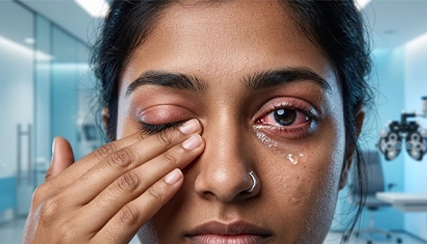
Allergic conjunctivitis is a common eye allergy that occurs when the conjunctiva reacts to allergens such as dust, pollen, smoke, pet dander, pollution, or seasonal changes. The condition causes redness, itching, watering, swelling, and irritation in the eyes. Unlike viral or bacterial conjunctivitis, allergic conjunctivitis is not contagious, but it can significantly affect eye comfort and daily activities. At ASG Eye Hospital, experienced eye specialists provide advanced diagnosis and personalized treatment for allergic conjunctivitis to help patients achieve long-term relief and healthy vision.
Types of Allergic Conjunctivitis
Seasonal Allergic Conjunctivitis
This is the most common form and usually occurs during certain seasons due to pollen exposure from trees, grass, or plants. Symptoms may worsen during spring and summer.
Perennial Allergic Conjunctivitis
Perennial allergic conjunctivitis occurs throughout the year and is commonly triggered by indoor allergens such as dust mites, mold, pet hair, and smoke.
Giant Papillary Conjunctivitis
This form is often associated with long-term contact lens use or irritation caused by foreign materials in the eye. It may cause mucus discharge and discomfort while wearing lenses.
Vernal Keratoconjunctivitis
A more severe allergic eye condition commonly affecting children and young adults, especially in warm climates. It may require specialized treatment to prevent corneal complications.
Symptoms of Allergic Conjunctivitis
Causes of Allergic Conjunctivitis
Allergic conjunctivitis develops when the eyes react to allergens. Common triggers include:
- Dust and dust mites
- Pollen
- Pet dander
- Smoke exposure
- Air pollution
- Mold spores
- Perfumes and cosmetics
- Contact lenses
- Chemical irritants
Identifying and avoiding allergens is important for long-term symptom control.
Risk Factors for Allergic Conjunctivitis
Certain conditions may increase the risk of allergic eye disease:
Complications of Untreated Allergic Conjunctivitis
Without proper management, allergic conjunctivitis may lead to:
- Chronic eye rubbing
- Persistent redness and irritation
- Corneal involvement in severe cases
- Increased sensitivity to light
- Dry eye symptoms
- Reduced visual comfort
- Recurrent eye inflammation
Severe allergic eye diseases may affect the cornea and require specialist care.
Diagnosis of Allergic Conjunctivitis
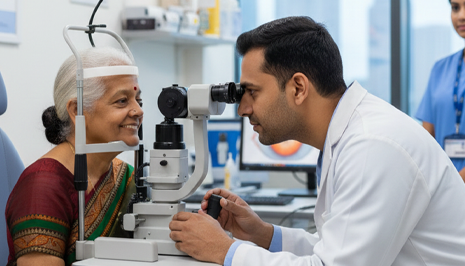
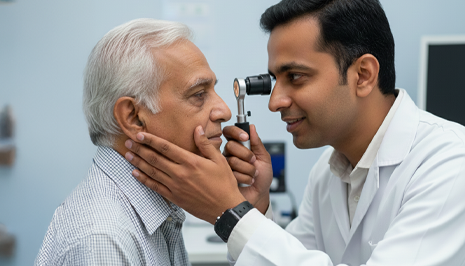
At ASG Eye Hospital, eye specialists perform a detailed eye examination to diagnose allergic conjunctivitis and rule out infections or other eye surface disorders. Evaluation may include:
- Slit lamp examination
- Allergy history assessment
- Tear film evaluation
- Corneal examination
- Contact lens assessment
- Evaluation of environmental triggers
Early diagnosis helps provide effective symptom relief and prevent chronic eye irritation.
Allergic Conjunctivitis Treatment Options
Anti-Allergic Eye Drops
Specialized anti-allergic eye drops help reduce itching, redness, and inflammation caused by allergens.
Lubricating Eye Drops
Artificial tears help wash away allergens and reduce irritation, dryness, and burning sensations.
Cold Compress Therapy
Applying cold compresses helps reduce swelling, itching, and discomfort associated with allergic reactions.
Oral Allergy Medications
In patients with severe allergies, oral antihistamines or allergy medications may be recommended.
Contact Lens Management
Temporary discontinuation or replacement of contact lenses may be advised during active allergic symptoms.
Advanced Management for Severe Allergy
Patients with chronic or severe allergic eye disease may require specialized treatment and close monitoring to protect the cornea and maintain eye health.
How to Prevent Allergic Conjunctivitis
You can reduce allergic eye symptoms by:
- Avoiding known allergens
- Wearing protective sunglasses outdoors
- Maintaining clean indoor environments
- Avoiding excessive eye rubbing
- Washing hands regularly
- Taking breaks during screen exposure
- Using prescribed allergy medications
- Cleaning contact lenses properly
Why Choose ASG Eye Hospital for Allergic Conjunctivitis Treatment?
- Experienced eye specialists
- Advanced allergy and eye surface evaluation
- Personalized treatment plans
- Modern diagnostic technology
- Comprehensive dry eye and allergy management
- Trusted eye hospital network across India
- Focus on long-term eye comfort and vision care
ASG Eye Hospital provides comprehensive care for allergic conjunctivitis, red eyes, itching, and chronic eye allergies using advanced eye care solutions and personalized treatment approaches.