Symptoms of Corneal Ulcer
Patients with corneal ulcers may experience:
Severe eye pain
Redness in the eye
Blurred or decreased vision
Excessive tearing or discharge
Sensitivity to light (Photophobia)
Swelling around the eye
White or grey spot on the cornea
Burning or foreign body sensation
Difficulty opening the eye
If you experience these symptoms, consult an eye specialist immediately to avoid complications.
Causes of Corneal Ulcer
Corneal ulcers can develop due to several reasons:
Bacterial Infection
Bacterial keratitis is one of the most common causes of corneal ulcers, especially in contact lens users.
Viral Infection
Viruses such as Herpes Simplex Virus (HSV) can cause recurring corneal ulcers and scarring.
Fungal Infection
Fungal corneal ulcers are often associated with eye injuries involving plant material or contaminated surfaces.
Parasitic Infection
Acanthamoeba infections can occur due to improper contact lens hygiene and contaminated water exposure.
Eye Injury or Trauma
Scratches, chemical injuries, or foreign objects in the eye can damage the cornea and increase infection risk.
Dry Eye Disease
Severe dry eyes may weaken the corneal surface and make it more vulnerable to infection.
Risk Factors for Corneal Ulcer
Certain conditions increase the risk of developing corneal ulcers:
Improper contact lens use
Sleeping with contact lenses
Eye injuries or trauma
Weak immune system
Chronic dry eye disease
Previous eye infections
Use of contaminated eye products
Diabetes and autoimmune disorders
Diagnosis of Corneal Ulcer
At ASG Eye Hospital, advanced diagnostic methods help identify the exact cause and severity of corneal ulcers.
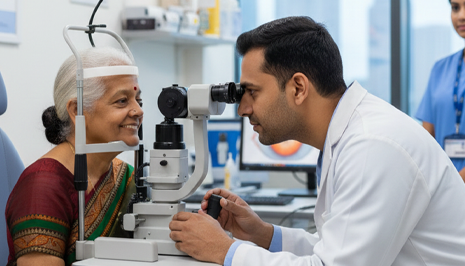
Slit Lamp Examination
A slit lamp microscope helps specialists examine the cornea in detail and detect ulcers, swelling, or infections.
Corneal Staining Test
Special eye drops are used to highlight damaged areas on the corneal surface.
Corneal Scraping
In some cases, corneal samples are collected to identify bacterial, viral, or fungal infections and guide targeted treatment.
Tear Film Assessment
Tear quality and ocular surface health are evaluated to identify underlying dry eye conditions.
Corneal Ulcer Treatment Options
Treatment depends on the type, depth, and severity of the ulcer.
Antibiotic Eye Drops
Bacterial corneal ulcers are commonly treated with intensive antibiotic eye drops to control infection.
Antiviral Medicines
Viral corneal ulcers caused by herpes infections may require antiviral eye drops or oral medications.
Antifungal Treatment
Fungal ulcers are treated using specialized antifungal eye medications and close monitoring.
Lubricating Eye Drops
Artificial tears help reduce dryness and support corneal healing.
Protective Eye Care
Patients may be advised to avoid contact lenses and protect the eye from dust, sunlight, and irritation during recovery.
Corneal Transplant Surgery
Severe corneal ulcers causing deep scarring or perforation may require corneal transplant surgery to restore vision.
Recovery After Corneal Ulcer Treatment
Recovery time depends on the severity and cause of the ulcer.
Mild ulcers may improve within 1–2 weeks
Severe infections may require longer treatment and monitoring
Vision recovery may vary depending on corneal scarring
Regular follow-up visits are essential to prevent recurrence and complications
Early diagnosis and timely treatment significantly improve recovery outcomes.
Complications of Untreated Corneal Ulcer
If left untreated, corneal ulcers may lead to:
Permanent corneal scarring
Vision loss or blindness
Corneal perforation
Spread of infection inside the eye
Need for emergency corneal transplant surgery
Immediate treatment is essential to protect vision and eye health.
Advanced Technology for Cornea Care at ASG Eye Hospital
ASG Eye Hospital uses advanced ophthalmic technology for accurate diagnosis and treatment of corneal infections:
Slit Lamp Imaging
Corneal Topography
Microbiological Corneal Testing
Advanced Corneal Transplant Techniques
Ocular Surface Evaluation Systems
High-Precision Corneal Imaging
Why Choose ASG Eye Hospital for Corneal Ulcer Treatment?
Experienced cornea specialists
Advanced diagnostic facilities
Emergency care for serious eye infections
Personalized treatment plans
Expertise in corneal transplant procedures
Network of 180+ eye hospitals across India