Symptoms of Fuchs’ Dystrophy
Symptoms often develop gradually and may worsen over time.
Common symptoms include:
Blurred or hazy vision
Morning blurry vision that improves during the day
Sensitivity to light (Photophobia)
Glare and halos around lights
Eye discomfort or gritty sensation
Fluctuating vision quality
Difficulty driving at night
Eye pain in advanced stages
Reduced contrast sensitivity
In severe cases, persistent corneal swelling can significantly affect daily activities and vision quality.
Causes and Risk Factors of Fuchs’ Dystrophy
Fuchs’ dystrophy is usually an inherited genetic condition, although the exact cause is not always known.
Risk factors may include:
Family history of Fuchs’ dystrophy
Age above 40 years
Female gender (more common in women)
Previous eye surgery such as cataract surgery
Genetic mutations affecting endothelial cells
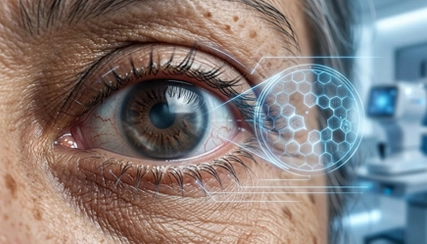
The condition develops when endothelial cells gradually die and cannot regenerate properly, leading to corneal edema (swelling).
Stages of Fuchs’ Dystrophy
Early Stage Fuchs’ Dystrophy
Patients may notice mild morning blur or glare with minimal impact on vision.
Moderate Stage
Corneal swelling becomes more noticeable, causing fluctuating vision and light sensitivity.
Advanced Stage
Persistent corneal edema and painful blisters may develop, leading to severe vision impairment and corneal scarring.
Diagnosis of Fuchs’ Dystrophy
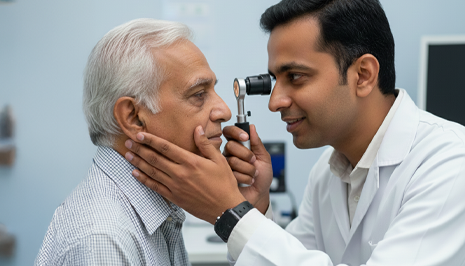
At ASG Eye Hospital, advanced corneal imaging and endothelial evaluation help detect Fuchs’ dystrophy accurately.
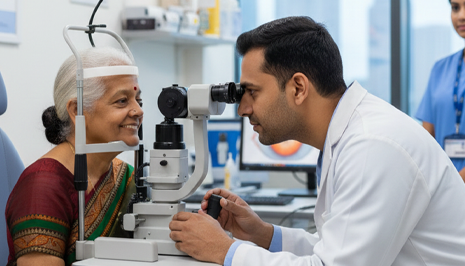
Slit Lamp Examination
Specialists examine the cornea under magnification to identify guttae and corneal swelling.
Pachymetry
Corneal thickness measurement helps assess fluid buildup and disease progression.
Specular Microscopy
This imaging test evaluates endothelial cell count, shape, and health.
Corneal Topography and Tomography
Advanced imaging techniques map corneal structure and detect edema-related changes.
Fuchs’ Dystrophy Treatment Options
Treatment depends on the severity and progression of the disease.
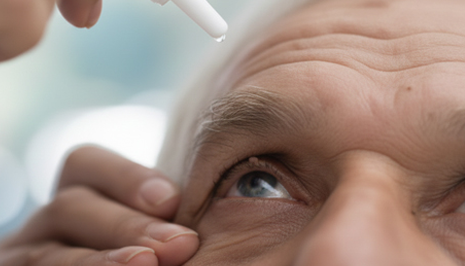
Hypertonic Saline Eye Drops
Specialized saline eye drops and ointments help reduce corneal swelling and improve vision clarity.
Lubricating Eye Drops
Artificial tears help relieve irritation, dryness, and discomfort.
Soft Therapeutic Contact Lenses
Bandage contact lenses may reduce pain caused by corneal swelling and surface blisters.
Endothelial Keratoplasty (DMEK / DSAEK)
Advanced partial-thickness corneal transplant procedures replace damaged endothelial cells with healthy donor tissue while preserving most of the patient’s cornea. These modern procedures offer faster recovery and improved visual outcomes.
Full Thickness Corneal Transplant (PK)
In advanced or complicated cases, a complete corneal transplant may be recommended to restore corneal clarity and vision.
Recovery After Fuchs’ Dystrophy Treatment
Recovery depends on the treatment method and severity of the condition.
Eye drop treatments may provide symptom relief within days
DMEK and DSAEK surgeries usually recover faster than full corneal transplants
Vision may continue improving for several weeks to months after surgery
Regular follow-up visits are essential for long-term corneal health monitoring
Early treatment helps preserve vision and reduce complications.
Complications of Untreated Fuchs’ Dystrophy
Without proper management, Fuchs’ dystrophy may lead to:
Persistent corneal swelling
Corneal scarring
Painful corneal blisters
Severe vision loss
Difficulty performing daily activities
Need for advanced corneal transplant surgery
Timely diagnosis and specialist care are important to maintain vision quality.
Advanced Technology for Cornea Care at ASG Eye Hospital
ASG Eye Hospital uses advanced ophthalmic technology for precise diagnosis and treatment planning:
Why Choose ASG Eye Hospital for Fuchs’ Dystrophy Treatment?
Experienced cornea specialists
Advanced endothelial imaging technology
Expertise in modern corneal transplant procedures
Personalized treatment planning
Comprehensive cornea care under one roof
Network of 180+ eye hospitals across India