Ptosis (Droopy Eyelid) – Symptoms, Causes & Treatment
Ptosis, commonly known as a droopy eyelid, is a condition in which the upper eyelid falls lower than normal. It may affect one or both eyes and can occur in children as well as adults. In severe cases, the drooping eyelid may partially or completely block vision, leading to eye strain, difficulty seeing clearly, headaches, and cosmetic concerns. At ASG Eye Hospital, experienced eye specialists provide advanced ptosis diagnosis and treatment using modern surgical and non-surgical techniques to restore proper eyelid function and improve appearance.
Types of Ptosis
Congenital Ptosis
Congenital ptosis is present at birth and usually occurs due to improper development of the eyelid muscle. Early treatment is important in children if vision is affected.
Acquired Ptosis
Acquired ptosis develops later in life due to aging, muscle weakness, nerve problems, trauma, or previous eye surgery.
Neurogenic Ptosis
This type occurs because of nerve-related conditions affecting eyelid movement and may be associated with neurological disorders.
Mechanical Ptosis
Mechanical ptosis may develop due to eyelid swelling, tumors, or excess eyelid tissue pulling the eyelid downward.
Symptoms of Ptosis
Common symptoms of ptosis include:
- Drooping of one or both upper eyelids
- Difficulty keeping the eyes fully open
- Obstructed or reduced vision
- Frequent eyebrow lifting to improve vision
- Eye strain and fatigue
- Headaches from forehead muscle overuse
- Uneven eyelid appearance
- Difficulty reading or driving
- Tired-looking eyes
- Reduced peripheral vision
Children with ptosis may tilt their head backward or raise their eyebrows frequently to see properly.
Causes of Ptosis
Ptosis can develop due to several underlying causes, including:
- Age-related weakening of eyelid muscles
- Congenital muscle weakness
- Nerve-related disorders
- Diabetes-related nerve damage
- Eye injury or trauma
- Previous eye surgery
- Tumors or eyelid swelling
- Neurological conditions
- Muscle disorders
- Excessive rubbing of the eyes
Accurate diagnosis is important to identify the exact cause and determine the most suitable treatment approach.
Risk Factors for Ptosis
Certain individuals may have a higher risk of developing ptosis, including:
- Older adults
- People with diabetes
- Patients with neurological disorders
- Individuals with previous eye trauma
- Children born with eyelid muscle abnormalities
- People with chronic eye rubbing habits
- Patients after eye surgery
Complications of Untreated Ptosis
If ptosis is not treated properly, it may lead to:
- Vision obstruction
- Eye fatigue
- Chronic headaches
- Lazy eye (amblyopia) in children
- Neck strain from abnormal head posture
- Reduced quality of life
- Cosmetic concerns and reduced confidence
Early treatment helps prevent long-term visual complications.
Diagnosis of Ptosis
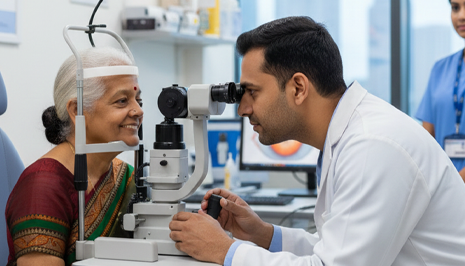
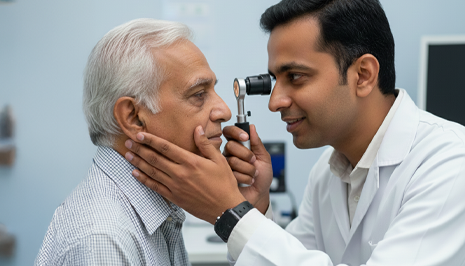
At ASG Eye Hospital, specialists perform a detailed eye examination to evaluate eyelid position, muscle strength, and vision impact. Diagnostic evaluation may include:
- Comprehensive eye examination
- Eyelid measurement tests
- Vision assessment
- Eye movement evaluation
- Neurological assessment
- Tear film and corneal evaluation
- Imaging tests in selected cases
A customized treatment plan is created based on the severity and cause of ptosis.
Ptosis Treatment Options
Non-Surgical Management
Mild ptosis cases may sometimes be managed temporarily using supportive glasses known as ptosis crutches or by treating the underlying medical condition. However, non-surgical treatment does not permanently correct ptosis.
Ptosis Surgery
Ptosis surgery is the most effective treatment for moderate to severe drooping eyelids. The procedure involves tightening or repositioning the eyelid muscles to restore normal eyelid height and improve vision.
Frontalis Sling Surgery
In severe congenital ptosis where eyelid muscles are very weak, frontalis sling surgery may be performed to help lift the eyelid using forehead muscles.
Pediatric Ptosis Treatment
Children with ptosis require early evaluation to prevent vision development problems and lazy eye. Surgical correction may be recommended if the eyelid covers the pupil.
Recovery After Ptosis Surgery
Most patients experience mild swelling and discomfort for a few days after surgery. Recovery generally includes:
- Initial healing within 1–2 weeks
- Reduced swelling gradually
- Improved eyelid appearance
- Better vision and eye comfort
- Full recovery within a few weeks
Following post-operative instructions helps ensure proper healing and long-term results.
Why Choose ASG Eye Hospital for Ptosis Treatment?
- Experienced oculoplasty and eye specialists
- Advanced eyelid surgery techniques
- Personalized treatment planning
- Modern diagnostic technology
- Day-care surgical procedures
- Focus on both vision and cosmetic appearance
- Trusted eye care network across India
ASG Eye Hospital provides advanced care for droopy eyelids with modern treatment options designed to improve both function and appearance.