Diplopia (Double Vision) – Symptoms, Causes & Treatment at ASG Eye Hospital
Diplopia, commonly known as double vision, is a condition in which a person sees two images of a single object. The images may appear side by side, vertically separated, or overlapping. Diplopia can affect one eye or both eyes and may occur occasionally or continuously. Double vision may develop due to eye muscle problems, nerve disorders, neurological conditions, refractive errors, or underlying medical diseases. Since diplopia can sometimes indicate a serious neurological emergency, early diagnosis and treatment are extremely important. At ASG Eye Hospital, experienced neuro-ophthalmologists and eye specialists provide advanced diagnosis and comprehensive treatment for double vision using modern imaging and eye alignment evaluation technology.
Types of Diplopia
Monocular Diplopia
Monocular diplopia persists even when one eye is closed. It usually occurs due to eye-related problems such as:
- Cataracts
- Corneal irregularities
- Dry eye syndrome
- Refractive errors
- Lens abnormalities
Binocular Diplopia
Binocular diplopia disappears when either eye is closed and usually occurs due to eye misalignment or neurological problems affecting eye movement coordination.
Symptoms of Diplopia
Common symptoms associated with double vision include:
- Seeing two images of one object
- Blurred vision
- Eye strain
- Headaches
- Difficulty reading
- Dizziness
- Nausea
- Eye pain
- Drooping eyelids
- Difficulty focusing
- Abnormal eye movements
- Head tilting to compensate for vision
Some patients may experience intermittent symptoms, while others develop constant double vision.
Causes of Diplopia
Diplopia may occur due to various eye and neurological conditions, including:
Eye Muscle Problems
Weakness or imbalance of eye muscles can prevent proper eye alignment.
Cranial Nerve Palsy
Damage to nerves controlling eye muscles may cause eye movement abnormalities and double vision.
Strabismus (Squint)
Misalignment of the eyes can lead to binocular diplopia.
Cataracts
Lens clouding may cause monocular double vision.
Dry Eye Syndrome
Irregular tear film can occasionally cause temporary double vision.
Thyroid Eye Disease
Thyroid-related eye disorders may affect eye muscles and cause diplopia. (asgeyehospital.com)
Neurological Conditions
Neurological diseases associated with diplopia include:
- Stroke
- Multiple sclerosis
- Brain tumors
- Myasthenia gravis
- Head injury
- Migraine
Diabetes & Hypertension
Diabetes and high blood pressure may damage cranial nerves controlling eye movements.
Risk Factors for Diplopia
Factors that may increase risk include:
- Diabetes
- High blood pressure
- Thyroid disorders
- Neurological disease
- Head injury
- Autoimmune conditions
- Aging
- Eye muscle disorders
Complications of Untreated Diplopia
Without timely treatment, double vision may lead to:
- Difficulty driving
- Increased risk of falls
- Eye strain
- Reduced work performance
- Headaches
- Loss of depth perception
- Reduced quality of life
- Vision-related anxiety
Underlying neurological causes may also worsen without medical attention.
Diagnosis of Diplopia
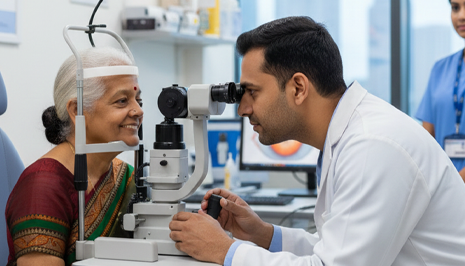
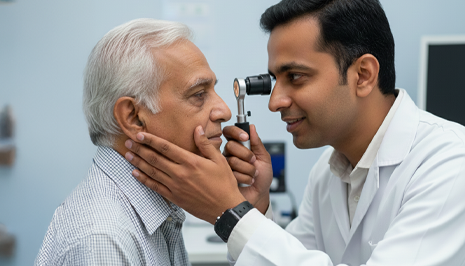
At ASG Eye Hospital, specialists perform comprehensive eye and neurological evaluations to diagnose the cause of double vision. Diagnostic tests may include:
- Comprehensive eye examination
- Eye alignment testing
- Visual acuity testing
- Eye movement assessment
- Slit lamp examination
- Refraction testing
- Neurological examination
- OCT imaging
- MRI or CT brain imaging
- Blood investigations
Advanced neuro-ophthalmic diagnostic systems help specialists accurately identify the underlying cause of diplopia.
Treatment Options for Diplopia
Corrective Glasses
Prescription glasses may improve vision and reduce symptoms in refractive causes of diplopia.
Prism Glasses
Prism lenses help align visual images and reduce double vision in selected cases. (aao.org)
Eye Exercises & Vision Therapy
Vision therapy may improve eye coordination and focusing ability in certain patients.
Treatment of Underlying Medical Conditions
Management of diabetes, thyroid disease, neurological disorders, or infections may help resolve diplopia.
Medications
Steroids, neurological medications, or immunotherapy may be prescribed depending on the cause.
Botox Injections
Botulinum toxin injections may help relax overactive eye muscles in selected cases.
Strabismus Surgery
Eye muscle surgery may be recommended for persistent eye misalignment causing double vision.
When Should You Seek Immediate Medical Attention?
You should seek urgent medical care if double vision develops suddenly, especially with:
- Severe headache
- Weakness or numbness
- Difficulty speaking
- Facial drooping
- Sudden vision loss
- Dizziness
- Head injury
Sudden diplopia may indicate a stroke or neurological emergency.
Why Choose ASG Eye Hospital for Diplopia Treatment?
- Experienced neuro-ophthalmologists and squint specialists
- Advanced eye alignment and imaging technology
- Comprehensive neurological eye evaluation
- Personalized treatment plans
- Modern diagnostic and surgical facilities
- Multidisciplinary care approach
- Trusted eye hospital network across India
ASG Eye Hospital provides advanced diagnosis and treatment for diplopia and neuro-ophthalmology disorders with a focus on identifying the underlying cause, improving visual function, and enhancing quality of life.