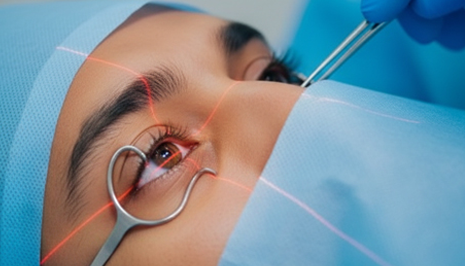
Keratoconus Surgery: Diagnosis, Symptoms & Treatment
Risk Factors
Those people with high risk of contracting keratoconus eye problem are those:
- With family history of keratoconus
- Regularly rubbing their eyes
- Suffering from chronic allergies
- Teenagers and young adults
- With connective tissue problems
- Severe dryness of the eyes
Blurry vision and sensitivity to light should be reported immediately to an eye specialist for proper keratoconus eye treatment and corneal evaluation.
Treatment Options at ASG Eye Hospital
Glasses & Contact Lens Therapy
At the beginning of keratoconus eye disease, it is possible to use glasses or special contact lenses for keratoconus treatment to enhance vision clarity.
The use of rigid gas permeable lenses and scleral lenses for keratoconus is more beneficial because such lenses correct vision and create a smooth optical surface over an abnormal cornea. Periodic eye checks and keratoconus management are essential to monitor disease progression.
Corneal Collagen Cross-Linking (C3R)
Corneal collagen cross-linking (C3R treatment) is the best solution to prevent further progression of keratoconus eye disease.
Such a high-tech keratoconus treatment procedure involves strengthening the cornea with the help of riboflavin drops and UV light therapy. With corneal cross-linking surgery, it is possible to stabilize the cornea and slow disease progression effectively.
Intacs / Corneal Ring Treatment
INTACS treatment for keratoconus entails inserting small rings that are placed in the cornea to correct deformities and make it smoother.
It is a relatively non-invasive keratoconus surgery used to treat keratoconus and enhance vision while potentially decreasing reliance on glasses or contact lenses.
Corneal Transplant Surgery
At the advanced stage of keratoconus eye disease, it may become necessary to conduct a corneal transplant surgery in case of thinning or scarring of the cornea.
In this advanced keratoconus treatment, the diseased part is removed and healthy donor corneal tissue is inserted into the eye to restore clearer vision and improve eye function.
Which Keratoconus Treatment is Best for You?
Cost of Keratoconus Treatment in India
- High quality of vision improvement
- Decreased blurry and distorted vision
- Prevents further progression of keratoconus
- Increased stability of the cornea
- Reduced dependence on eyeglasses and contact lenses
- Improved eye comfort
- Avoidance of vision impairment and corneal damage
Advantages of Keratoconus Treatment
The cost of keratoconus treatment in India depends on the severity of keratoconus, type of treatment, and advanced technology used.
Parameters influencing the cost of keratoconus treatment:
- Severity of keratoconus
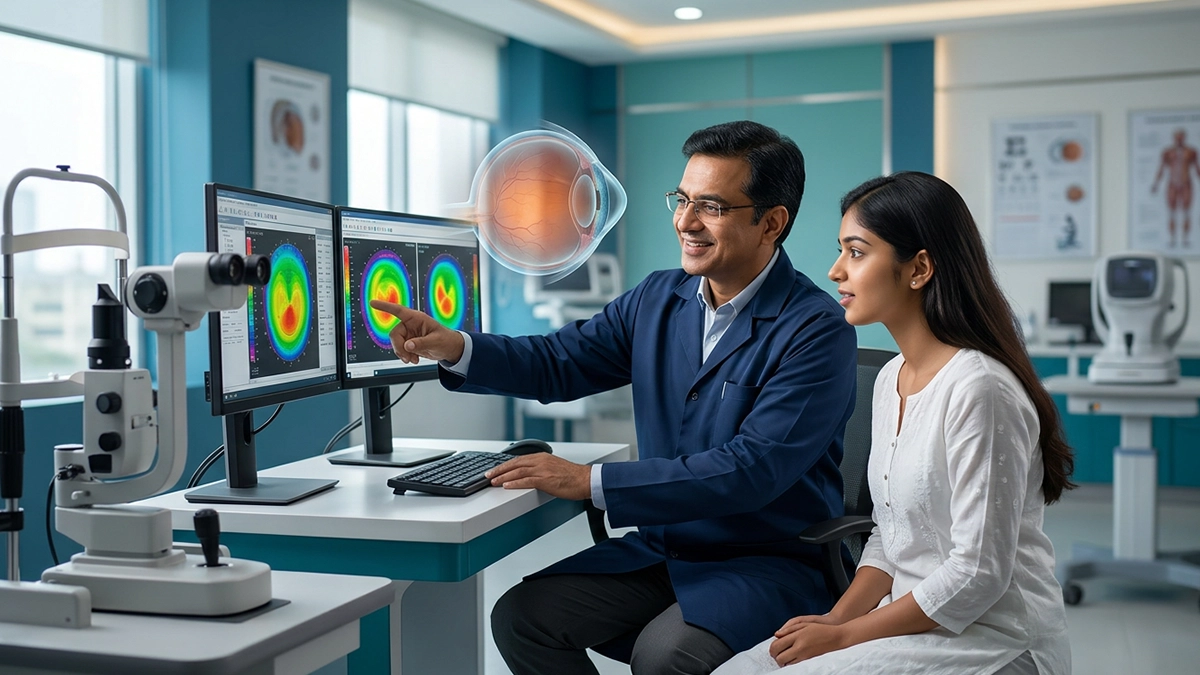
- Diagnostic tests needed (like corneal topography)
- Treatment modality
- Advanced surgical procedures
- Hospital infrastructure
- Surgeon’s expertise
High-tech procedures like corneal transplant surgery and C3R treatment for keratoconus may cost more due to advanced technology and specialized care.
Suitable Candidates
The following factors may make you eligible for keratoconus eye treatment or keratoconus surgery:
- Blurry vision
- Frequent eye power changes
- Thinning cornea
- Sensitivity and glare
- Inability to wear contact lenses
- Confirmed keratoconus diagnosis
Your eyes will be examined by an eye specialist who will advise you on the best keratoconus surgery option.
Risks and Safety
Normal Recovery Time:
- Glasses and contact lenses: Adaptable instantly
- C3R treatment: 1–2 weeks
- INTACS surgery: 2–4 weeks
- Corneal transplant surgery: 1–3 months
Post-treatment care includes:
- Refrain from rubbing the eyes
- Use eye drops as prescribed
- Schedule follow-up appointments
- Wear protective glasses
- Avoid dusty and polluted environments
Recovery Period
Modern keratoconus eye treatment is quite safe if carried out by professional ophthalmologists.
Possible risks include:
- Eye irritation
- Light sensitivity
- Temporary discomfort
- Temporary blurred vision
- Dry eyes
- Rare infection risk
Advanced diagnostic tools like corneal topography and modern surgical techniques improve safety and outcomes in keratoconus management.
Why Choose ASG Eye Hospital for Keratoconus Treatment?
State-of-the-Art Technologies
At ASG Eye Hospital, advanced diagnostic devices, corneal topography, UV cross-linking technology, and modern surgical methods are used for effective keratoconus treatment in India.
Experienced Doctors
Our skilled professionals have vast experience in performing keratoconus surgery, C3R treatment, and advanced corneal procedures.
Trusted Name
ASG Eye Hospital is a trusted destination for corneal treatment in India, advanced eye care, and comprehensive keratoconus management services.