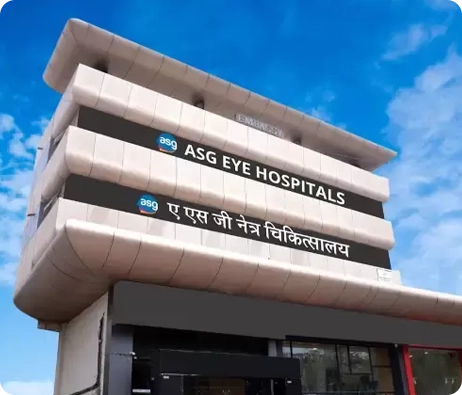
Why Choose ASG Eye Hospital for Retinal Diseases Treatment in Indore?
Modern Retina Diagnostic Technology
Our retina department is equipped with advanced diagnostic systems that help evaluate retinal health in detail, including:
- Optical Coherence Tomography (OCT)
- Digital fundus photography
- Fluorescein angiography
- Wide-field retinal examination
- Visual acuity assessment
- Comprehensive dilated retinal evaluation
These technologies support precise diagnosis and effective treatment planning.
Personalized Retina Treatment Plans
Every patient receives individualized care based on retinal findings, medical history, lifestyle factors, and visual requirements. This personalized approach helps optimize treatment outcomes and long-term retinal health.
Expertise in Managing Retinal Disorders
Our experienced ophthalmologists diagnose and treat various retinal conditions, including:
- Diabetic retinopathy
- Age-related macular degeneration (AMD)
- Retinal tears
- Retinal detachment
- Macular edema
- Retinal vein occlusion
- Vitreous hemorrhage
- Epiretinal membrane
- Posterior vitreous detachment
Retinal Diseases Treatment Options Available at ASG Eye Hospital Indore
Comprehensive Retina Evaluation
A thorough retinal examination helps identify abnormalities, determine disease severity, and establish an appropriate treatment plan.
Medical Retina Care
Many retinal diseases can be managed through medication and scheduled follow-up visits aimed at preserving retinal function and minimizing disease progression.
Intravitreal Injection Therapy
For selected retinal conditions, intravitreal injections may help reduce retinal swelling, improve retinal stability, and manage abnormal blood vessel growth.
Retinal Laser Therapy
Laser treatment may be recommended for retinal tears, diabetic retinopathy, and other retinal disorders to prevent further retinal damage and preserve vision.
Vitreo-Retinal Surgery Assessment
Patients diagnosed with advanced retinal disease or retinal detachment may undergo evaluation for specialized vitreoretinal surgical procedures when necessary.
Ongoing Retina Monitoring
Regular follow-up appointments allow specialists to assess treatment response, detect progression early, and adjust management plans according to the patient’s condition.
Technology-Driven Retina Care with a Patient-Centered Approach
At ASG Eye Hospital Indore, we combine clinical expertise with modern ophthalmic technology to provide comprehensive retina care for patients of all age groups. Whether managing chronic retinal diseases or evaluating newly developed symptoms, our focus remains on early diagnosis, individualized treatment, and continuous monitoring.
Our commitment is to help patients maintain healthy vision through evidence-based retinal care delivered with precision and compassion.
Complete Retina Care Services in Indore
Patients visiting ASG Eye Hospital Indore can access:
- Retina specialist consultation
- Comprehensive retinal examinations
- Optical Coherence Tomography (OCT)
- Digital retinal imaging
- Diabetic retina screening
- Macular disease evaluation
- Retinal laser treatment
- Intravitreal injection therapy
- Vitreo-retinal surgery consultation
- Preventive retinal health assessments