
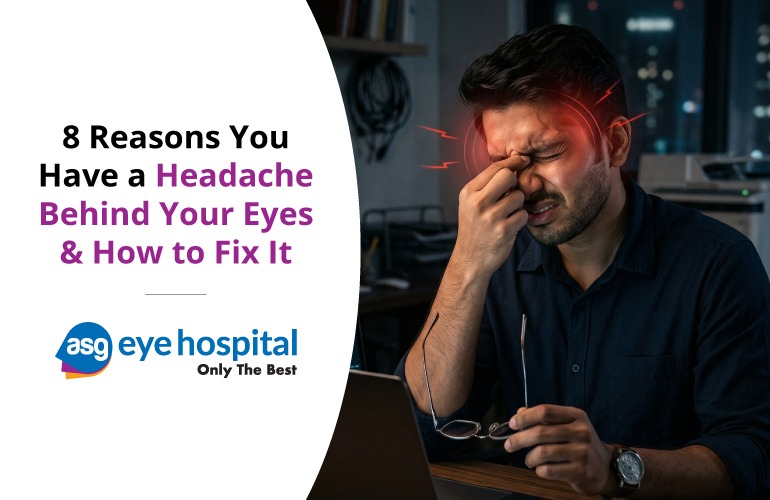
Ophthalmology and general healthcare practices treat eye headaches, which start in the eyes and spread to the back of the head. The condition creates difficulties because it impacts people’s ability to see, their ability to focus and their ability to work throughout the day. The pain typically results from two different sources, which include ocular strain and sinus pressure and neurological conditions and systemic health issues. The headache behind the eyes needs to be studied because this research helps with both condition diagnosis and treatment selection.
The temporary pain relief through rest or hydration shows that patients need to consult a professional when they experience continuous or repeated headache behind the eyes symptoms because these symptoms indicate a potential medical or ocular problem. The next sections will present eight common causes together with their effective management solutions.
1. Eye Strain from Digital Screens
People who use digital devices for extended periods create one of the most common reasons that lead to headaches that originate from the back of the head. The extended time people spend looking at screens causes their eyes to need to keep looking at the screen, which results in their eye muscles becoming exhausted. The main signs of this condition include:
- Pain that occurs behind the eyes
- The ability to see clearly becomes difficult
- The eyes experience dryness and irritation
- The person shows increased sensitivity to bright lights
Effective management requires people to decrease their screen time. They should follow the 20-20-20 guideline, which states that every 20 minutes, people need to look at something 20 feet away for 20 seconds. People should establish proper lighting conditions. They should wear their prescribed corrective lenses when needed. Artificial tears and ergonomic adjustments provide solutions for reducing strain.
2. Migraine
Migraines are a neurological condition that usually brings intense migraine pain behind the eyes. The pain can affect one side of the head, and it comes together with visual disturbances, nausea and sensitivity to light or sound.
The following factors can trigger migraine episodes:
- Hormonal changes
- Stress
- Sleep disturbances
- Certain foods
- Bright lights
Doctors use prescribed migraine medications together with lifestyle changes and water intake, and trigger avoidance to create treatment plans. The people who experience repeated Migraine pain behind the eyes needs to see a doctor who will decide their best treatment approach.
3. Sinusitis
Sinus infections or inflammation create pressure that builds up in the sinus cavities, which surround the eyes and forehead. This pressure results in a continuous headache behind the eyes. Additional symptoms may include:
- Nasal congestion
- Facial pressure
- Postnasal drip
- Fever
- Reduced sense of smell
Medical treatment usually involves decongestants, saline nasal sprays, antihistamines and antibiotics, which are given during bacterial infections. Proper sinus management often leads to significant relief of eye pressure and discomfort.
4. Refractive Errors
The body requires training on data up to October 2023. Uncorrected vision problems, which include myopia (nearsightedness), hyperopia (farsightedness) and astigmatism, create excessive demands on eye muscles during the process of visual focus. The strain leads to recurring headaches, which occur more often during reading, driving and computer work.
Patients often report the following:
- Eye fatigue
- Blurred vision
- Difficulty focusing
- Persistent Headache behind the eyes
A comprehensive eye examination helps detect refractive errors. The symptoms will vanish when patients receive correct visual correction, which includes prescription glasses or contact lenses.
5. Cluster Headaches
Cluster headaches are a severe form of headache characterized by intense pain around or behind one eye. These headaches occur in cyclical patterns or clusters and may last from weeks to months.
Symptoms may include:
- Severe unilateral eye pain
- Redness or watering of the eye
- Nasal congestion on one side
- Restlessness during attacks
Although less common, cluster headaches can be extremely painful. Neurological evaluation and prescription medications are typically required for management.
6. Glaucoma
Acute angle-closure glaucoma is a serious eye condition that can cause sudden eye pain and headaches. In some cases, patients may experience pressure sensations around the eyes along with blurred vision and nausea.
Possible symptoms include:
- Severe eye pain
- Haloes around lights
- Sudden visual disturbances
- Headache behind the eye region
Immediate medical attention is required because untreated glaucoma can lead to permanent vision loss.
7. Dry Eye Syndrome
Dry eye occurs when the eyes cannot produce enough tears or when the tears that are produced lack proper quality. The condition of persistent dryness causes people to experience irritation, which results in discomfort that can progress to headaches.
The most common symptoms of this condition include:
- Burning sensation
- Redness
- Gritty feeling in the eyes
- Eye fatigue
People frequently overlook dry eye as the answer to their question about relief for eye pressure when they ask, ‘How do I relieve pressure behind my eyes?’ The standard treatment involves using lubricating eye drops together with implementing lifestyle changes and controlling environmental factors, which include air conditioning and extended screen time.
8. Stress and Tension Headaches
The muscles in the forehead and temples, and the eye area develop tension when people experience stress, and this tension creates headaches that extend their pain to the area behind their eyes. The tension headaches that people experience result from their continuous work activities, their incorrect body alignment and their mounting psychological pressure.
The patients who suffer from regular tension headaches want to know, ‘How do I relieve pressure behind my eyes?’ The process of effective management requires the implementation of stress reduction techniques, together with the need for sufficient sleep, hydration and proper workplace posture maintenance.
How to Relieve Headache Behind Eyes
The appropriate treatment depends on the underlying cause. However, several general strategies can help alleviate symptoms while awaiting medical evaluation. The common measures that people use include the following:
- People need to drink enough water during the day.
- People need to take frequent breaks from digital screens.
- People need to use appropriate lighting systems during their reading and working activities.
- People need to wear their required eyeglasses according to their prescription.
- People use cold compresses to treat swelling in their bodies.
- People must get enough sleep, and they need to manage their stress levels.
When to Seek Medical Attention?
The following symptoms need professional assessment because they exceed typical headache symptoms that people encounter without major medical problems:
- Sudden or severe eye pain
- Persistent headaches lasting several days
- Visual disturbances, which include blurred vision and halos
- Redness or swelling around the eye
- Nausea or vomiting that accompanies eye pain
An ophthalmologist can determine whether the symptoms are related to eye strain, refractive errors, glaucoma, or other ocular conditions.
Conclusion
Headaches that happen behind the eyes emerge from various medical and eye conditions, which include eye fatigue, migraines, sinus infections, vision problems and glaucoma. Doctors need to understand the underlying causes of headaches behind the eyes because it helps them provide treatment that prevents future health problems.
People who experience ongoing headaches behind their eyes need to receive an assessment from certified eye doctors who can deliver precise diagnoses and suitable treatment.
Patients can visit the ASG Eye Hospital locations such as ASG Eye Hospital in Mumbai, ASG Eye Hospital in Delhi, ASG Eye Hospital in Srinagar, ASG Eye Hospital in Gujarat, ASG Eye Hospital in Indore and ASG Eye Hospital in Punjab to receive complete ocular assessments and advanced ophthalmic treatments from skilled eye doctors. The medical process starts with an early consultation, which helps identify the primary cause behind eye headaches while providing essential treatment to maintain visual health over time.
Frequently Asked Questions
1. Can vision problems lead to headaches behind the eyes?
Yes, uncorrected refractive errors such as myopia (nearsightedness), hyperopia (farsightedness), or astigmatism can put a strain on the muscles of your eyes, resulting in headaches behind the eyes, especially if you’re spending time reading or using devices.
2. Are migraines a common cause of headaches behind the eyes?
The neurological nature of migraines makes them the second most frequent reason people experience headaches behind their eyes. Most people who experience migraines will have pain behind their eyes together with light sensitivity and nausea with vomiting and visual disturbances.
3. Under what circumstances should I see an eye specialist for headaches behind the eyes?
Patients who experience severe and ongoing headaches that lead to eye pain and eye redness and vision problems should seek medical evaluation.
4. Do sinus infections cause pressure behind the eyes?
Yes. Inflammation of the sinus cavities can produce a feeling of facial pressure causing discomfort behind the eyes is one of the common causes of headaches behind the eyes.
5. What are some simple ways to relieve headaches due to eye strain?
Simple ways to relieve aggravation of headaches behind the eyes due to digital eye strain include taking frequent breaks away from your computer screen or phone, using appropriate lighting, drinking enough water, and wearing corrective lenses or glasses as prescribed.