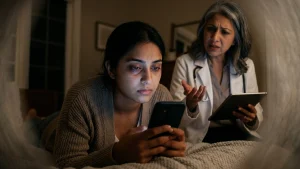
That Red, Uncomfortable Eye Probably Needs More Than Rest
Most people will attempt to let an eye infection run its course. Cold washes, no screens, and rest sound like good ideas. They might be if the infection were viral or even a mild allergy. Otherwise, the discharge, inflammation and irritation begin to accumulate after 3 to 5 days and develop to a stage of criticality within 3 to 5 days. At that time, medics prescribe moxifloxacin eyedrops, and the patient begins to notice real improvement in days. In many cases, visiting an eye hospital early can help prevent the infection from becoming more serious. Once you know how this medication works, its use and where side effects may arise, you’ll have a huge impact on its use.
What Is Moxifloxacin Used For?
Moxifloxacin eye drops belong to the fluoroquinolone antibiotics category. That implies this drug may be given as an antibiotic eye drop to tackle various illnesses. Moxifloxacin is more active than its forebears in penetrating the surface of the eye. Most cases of bacterial eye infection involve not just the eye surface but also the anterior chamber – the fluid-filled cavity behind the cornea. This makes this medicine effective for such conditions.
The vast majority of moxifloxacin eye drop formulae are preservative-free. They can be safely used without causing extra irritation to already sensitive or infected eyes.
Table: Moxifloxacin Eye Drops Overview
| Feature | Details |
|---|---|
| Medicine Type | Fluoroquinolone Antibiotic |
| Common Uses | Conjunctivitis, Keratitis, Post-Surgery Care |
| Works Against | Gram-positive & Gram-negative bacteria |
| Prescription Required | Yes |
| Common Side Effects | Burning, irritation, blurred vision |
| Suitable for Contact Lens Users | Only under doctor supervision |
| Typical Dosage | 2–3 times daily (as prescribed) |
| Available Form | Eye Drops |
| Best For | Bacterial eye infections |
| Doctor Specialty | Ophthalmologist |
Moxifloxacin Uses & Conditions It Can Treat
The scope of conditions that moxifloxacin eye drops can treat is larger than patients assume. Bacterial conjunctivitis is probably the best-known example, and a typical test can solve it in a week.
Keratitis, or bacterial infection of the cornea, is another situation when this medicine comes into action. Corneal infection requires timely treatment to prevent permanent scarring of the cornea and vision loss. The ability of moxifloxacin antibiotic eye drops to enter the cornea effectively makes it quite worthy to be suggested by ophthalmologists.
Wearing contact lenses has a major drawback that they can lead to corneal infection. If anyone experiences pain or any other issues with their vision while wearing lenses, they should visit an eye care center to see a qualified Ophthalmologist.
Prophylaxis in surgical procedures is another area of moxifloxacin uses. Prior to and after cataract or LASIK surgery, this drug is prescribed to minimize the infection risks in the period when the natural defense of the eye is lowered. It’s what helped to practically eliminate post-surgery eye infections today.
Why Do Ophthalmologists Choose This Drug?
Three things consistently distinguish this drug from others of its kind. First of all, it can fight bacteria of both categories – gram-positive and gram-negative. Among those, it covers staphylococcus and streptococcus strains, which are the most common causes of eye infections. The second feature we have already discussed above – penetration to the anterior chamber of the eye. Finally, some formulae of moxifloxacin eye drops for infection require only two or three administrations per day.
Such parameters make it quite difficult to find an equivalent alternative.
Moxifloxacin Side Effects Explained
Each antibiotic eye drops comes with its price, and you need to know what moxifloxacin side effects can happen before starting taking it. The most common side effect is short-term irritation of the eye immediately after the administration. Usually, it lasts for not longer than one minute and fades away completely in one or two days of treatment.
One other symptom is slight blurred vision which lasts just several minutes after the medication is used. When taking this medicine, it is not suggested to handle heavy tools or drive.
If your body has been disrupted for a lengthy amount of time, it may react badly to this medicine. It is suggested that you visit a healthcare specialist about your issue.
Allergic reactions occur rarely but should be taken seriously. Swelling of the eyelids, spreading redness or rashes around the eye indicate a severe reaction that requires immediate discontinuation of the therapy. Also, patients are advised to consult a physician in case of unusual symptoms.
Self-medication with this drug in case of recurrent infections leads to antibiotic resistance. It is dangerous as it significantly limits the therapeutic options when dealing with eye infections.
How to Apply the Drops
It is crucial to follow the instructions given by your eye clinic regarding the technique of applying the medicine. Always wash your hands before doing this. Hold the lower lid and pull it downwards to create a small pocket between your eyeball and the lid. Instil one drop of the medicine and close the eye softly. Lightly press the inner corner of the eye for about ninety seconds.
What To Do if Moxifloxacin Is Ineffective?
For cases like viral or fungal infections or allergies, this drug will not bring any result. If your symptoms do not change in a positive way in four or five days of treatment or get worse, it means that your eye infection treatment was ineffective. Do not hesitate and see an eye doctor immediately as continuing the course with the wrong drug will make the problem worse.
Conclusion
If moxifloxacin antibiotic eye drops are used correctly, they’re actually effective. If you know the uses and side effects of moxifloxacin, and follow your ophthalmologist’s directions, then your vision will remain healthy.
FAQ Section
1. What are moxifloxacin eye drops used for?
Moxifloxacin eye drops are used to treat bacterial eye infections, including conjunctivitis, keratitis, and post-surgical eye infections.
2. Are moxifloxacin eye drops antibiotics?
Yes, moxifloxacin belongs to the fluoroquinolone antibiotic category and works against a wide range of bacteria.
3. What are the common side effects of moxifloxacin eye drops?
Common side effects include mild eye irritation, temporary burning sensation, watery eyes, and short-term blurred vision.
4. Can I use moxifloxacin eye drops with contact lenses?
No. Contact lenses should usually be avoided during active eye infections unless your ophthalmologist advises otherwise.
5. How long do moxifloxacin eye drops take to work?
Many patients notice improvement within 2–3 days, but the complete course should be finished as prescribed.
6. Can moxifloxacin treat viral eye infections?
No. Moxifloxacin works only against bacterial infections and is ineffective for viral or fungal eye conditions.
7. Is it safe to use moxifloxacin after LASIK or cataract surgery?
Yes. Ophthalmologists commonly prescribe moxifloxacin eye drops before and after eye surgeries to prevent infections.
8. When should I see an eye doctor?
If redness, pain, swelling, discharge, or blurred vision worsens or does not improve within 4–5 days, consult an ophthalmologist immediately.