Chalazion – Symptoms, Causes & Treatment
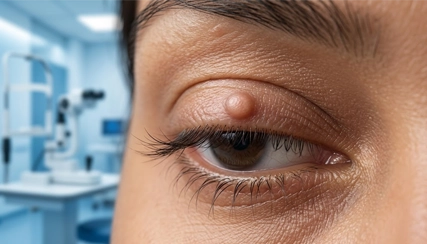
A chalazion is a painless or mildly painful lump that develops on the eyelid due to blockage of the meibomian (oil) glands. It commonly appears as a small swelling on the upper or lower eyelid and may gradually increase in size over time. Although a chalazion is usually non-infectious, untreated cases can cause eyelid discomfort, blurred vision, cosmetic concerns, and recurrent inflammation. At ASG Eye Hospital, experienced eye specialists provide advanced diagnosis and treatment for chalazion using medical and minimally invasive surgical techniques.
Symptoms of Chalazion
Common symptoms of chalazion include:
- Small lump or swelling on the eyelid
- Mild eyelid tenderness
- Redness around the eyelid
- Watery eyes
- Blurred vision if the swelling becomes large
- Heaviness of the eyelid
- Sensitivity to light
- Eyelid irritation
- Cosmetic concerns due to visible swelling
In some cases, a chalazion may become inflamed and painful if secondary infection develops.
Causes of Chalazion
Chalazion develops when the oil glands in the eyelid become blocked. Common causes and contributing factors include:
- Blocked meibomian glands
- Chronic blepharitis
- Oily skin conditions
- Rosacea
- Poor eyelid hygiene
- Previous eyelid inflammation
- Excessive eye rubbing
- Dry eye syndrome
- Recurrent styes
- Environmental dust and pollution
Maintaining proper eyelid hygiene can help reduce the risk of recurring chalazion.
Risk Factors for Chalazion
People with the following conditions may have a higher risk of developing chalazion:
- Chronic blepharitis
- Rosacea
- Diabetes
- Oily skin
- Dry eyes
- Recurrent eyelid infections
- Excessive screen exposure
- Poor eyelid hygiene
Difference Between Chalazion and Stye
Although chalazion and stye both affect the eyelids, they are different conditions.
| Feature | Chalazion | Stye |
|---|
| Cause | Blocked oil gland | Bacterial infection |
| Pain | Usually mild or painless | Often painful |
| Growth | Slow development | Sudden swelling |
| Infection | Usually non-infectious | Infectious |
| Location | Inside eyelid | Near eyelash root |
Proper diagnosis by an eye specialist is important because persistent eyelid lumps may sometimes resemble other eyelid conditions.
Complications of Untreated Chalazion
If left untreated, chalazion may lead to:
- Recurrent eyelid swelling
- Cosmetic concerns
- Blurred vision from pressure on the cornea
- Eyelid inflammation
- Secondary infection
- Multiple chalazia formation
- Chronic eyelid irritation
Large chalazia affecting vision may require prompt medical attention.
Diagnosis of Chalazion
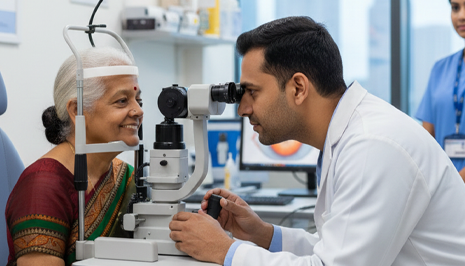
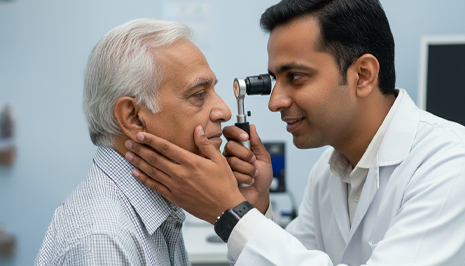
At ASG Eye Hospital, eye specialists perform a detailed eyelid examination to diagnose chalazion and rule out other eyelid conditions. Evaluation may include:
- Comprehensive eye examination
- Eyelid and gland assessment
- Slit lamp examination
- Dry eye evaluation
- Assessment for blepharitis or rosacea
Persistent or recurrent chalazia may require further evaluation to rule out underlying eyelid disease.
Chalazion Treatment Options
Warm Compress Therapy
Warm compresses are commonly recommended to soften blocked oil secretions and help the chalazion drain naturally. Patients are usually advised to apply warm compresses several times daily.
Eyelid Massage & Hygiene
Gentle eyelid cleaning and massage help improve gland function and reduce recurrence risk. Maintaining proper eyelid hygiene is essential for long-term prevention.
Medications
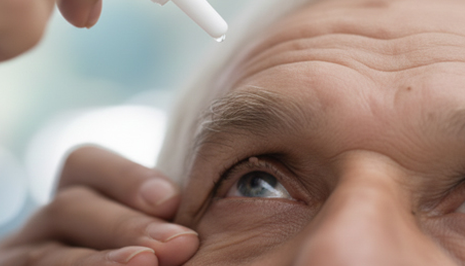
Anti-inflammatory medicines, antibiotic ointments, or eye drops may be prescribed if inflammation or infection is present.
Steroid Injection
In selected cases, steroid injections may help reduce inflammation and shrink the chalazion without surgery.
Chalazion Surgery
Persistent, large, or recurrent chalazia may require minor surgical removal. The procedure involves draining the blocked gland through a small incision and is usually performed as a day-care procedure under local anesthesia.
Recovery After Chalazion Surgery
Recovery after chalazion removal is usually quick and may include:
- Mild swelling for a few days
- Temporary eyelid discomfort
- Use of prescribed eye drops or ointment
- Warm compresses during healing
- Follow-up eye examination
Most patients resume routine activities within a short period after the procedure.
How to Prevent Chalazion
You can reduce the risk of chalazion by:
- Maintaining proper eyelid hygiene
- Avoiding rubbing the eyes
- Managing blepharitis and dry eye disease
- Removing eye makeup before sleeping
- Using clean towels and cosmetics
- Taking breaks during prolonged screen exposure
Regular eyelid care helps prevent recurring blockage of the oil glands.
Why Choose ASG Eye Hospital for Chalazion Treatment?
- Experienced eye and oculoplasty specialists
- Advanced eyelid disorder treatment
- Modern diagnostic technology
- Personalized treatment plans
- Minimally invasive surgical procedures
- Comprehensive dry eye and blepharitis management
- Trusted eye hospital network across India
ASG Eye Hospital provides comprehensive care for chalazion, eyelid inflammation, and tear gland disorders with a focus on long-term eye comfort and healthy vision.