Dengue is a disease which is known for high fever, severe body aches, headache, weakness, skin rash, and eye pain. Many patients report this as fever and eye pain which also is an early warning that the illness may be dengue. In most cases the eye pain is a part of the overall viral illness and improves as the fever breaks. But in some cases dengue does require closer watch as the disease at times affects the retina, optic nerve, blood vessels, or the inner inflammatory tissues of the eye.
In many cases it is hard for a patient to tell if a fever and eye pain is a part of dengue fever or a sign of something more serious. We see mild pain in the eyes, a feeling of pressure, and light sensitivity as common during the fever phase. But if dengue related eye issues present as blurred vision, floaters, dark spots, redness, severe pain, or sudden vision loss the patient should not wait for the fever to break. Timely ophthalmic evaluation is key to catch complications early and to protect long term vision.
Why Does Dengue Cause Eye Pain?
Dengue is a viral illness which is transmitted through mosquitoes and affects the blood vessels, the immune system, and platelet count. We see during a dengue fever episode that body inflammation reports itself as headache, muscle pain, joint pain, and eye pain. This is what we note from patients’ reports during dengue that they have fever and eye pain. The pain may be very deep behind the eyes and becomes more noticeable when the person moves their eyes.
In many of our patients what we see is that while fever and eye pain is present it doesn’t mean that permanent damage to the eye is done. It may just be the body’s response to the virus. That said severe, persistent dengue eye symptoms which also include change in vision should be taken seriously. Also dengue may cause retinal swelling, bleeding in the retina, inflammatory changes in the optic nerve or interior of the eye. These conditions require evaluation by an ophthalmologist also if the patient has diabetes, high blood pressure or past retinal disease.
Common Dengue Eye Symptoms Patients Should Know
In dengue the most reported eye issue is pain behind the eyes. Also we see that patients have reported of a feeling of pressure, tearing, redness, or light sensitivity. These eye symptoms of dengue may also present with fever, headache, nausea, rash, and body pain. For the great majority of patients the eye pain improves as the fever breaks and they become better hydrated.
When we see a fever and eye pain which is also brought about by blurred vision, floaters, flashes of light, a curtain like shadow, difficulty in reading, or sudden dimness of vision that is when we have an issue. These dengue related eye issues may point to retina or optic nerve involvement. In which case an ophthalmic exam should be done even as the general fever symptoms improve.
| Eye-related symptom during dengue | What it may mean | When to seek eye care |
| Pain behind the eyes | Common viral symptom seen with dengue fever | If pain is severe, persistent, or associated with vision changes |
| Redness or watering | Irritation, dryness, or inflammation | If redness increases or discharge develops |
| Blurred vision | Possible retinal or optic nerve involvement | Same day eye consultation is recommended |
| Floaters, dark spots, or shadows | Possible bleeding or retinal inflammation | Urgent evaluation by a retina specialist is advised |
| Light sensitivity | May occur with inflammation or general illness | Seek care if it is severe or worsening |
| Sudden vision loss | Possible serious ocular complication | Treat as an emergency |
Can Dengue Affect the Retina?
Yes there are cases which report dengue to affect the retina but that is not the most common complication. The retina is the tissue at the back of the eye which senses light, when it swells up, bleeds or becomes inflamed it affects vision. If you have fever and eye pain which is then followed by blurred vision, distorted vision or dark spots in the field of vision a retinal evaluation is important.
Some patients may report the development of maculopathy related to dengue, retinal hemorrhages, vasculitis, optic neuropathy or in fact what we see is inflammation within the eye. At the time these symptoms present which is during the illness or right after the fever breaks this may catch the patient off guard as even though they may be feeling physically better they notice their vision is not as clear as it was. A retina specialist will do an exam of the back of the eye and determine what if any treatment is required which may include watchful waiting, medications, imaging studies or in some cases more advanced eye treatments.
Fever and Eye Pain: When Is It Normal and When Is It Risky?
Mild fever and eye pain in dengue is a common set of symptoms. It may present as a pressure in the eyes which in turn may increase with eye movement. If there is no redness, no vision loss, no floaters, and no severe sensitivity to light the doctor may recommend mainly rest, hydration and close watch.
However in the case of eye pain which is one sided, very severe, or that which goes along with dengue related eye issues like blurred vision, floaters, eye swelling, pus discharge, or trouble opening the eye do not dismiss the fever and other symptoms. These may be signs of an independent eye infection, inflammation or a retinal issue. In which case patients may require treatment for eye infection or in depth eye tests based on what is found.
Who Is at Higher Risk of Dengue-Related Eye Problems?
Not all dengue patients report eye complications. In large scale cases which cause great inflammation, low platelet counts, bleeding tendency, or very serious systemic illness the risk is high. Also at great risk are patients which have preexisting retinal issues, diabetes, uncontrolled hypertension, prior eye surgery, or immune related conditions which see the development of fever and eye pain.
Dengue eye symptoms which present after the fever breaks are also a cause for concern. Many patients think they have passed the worst and ignore vision issues. What they do not know is that some eye complications may in fact be appearing at this stage of recovery. This is why we stress that any change in vision post dengue should be evaluated by an eye care professional instead of self medicating with random eye drops.
| Risk situation | Why extra caution is needed | Suggested action |
| Low platelet count during dengue | Higher chance of bleeding-related complications | Monitor vision and report any sudden change |
| Diabetes or hypertension | Existing blood vessel weakness may worsen retinal risk | Schedule an eye examination if symptoms appear |
| Blurred vision after fever reduces | May indicate retinal or optic nerve involvement | Consult an ophthalmologist promptly |
| Severe fever and eye pain | May need evaluation for inflammation or infection | Avoid self-medication and seek medical advice |
| Floaters or dark spots | May indicate bleeding or retinal inflammation | Urgent retina assessment may be needed |
| Previous retinal disease | Dengue may add stress to already vulnerable eyes | Follow up with a retina specialist |
What Eye Tests May Be Needed?
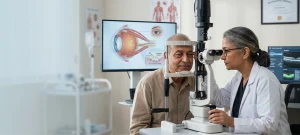
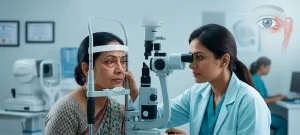
If a patient has what is classified as mild fever and eye pain which does not include vision changes, a basic eye exam will do. The doctor may test visual acuity, eye pressure, the front of the eye, and for redness or inflammation. Should dengue related eye symptoms point to deeper involvement the doctor may dilate the pupil in order to have a detailed look at the retina.
Depending on the issue at hand an ophthalmologist may recommend retinal imaging, OCT scan, fundus photography, or other tests to see if the macula, optic nerve, or retinal blood vessels are affected. We do these tests to determine if the patient requires close watch or specific ophthalmic treatment. Also in some cases we coordinate with the physician that is managing the dengue because platelet count, hydration, and general health status play a role in eye care decisions.
What Should You Avoid During Dengue Eye Symptoms?
During dengue which is when the body has the virus our patients we see should stay away from using steroids, antibiotics, or pain relieving eye drops without first consulting a health care professional. Not all red or irritated eyes are infected and in fact the wrong drop may delay proper diagnosis. If the fever and eye pain is mild we do better to have the dengue managed under medical supervision and at the same time very closely watch the eyes. Should vision change at all, get in to see an ophthalmologist for an exam before starting any treatment.
Patients should also not rub their eyes which also includes when there is redness, watering, or irritation. Rubbing in these cases will only worsen surface inflammation and increase discomfort. Also key is good hydration, rest, fever control as reported by the health care provider, and that you follow up with medical staff. If dengue related eye issues present with discharge, swelling, or very deep redness then it is best to see an ophthalmologist before deciding on a course of action.
How Are Dengue-Related Eye Problems Treated?
Treatment is based on what the eye issue is and how severe it is. With dengue we see that mild fever and eye pain often go away as the viral illness runs its course. For dryness or irritation which may present itself we may recommend lubricating drops but it is important that these be used as the eye doctor recommends. Should dengue affect the retina, the optic nerve or cause interior inflammatory issues in the eye the treatment approach we take becomes more specialized.
In some reports of dengue related eye issues we see stable vision and mild inflammation which may be monitored. In other cases we see that medicines to reduce inflammation or more frequent follow up with a retina specialist is required. What is key is that treatment must be tailored to the patient. Two people may present with fever and eye pain but one may do fine with just reassurance while the other may require in depth retina evaluation and advanced eye treatments.
When Should You Visit an Eye Hospital?
You should visit the ophthalmologist if you have severe eye pain which doesn’t improve as the fever breaks, or if you see any change in your vision. Warning signs include blurred vision, floaters, flashes, dark spots, redness in the eye, sensitivity to light, swelling at the eye, or sudden loss of vision. These dengue related eye symptoms should not be treated with home remedies.
In certain cases of patients with diabetes, low platelet count, bleeding in other areas, or past history of retinal issues, timely medical evaluation is key. Eye examination early may also help identify which complications have developed which may not be that easy to treat at later stages. While the final diagnosis may end up being mild, what we gain is the security of knowing and the relief of ruling out what could have been serious issues.
Vision Care Tips During and After Dengue
During dengue recovery one’s strength is at a low point and you may experience tired, dry eyes or sensitivity to light. We ask that you steer clear of screen time if it worsens symptoms. Also do keep in to see your doctor for follow up and report any fever or eye pain that you may have. Should the doctor order blood tests for dengue that is fine but also do bring those reports to the eye doctor as they will help to gauge the total risk.
After dengue symptoms subside patients should still be alert to eye related issues which may present in the coming days to weeks. Blurred vision, distorted lines, reduced color intensity, or a new blind spot should not be put past them. At first these may present very subtly, also if they present in only one eye. Patients can use the technique of covering one eye at a time and see how the clarity of vision changes which may help in noticing any change early on, but this should not take the place of a full professional examination.
Eye Care at ASG Eye Hospital
At the ASG Eye Hospital we see patients with eye pain and fever in which we try to determine if the discomfort is from dengue fever, a surface eye issue, an eye infection, or retinal complication. We do not only provide relief from symptoms but also work to protect vision. Should we see signs of dengue related to the retina we will refer the patient in a timely manner to a retina specialist which in turn will guide the care moving forward.
ASG Eye Hospital provides a full range of eye care services for patients with redness, eye pain, blurred vision, retinal issues, and infection related complaints. In which we see discharge, swelling or that there is a case of infection we recommend appropriate treatment after evaluation. Also patients that had dengue and notice new or more severe eye issues should come in at first signs of those symptoms.
Key Takeaways
Eye complaints which include fever are reported often in dengue, in particular behind the eyes. It improves in most cases as the fever breaks. But we also see vision issues like blurry vision, floaters, dark spots, very red eyes or acute vision loss which require prompt medical attention.
Dengue at times affects the retina, optic nerve, or internal eye structures. This is the reason why eye pain associated with fever should be watched out for very carefully in patients with low platelet count, diabetes, hypertension, or prior retinal disease. Early exam, accurate diagnosis, and prompt eye treatment can make a difference in preserving vision.
Frequently Asked Questions
1. Can dengue cause eye pain with fever?
Yes. Dengue which presents with eye pain along with fever is common; this includes pain in the back of the eyes. Also reported are headaches, body aches, joint pain, skin rash, nausea, or fatigue. In case of mild pain and normal vision it may go away as dengue runs its course. But if the eye pain is severe or there are changes in vision an eye exam is recommended.
2. What are the common eye-related signs of dengue?
Common dengue symptoms are pain behind the eyes, redness, watering, light sensitivity, blurred vision, floaters, and dark spots in vision. During fever mild symptoms may present but should notice any sudden or drastic eye related symptoms of dengue which should be checked out by an ophthalmologist.
3. Can dengue cause blurred vision?
Yes in some cases dengue does cause blurred vision when the retina, optic nerve, or internal eye structures are affected. Blurred vision post dengue is a cause for concern and should be reported to a health care professional especially if it presents with eye pain, fever, floaters, or dark spots. A referral to a retina specialist may be required for in depth evaluation.
4. Is eye pain in dengue dangerous?
Eye pain in dengue is not at all serious. Mild eye pain with fever is a usual symptom of dengue. What is of issue is when the pain is severe, one sided, constant, or associated with eye related signs of dengue which includes vision loss, redness, swelling, or floaters.
5. When should I visit an eye doctor during dengue?
You should see an eye specialist if eye pain with fever doesn’t go away, if your vision becomes blurred, or if you notice floaters, flashes, dark spots, redness, or swelling. Patients with diabetes, low platelet count, or past retinal disease should seek care early.