Many report that by the end of the day one eye will drop or that double vision sets in at the end of a long work shift. At first we attribute these to fatigue, excessive use of screens, or not getting enough sleep. But in some cases what may present as a minor issue is in fact an early sign of myasthenia. As the disease mainly attacks the muscles which move the eyes and cause eye lid elevation it is usually identified in an eye exam before a neurology visit.
Ocular myasthenia is a form of myasthenia gravis which only affects the eye muscles. Though it starts out with very mild symptoms it is important for early diagnosis because some of us may go from having only eye related symptoms to also developing issues with other muscles in the body. Knowing what to look for and getting in to see a doctor at the first sign can greatly improve results and quality of life.
What Is Ocular Myasthenia?
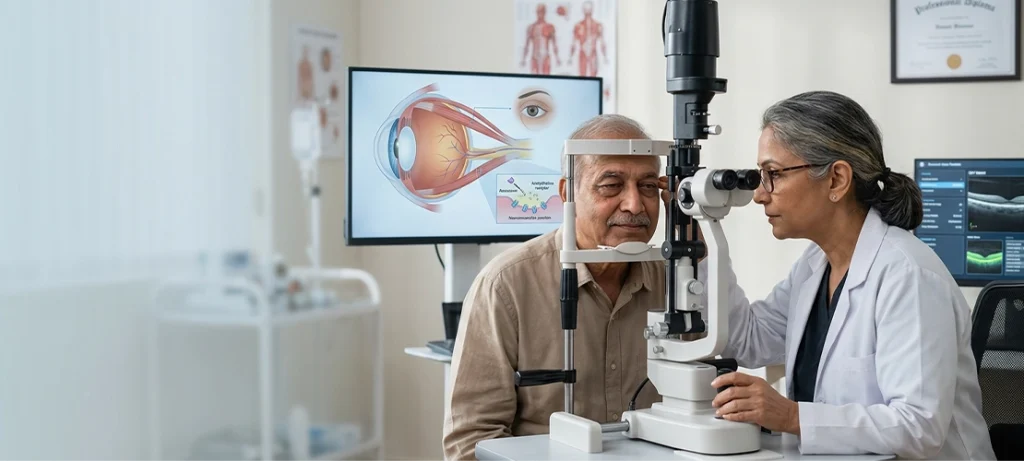
Ocular myasthenia is a type of autoimmune neuromuscular disorder which sees the body’s immune system attack the nerve muscle junctions. This in turn does not allow muscles to receive nerve signals properly which in turn causes fatigue and weakness. In ocular myasthenia it is the muscles which control eye movement and eyelid position that are affected. As opposed to generalized myasthenia gravis which affects the body as a whole, ocular myasthenia is contained to the eyes. Also we see that this condition has variable symptoms which fluctuate and tend to worsen with activity and improve with rest. Also because of the involved weak eye muscles patients may notice that their symptoms change through out the day.
Why Does Ocular Myasthenia Affect the Eyes First?
The eye muscles are a very active group in the human body. At all times we are using them which in turn causes them to constantly maintain focus, coordinate eye movement, and keep the eyelids open. What we see is that the eye muscles’ constant activity causes the weak ones to show symptoms before many of the other muscle groups do. In people with ocular myasthenia the affected muscles very quickly become tired. Also they may see their symptoms get worse by the end of the day or after extended visual tasks like reading, driving, or computer work.
Early Symptoms of Ocular Myasthenia
At the onset Ocular Myasthenia is usually a very subtle condition. Many report one eye appears lower than the other, which may present at the end of the day. Also we see intermittent double vision which goes away after a period of rest. What we see is that weak eye muscles have trouble with proper alignment which in turn may present as double vision. Also patients may have difficulty in focus, eye strain or fluctuating blurred vision which changes through out the day. A tell tale feature of this is variability of symptoms. May be minimal in the morning but by evening they may have worsened. This fluctuating pattern is a help in doctors differentiating Ocular Myasthenia from other ophthalmic issues.
Common Symptoms of Ocular Myasthenia
| Symptom | How It Appears |
| Drooping eyelid (Ptosis) | One or both eyelids droop, especially later in the day |
| Double vision | Images appear duplicated due to poor eye alignment |
| Eye fatigue | Increased tiredness after reading or screen use |
| Variable vision | Symptoms change throughout the day |
| Difficulty maintaining gaze | Eyes tire when looking in one direction |
Who Is at Risk?
Ocular myasthenia affects all age groups. In younger women and older men we see a more common presentation of the disease, although it may present in anyone. Also people with other autoimmune disorders may have a slightly higher risk. As this is a disease related to immune system malfunction which in turn is influenced by a number of factors that include infections, stress, some medications, and lack of sleep which in turn can bring out the symptoms related to ocular myasthenia.
How Is Ocular Myasthenia Diagnosed?
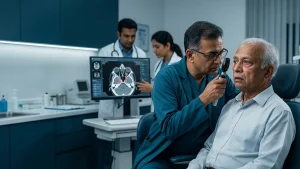
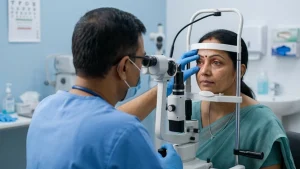
Diagnosis of ocular myasthenia usually requires a mix of clinical exams and special tests. An ophthalmologist looks at lid position, eye movement, and signs of muscle fatigue. As weak eye muscles may at times perform within normal limits during part of the exam, repeat assessments are at times hard. Blood work can identify antibodies related to myasthenia gravis. Electrophysiological tests may also be used to study nerve to muscle communication. We may also order imaging studies which in turn may include the assessment of the thymus gland which plays a role in autoimmune conditions. Those present with ocular myasthenia are often referred to specialists in neuro ophthalmology which in turn will do an in depth neurological and ocular eval.
Conditions That Can Mimic Ocular Myasthenia
Some eye disorders present like ocular myasthenia which is why proper diagnosis is key. Thyroid eye disease, cranial nerve issues, age related ptosis, and certain neurologic disorders may cause symptoms which are the same as that of myasthenia. Also the fluctuating aspect of the symptoms and the weak eye muscles often are what help specialists to determine between ocular myasthenia and other conditions.
Ocular Myasthenia vs Other Eye Conditions
| Condition | Key Difference |
| Ocular Myasthenia | Symptoms worsen with fatigue and improve with rest |
| Thyroid Eye Disease | Usually associated with thyroid dysfunction and eye bulging |
| Cranial Nerve Palsy | Often causes persistent rather than fluctuating double vision |
| Age-Related Ptosis | Typically does not fluctuate throughout the day |
| Stroke-Related Eye Problems | Usually accompanied by other neurological symptoms |
Can Ocular Myasthenia Progress?
Although at first only the eyes are affected in cases of myasthenia some patients go on to develop generalised myasthenia gravis. This tends to be more a feature in the first few years after diagnosis. Thus it is important to have regular check ups. Early recognition of extra ocular symptoms allows for timely treatment which in turn reduces complications. Patients with weak eye muscles which persist should keep up regular follow up appointments with their care specialists.
Treatment Options for Ocular Myasthenia
Treatment of ocular myasthenia is aimed at improving muscle function, reducing symptoms, and preventing disease progression. What we do depends on the severity of your symptoms, your age, and your health. We commonly use medications which improve the communication between nerves and muscles. In some cases we may recommend immunosuppressive medications to reduce the autoimmune response which is causing the ocular myasthenia. For double vision which is really bothering you we may prescribe temporary prisms or eye patches. Also we may look at more advanced eye treatments which best fit the individual patient. Patients report great improvement in daily function when they start treatment early.
Living with Ocular Myasthenia
Living with ocular myasthenia means to be aware of what triggers symptoms and to learn how to deal with fatigue. Proper sleep, stress management, and regular follow up appointments play a key role in symptom control. As weak eye muscles fatigue out faster than that of healthy muscles it is helped to take breaks during reading or computer work which in turn reduces discomfort. Also it is best for patients to tell health care providers about their diagnosis before starting any new medication as some drugs may have worse symptoms. With the right care many people with ocular myasthenia do go on to live active and productive lives.
When Should You See an Eye Specialist?
Any unaccounted for drooping of the eyelids, recurrent double vision, or signs of weak eye muscles should be brought to prompt attention. Early diagnosis of ocular myasthenia is key to not have unnecessary delays in treatment which in turn improves long term results. In neuro ophthalmology specialists are very experienced in the evaluation of patients with what may be ocular myasthenia which at the same time may present with symptoms that also see to neurological disorders.
Ocular Myasthenia Care at ASG Eye Hospital
At ASG Eye Hospital we present to you a full scale evaluation of our myasthenia patients via our state of the art diagnostic tools and multi disciplinary care team. We have specialists which look at signs of weak eye muscles, we do in depth analysis of the neurological causes and we develop very individualized treatment plans. We provide excellence in neuro ophthalmology care and access to advanced eye treatments which we use to improve our patients’ vision, comfort, and quality of life.
Key Takeaway
Ocular myasthenia is a disease which is autoimmune in nature and which mostly goes after the eye muscles. At first it may present as a droopy eye lid, double vision, and fatigue which is a result of weak eye muscles. Also because symptoms may vary and present like other eye conditions, prompt evaluation is key. With early diagnosis, specialist care and proper treatment most patients with ocular myasthenia do well in managing their symptoms and in turn are able to maintain their daily activities.
Frequently Asked Questions
1 What is ocular myasthenia?
Ocular myasthenia is a type of myasthenia gravis which affects only the muscles which control eye movement and eyelid position, which presents with symptoms like drooping of the eyelids and double vision.
2 What are the first signs of ocular myasthenia?
Early symptoms of this may include fluctuating droopy eyelids, double vision, eye fatigue, and difficulty in maintaining eye alignment through out the day.
3 Can ocular myasthenia go away on its own?
While symptoms do vary, in general for ocular myasthenia a medical evaluation and treatment is required. Also early intervention often improves symptoms and in turn the progression of the disease.
4 Are weak eye muscles always caused by ocular myasthenia?
No. That is not always the case, weak eye muscles also may be a result of nerve disorders, thyroid eye disease, and age related changes. A detailed exam is key for an accurate diagnosis.
5 Is ocular myasthenia serious?
Ocular myasthenia does very much so affect vision and quality of life. Though many do respond well to treatment, regular follow up is important as some cases may progress beyond the eyes.
6 Which specialist treats ocular myasthenia?
Patients are often evaluated by ophthalmologists and specialists in neuro ophthalmology, who are trained to diagnose and manage conditions affecting both vision and the nervous system.