A droopy eyelid at first may just appear to be a small thing but in some it will affect vision, comfort, confidence and also daily activities. Ptosis is the term which we use in medical terms for a lower than normal upper eyelid. A mild case of drooping eyelid may just be a cosmetic issue but in more severe cases the drooping eyelid may cover the pupil and thus reduce the field of vision.
Many people bring their concerns to ASG Eye Care that they have an unequal look to their eyelids or that one eye has a tired appearance. In kids a drooping eyelid requires special notice as it may play a role in normal visual development. In adults ptosis may develop slowly as we age or may appear suddenly due to nerve or muscle issues, injury, or health conditions. We see that the symptoms, ptosis causes, and what treatments are available is important for patients to know which in turn will help them determine when to seek out care.
What Is Ptosis?
Ptosis is the condition in which the upper eyelid sags. It affects a single eye or both at the same time which may present as a mild or serious case that at it’s worst will block vision. In a healthy eye the upper eyelid is raised by a muscle which is known as the levator muscle. Should this muscle be weak, stretched, under developed, or damaged by nerves the eyelid may sit lower than usual.
A drooping eyelid at birth is not uncommon which may also present itself as an adult. Some see that the issue of droopy eyelid worsens by the end of the day which is a result of muscle fatigue. Also some may see this condition develop over time as the tissue in the drooping eyelid weakens with age. As ptosis, which is the medical term for this, has many causes, the treatment we choose will depend on the patient’s age, the degree of the issue, eye health, and if vision is affected.
Symptoms of Drooping Eyelid
The primary sign is that the upper lid appears to drop. Also as the drooping eyelid it may in turn cause issues with light which get to the eye. Some patients will report that they have to raise their brows constantly or tilt their head back in an attempt to see better. This may lead to forehead strain, tiredness, and neck pain.
In kids a drooping eyelid may cause the child to raise the chin when looking ahead. If the lid covers the pupil the brain may not get a clear image from that eye which in turn increases the risk of lazy eye also known as amblyopia. In adults a drooping eyelid may cause issues with reading, driving, computer work and walking in dim light.
| Symptom | What the Patient May Notice |
| Lower upper eyelid | One or both eyelids appear uneven, tired, or heavy |
| Reduced field of vision | Difficulty seeing objects above or straight ahead |
| Forehead strain | Constant eyebrow lifting to keep the eyelid open |
| Head tilt | Tilting the head back to see under the eyelid |
| Eye fatigue | Tiredness while reading, working, or using screens |
| Vision risk in children | Possible lazy eye if the pupil remains covered |
Common Ptosis Causes
There are many ptosis causes and it is important to identify the exact cause before determining treatment. In adults age related stretching of the eyelid lifting muscle or its tendon is the most common issue. This may happen over time naturally or as a result of long term contact lens use, eye surgery, or repeated lid rub.
In children a condition of drooping eyelid is often a birth defect, that is to say the child is born with it. This usually results from improper development of the levator muscle. Also among ptosis causes with the nerves, muscle disorders which include myasthenia gravis, eye injury, swollen lids, tumors, and prior eye surgery.
A sudden drooping eyelid should not be dismissed also if it is associated with double vision, head pain, different size in the size of the pupils, weakness, or eye movement issues. These symptoms may be a sign of a neurological issue which requires immediate medical care.
| Type of Ptosis | Common Cause | Typical Patient Concern |
| Congenital ptosis | Poor development of the eyelid lifting muscle | Child has eyelid drooping from birth |
| Age-related ptosis | Stretching or weakening of the levator tendon | Eyelid gradually becomes lower with age |
| Neurogenic ptosis | Nerve-related conditions such as third nerve palsy or Horner syndrome | Sudden eyelid droop, sometimes with double vision |
| Myogenic ptosis | Muscle disorders such as myasthenia gravis | Eyelid drooping may worsen with fatigue |
| Mechanical ptosis | Eyelid swelling, tumors, or excess lid weight | Heavy eyelid or visible lid swelling |
| Traumatic ptosis | Injury to eyelid muscles or nerves | Eyelid droop after accident or surgery |
Is Drooping Eyelid Harmful?
A mild case of drooping eyelid may not be an issue if it doesn’t impact vision or produce symptoms. But should the eyelid cover the pupil or the top section of the visual field we see that it has become more of an issue than a cosmetic thing. Patients may have trouble with reading, driving, climbing stairs, or going about their work.
In kids a drooping eyelid is a bigger issue as the visual system is still in development. If the lid covers vision for a long time the affected eye may not develop properly. This can cause amblyopia, refractive errors, or abnormal head posture. That is why we should catch ptosis at moderate to severe stages in children and get them in to see an eye specialist early.
In adults the issue is usually of a functional and quality of life nature. A drooping eyelid may cause a tired or sleepy look to the face which in turn may also produce visual problems. When ptosis impacts daily routines proper eyelid drooping treatment may improve both vision and appearance.
When Should You See an Eye Specialist?
You should consult an eye specialist if the eyelid droop is new, worsening, affecting vision, or in a child. Also it is important to seek medical care if ptosis comes on suddenly or is associated with double vision, headache, eye pain, unequal pupils, weakness, or recent injury.
A in depth evaluation which determines if the drooping eyelid is from age related changes, congenital muscle weakness, nerve issues, or some other eye problem. We may also do a check of eyelid height, eyelid muscle movement, eye movement, pupil reaction, vision, refraction, and eye surface health. In kids we also look for amblyopia and refractive errors.
How Ptosis Is Diagnosed
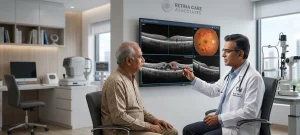
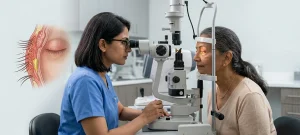
Diagnosis starts with a clinical evaluation which is in depth. The doctor measures the position of the upper lid and the function of the levator muscle. We look at the position of both eyes and also note if the drooping eyelid changes with fatigue or movement of the eye. At times we take photos to document the extent of the issue and to use in planning treatment.
The evaluation will also include vision testing, eye pressure testing, pupil assessment and a detailed review of medical history. Also if a nerve or muscle disorder is noted we may need to do more tests or refer to another specialist. We aim at not only confirming the diagnosis of ptosis but also to determine the base of the ptosis causes which in turn will help us to plan the best treatment.
Eyelid Drooping Treatment Options
The right eyelid drooping treatment based on the degree of ptosis and the cause. If the drooping eyelid is mild, stable, and not affecting vision, observation may be enough. In some patients we may use glasses that include a ptosis crutch which helps to lift the lid, a useful alternative to surgery in which case it is not an option.
In the case of a medical issue which is the cause, for instance myasthenia gravis or any other nerve or muscle disorder, treatment should go to the root of that disease first. When the drooping eyelid affects vision, causes strain, or is a large functional issue ptosis surgery may be recommended.
What Is Ptosis Surgery?
Ptosis surgery is done to bring the upper eyelid into a better position. We aim to improve visual field, reduce strain, and achieve a more balanced look of the eyelid. What method of surgery is used is determined by the strength of the eyelid lifting muscle, the cause of ptosis, the patient’s age, and if the issue is with one or both eyelids.
In many patients we see that which is done in ptosis surgery is the tightening or reattachment of the levator muscle or tendon. In severe cases of congenital ptosis in which the levator muscle is very weak we may attach the eyelid to the brow muscle with a sling procedure which in turn is helped by the movement of the brow.
Most adult procedures use local anesthetic which is not the case for young kids which may require general anesthetic. After ptosis surgery patients may see some swelling, bruising, dryness, or have temporary issues with eye closure. Also, for the most part these issues improve over time with the proper aftercare.
Recovery After Ptosis Surgery
Recovery time is variable for each patient, but what we see is that the majority go home the same day after the procedure. We see that mild swelling and bruising is a very common thing in the first week. Also the doctor may put in use lubricating drops and ointment, cold compresses, and will schedule follow up visits to check on the healing. It is advised that patients do not rub the eye, do not do heavy exercise, swimming, or expose the eye to dust until the doctor says that healing is going well.
The last eyelid position may take up to several weeks for full achievement. In some cases we see that minor asymmetry, under correction or over correction occurs which in turn will require more treatment. Choosing an experienced eye specialist is important because eyelid height, eye closure, tear film, and cosmetic balance all need careful planning.
Can Ptosis Be Treated Naturally?
Many patients ask whether a drooping eyelid can be covered with exercises, massage, or home remedies. In fact for true ptosis that is caused by weak, stretched, or underdeveloped eyelid muscles that which does not go away naturally is not treatable. While warm compresses and lubricating drops may help with the issue of dryness which may present in this condition they do not in fact raise the eyelid.
If ptosis is mild and not affecting vision the doctor may recommend observation or supportive measures. When the drooping eyelid is a problem for vision or causes symptoms medical evaluation is required. Delay in care in the case of children may increase the risk of permanent visual issues.
Ptosis Care at ASG Eye Care
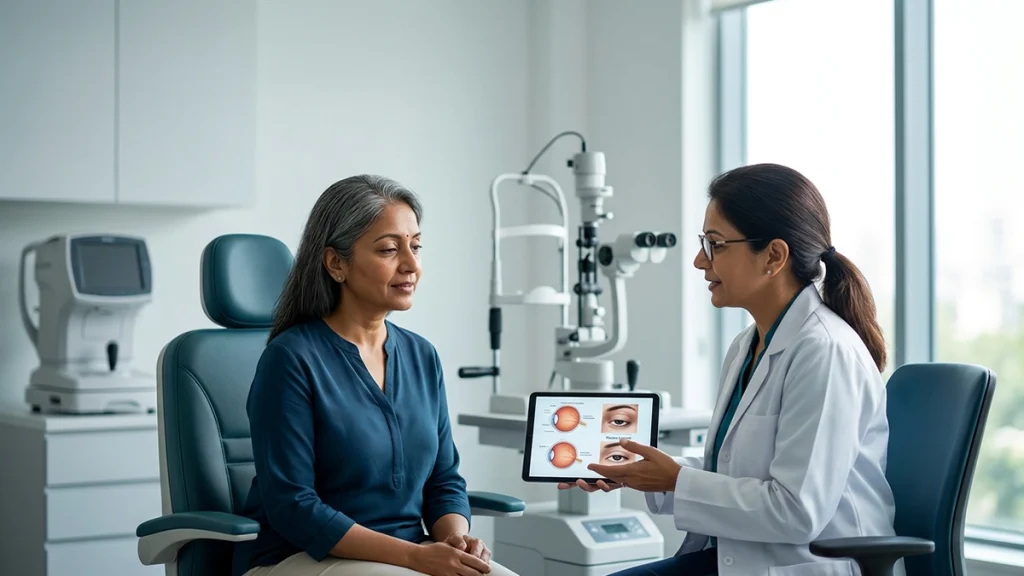
At our ASG Eye Care we see patients with drooping eyelid and we pay very close attention to their vision and eyelid function. We evaluate the degree of ptosis, muscle strength of the lid, eye movement, do refraction tests and also look for any related eye conditions before we present our treatment options. We aim to determine the root cause and put forth a safe and practical treatment plan.
For in some cases we see that monitoring or no surgical intervention is enough. For other patients eyelid drooping treatment may include medical management or ptosis surgery. If you or your child is affected by a drooping eyelid which in turn is affecting vision, appearance, comfort, or confidence we recommend you see an eye specialist to clarify the best step forward.
Key Takeaway
A drooping eyelid is an issue which may not present itself as a purely cosmetic concern. In some people it may be minimal and harmless, in others though it may cause vision impairment, eye strain, or affect visual development in children. We see that ptosis causes, identifying warning signs, and getting early eyelid drooping treatment can protect vision and improve quality of life. When required, ptosis surgery is a solution which when performed by an experienced eye specialist will give long term correction and improved lid function.
Also read : Ptosis Treatment, Ptosis (Droopy Eyelid) Treatment in India
Frequently Asked Questions
1. What is a drooping eyelid?
A drooping eyelid is a condition in which the upper eyelid sits lower than it should. It may present in one eye or in both. In mild cases it is just a cosmetic issue but in more severe cases it can cause vision blockage and eye strain.
2. What are the common ptosis causes?
Common ptosis causes are aging, weak eyelid muscles, congenital muscle issues, nerve disorders, trauma, long term contact lens use, past eye surgery, and also certain health conditions like myasthenia gravis.
3. Can a drooping eyelid affect vision?
Yes. A drooping eyelid which covers the pupil or which narrow the top field of view may affect vision in which it does. In kids it may interfere with visual development and may raise the risk of lazy eye.
4. What is the best eyelid drooping treatment?
The best eyelid drooping treatment is based on what is causing it and the degree of the issue. In mild cases only watchful waiting may be required, in more severe cases surgery may be required. Also if a health condition is causing the ptosis that should be treated first.
5. Is ptosis surgery painful?
Ptosis surgery is done under anesthesia which is to say that patients do not feel pain through the process. Some swelling, bruising, dryness or mild discomfort may happen during recovery which for the most part is manageable with what is prescribed.
6. When should I visit an eye specialist for ptosis?
You should see an eye specialist if the lid droop is sudden, is getting worse, affects vision, is present in a child, or is along with double vision, headache, eye pain, unequal pupils, or weakness.