A red, watery or sticky eye is a temporary issue which may pass on its own but also may be the first signal of a health issue which requires quick care. Some minor infections improve with proper hygiene and supportive measures but others may affect the cornea or the tissue which supports the eye and may put vision at risk. The best choice of action depends on the degree of your eye infection symptoms, how fast they are changing and if you have risk factors like wearing contacts, recent eye surgery, injury or a weakened immune system.
The purpose of Eye Infection Treatment is to determine the cause, protect the delicate eye structures and to prevent complications. It is common for viral, bacterial, fungal and noninfectious issues to present in a like manner, which means that prescribing drops before a diagnosis is made may delay proper care.
Why an Eye Infection Can Be Difficult to Judge at Home
Allergy, dry eye, eyelid inflammation, smoke and foreign particles can present with signs of an infection. The CDC reports that symptoms of conjunctivitis are similar for many cases which is why a diagnosis is important. Eye Infection Treatment is based on what is causing it. Antibiotics are not going to help with viral causes, allergies or irritation, in fact a corneal infection may require immediate prescription treatment. Note pain, vision changes, light sensitivity, discharge, swelling and time duration of symptoms in determining which Eye Infection Symptoms require a visit to the doctor.
Common Symptoms and What They May Mean
Typical Eye Infection Symptoms include redness, wateriness, itchy eyes, a burning sensation, swollen eyelids, a grating or sandy feeling and discharge. Also reports that the eyelids may stick together after sleep from dry discharge which has collected along the eyelashes. Also we may see large amounts of discharge with viral conjunctivitis or irritation, and thick discharge may point to a bacterial infection. Very strong itching is a feature of allergy. As symptoms cross over between different conditions, discharge color alone can’t determine Eye Infection Treatment.
| What you notice | What it may indicate | Sensible next step |
| Mild redness, watering and irritation without pain or vision change | A mild surface condition, viral conjunctivitis, allergy or irritation | Maintain hygiene and seek advice if it persists or worsens |
| Thick discharge and repeatedly sticky eyelids | Possible bacterial conjunctivitis | Arrange an eye assessment if symptoms are significant or ongoing |
| Pain, light sensitivity or persistent blurred vision | Possible corneal involvement or another serious condition | Seek prompt medical assessment |
| Swelling around the eye, fever or difficulty opening the eye | Infection or inflammation beyond the eye surface | Obtain urgent medical care |
| Redness and pain while wearing contact lenses | Possible microbial keratitis | Remove lenses and seek same-day eye care |
| A red or discharge-filled eye in a newborn | A condition requiring immediate assessment | Contact the baby’s doctor promptly |
These urgency indicators are consistent with public-health guidance from the CDC, National Eye Institute and NHS. Usually Need Medical Attention
Moderate to severe pain is a clear sign that you should seek care. With uncomplicated conjunctivitis you may see mild grittiness but at the same time large scale pain is a cause for concern which may in fact be due to corneal disease, internal eye inflammation or some other condition that requires emergency Eye Infection Treatment. The National Eye Institute says you should see a doctor for a medical review if pink eye is associated with moderate to severe pain, blurry vision, light sensitivity or redness. briefly may blur vision which should return to normal after a blink or a good clean of the eye. But persistent or that which is getting worse, flashes of light, halos around lights or new floaters are Eye Infection Symptoms that require a timely exam.
Sensitivity to light, which is what photophobia is, requires attention when it is with pain or visual change. The CDC reports light sensitivity, persistent blurred vision, intense redness and that symptoms are getting worse as reasons to take in to see a doctor for conjunctivitis. When to See an Eye Doctor is important because some serious conditions present initially as a common red eye.
Care is also needed when symptoms worsen, persist or fail to respond to prescribed medicine. Eye Infection Treatment may then require review or testing.
Eye Infection Causes and Their Effect on Treatment
Common Eye Infection Causes are from viruses, bacteria, fungi and also from time to time from parasites. Infection may affect the conjunctiva, eyelid, cornea or the tissues which surround the eye. The agent and site of infection determine the urgency and review of Common Eye Infection Causes which in turn guides the next step.
Viral conjunctivitis is spread by contaminated hands and shared items. Bacteria may cause thicker discharge in which case and fungi may result from trauma which includes contact with soil or plant material. The CDC says to seek professional care right away for what may be a fungal eye infection. Also include poor lens care, wearing lenses to sleep, water exposure, shared make up for the eyes and touching the eyes with unwashed hands. Also surgery, trauma and a weak immune system play a role. This information guides Eye Infection Treatment and what tests to run.
Not all red eyes are infectious. Allergy, dryness, chemical exposure and smoke can inflame the eye without germs. Correct Eye Infection Treatment therefore depends on identifying the real Eye Infection Causes, rather than automatically using antibiotic drops.
Why Contact Lens Wearers Need Faster Assessment
A serious issue of red eye for contact lens wearers which requires attention. Contact lenses which are improperly cared for may house organisms which in turn may cause an infection to develop rapidly. Microbial keratitis causes pain to increase, blurred vision, tearing, light sensitivity or may present with a small white spot in the cornea. At Moorfields Eye Hospital we report a red and painful eye which also may have blurred vision and a sensation of something still in the eye. Do not reuse lenses and do not till an eye specialist says it is safe. Also keep your lens case and solution for possible investigation. These eye infection symptoms should not be delayed until morning.
For contact lens users, When to See an Eye Doctor is clear: arrange same-day care when redness occurs with pain, persistent blurring, light sensitivity or discharge. Early Eye Infection Treatment may help prevent corneal scarring and permanent visual loss.
How an Ophthalmologist Chooses the Right Treatment
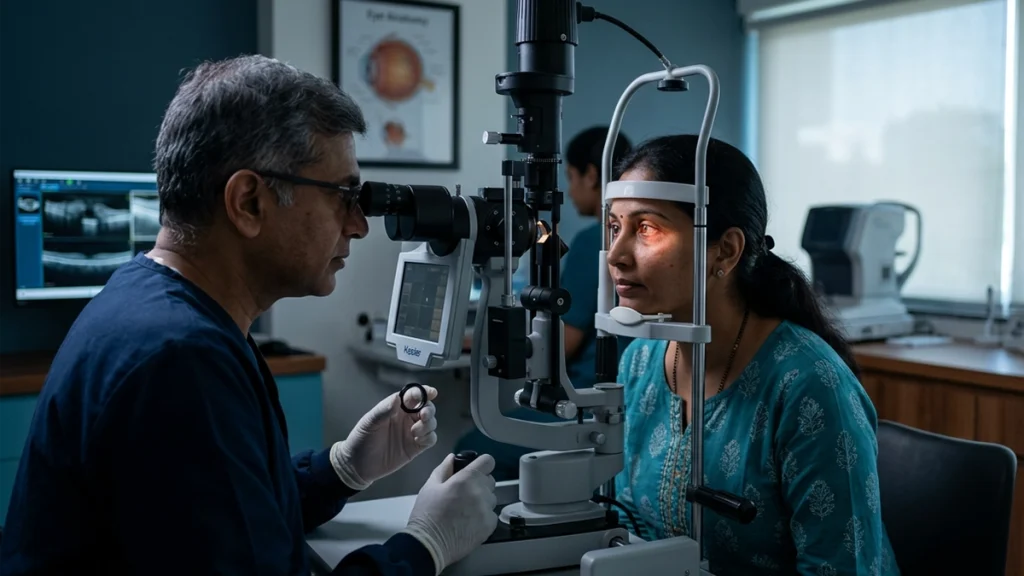
The ophthalmologist asks about onset, affected eyes, illness, lens habits, injury, surgery and medicines. Vision is checked, the eye is examined under magnification and fluorescein dye may reveal corneal damage.
For serious, atypical or persistent infection discharge or corneal scraping may identify the agent which in turn will guide Eye Infection Treatment, also in a case of suspected ulcer or when the first round of medicine has failed.
The Eye Infection Treatment may consist of lubricating drops, compresses, antibiotic drops or ointment, antiviral medicine, antifungal medicine or care related to eyelid disease. As Eye Infection Causes are many, do not borrow or share another person’s prescription.
| Diagnosis or situation | Usual care approach | Why medical guidance matters |
| Viral conjunctivitis | Supportive care, hygiene and monitoring | Antibiotics do not treat viruses, and some viral eye diseases need specialist care |
| Suspected bacterial conjunctivitis | Antibiotic drops or ointment may be prescribed | A clinician considers severity, age, risk factors and examination findings |
| Corneal infection or ulcer | Urgent intensive prescription treatment and close review | Delay can lead to corneal scarring, thinning or vision loss |
| Fungal or parasitic infection | Organism-specific medicine, often for longer periods | These infections can be difficult to diagnose and may resist routine drops |
| Eyelid infection or inflammation | Lid hygiene, compresses and medicine when indicated | Treatment depends on whether the problem is infectious, inflammatory or gland-related |
| Allergy or irritation | Lubrication, allergen control or anti-allergy treatment | Antibiotics will not correct a non-infectious cause |
The treatment approach must match the diagnosis; official guidance notes that care varies with the cause and severity. Before Your Appointment
Wash up before and after handling the eye. For each eye use different clean pads and do not share towels, cosmetics or drops. These measures reduce the spread when you are contagious with Eye Infection Causes. Out of use contact lenses and eye make up, avoid rubbing and instead use a clean cool compress for comfort. See a health care provider at once when serious Eye Infection Symptoms present.
Do not use steroid or leftover antibiotic drops without advice; they may worsen infection, hide progression or be contaminated. Safe Eye Infection Treatment starts with diagnosis.
When to See an Eye Doctor Without Delay
Many people wonder When to See an Eye Doctor because they do not want to overreact. For Eye Infection Treatment seek immediate care when there is pain, persistent blurred vision, great light sensitivity, very red eyes, increase in swelling or your symptoms are getting worse. Also acute assessment is required after chemical exposure, an eye injury or a think you have a foreign object in your eye.
The issue of When to See an Eye Doctor and Eye Infection Treatment is for contact lens wearers, people with low immune systems, patients that had recent eye surgery and any which have only one functional eye to address early. Also report at once for newborns which present with redness, swelling or discharge. The National Eye Institute reports that in newborns pink eye may cause serious issues and that you should get in touch with the baby’s doctor at once for atypical discharge or puffy red eyelids. Timely visit to the Eye Doctor is still a must after you have started medication. Report back for re-evaluation if pain develops, vision changes, redness gets worse or the prescribed treatment does not help. The CDC says to seek medical review when bacterial pink eye has not improved after 24 hours of antibiotic use. d Treatment Affect Vision?
Many surface infections recover fully, but a corneal infection can ulcerate and scar. Infection around the eye may also spread into deeper tissues.
Prompt Eye Infection Treatment means identifying risky cases at the right time. Changes in Eye Infection Symptoms matter more than one photograph.
Risk depends on the organism, affected tissue and the patient’s health. Understanding Eye Infection Causes explains why observation is safe for some cases but not others.
Frequently Asked Questions
1. Can a mild eye infection clear without antibiotics?
Some viral and some mild bacterial infections will run their course without the use of antibiotics at which point the cause may not be clear. Eye Infection Treatment should be based on what is found at the exam and the risk to the patient. See care if you have pain, visual changes, very red eyes or if your symptoms are getting worse.
2. How long should I wait before getting the eye checked?
Mild irritation without pain or visual change may be watched briefly. When to See an Eye Doctor becomes urgent with persistent blurring, painful light sensitivity, increasing swelling or deterioration.
3. Is thick discharge always caused by bacteria?
No. Thick discharge is a sign of bacteria but does not confirm it. For an accurate diagnosis of Eye Infection Symptoms and which Eye Infection Treatment to use we may need to do an exam.
4. Can I use old antibiotic eye drops?
Do not use leftover drops without advice. They may be expired, contaminated or wrong for the current Eye Infection Causes, delaying correct care.
5. Are eye infections contagious?
Viral and bacterial conjunctivitis can spread through hands and shared items; allergic or irritant red eyes are not contagious. Maintain hygiene while Eye Infection Treatment is arranged.
6. Should a child with a red or sticky eye see a doctor?
Seek out care for a child that has pain, light sensitivity, visual change, large amount of swelling, fever or is seeing worse redness. A newborn with discharge requires quick care.When to See an Eye Doctor matters when children cannot explain discomfort.
7. Can an eye infection permanently affect vision?
Most surface infections recover, but corneal or deeper infections can threaten sight. Persistent visual change is one of the Eye Infection Symptoms that requires early Eye Infection Treatment.