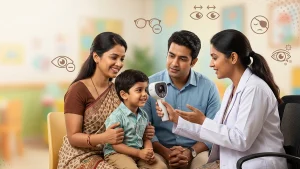
A child that reports to you that their eyes are itchy, which is accompanied by puffy eyelids upon waking, or which you notice at home, may also have what we term as a case of eye allergies in children. Often parents do not recognize this for what it is a type of allergy which we call allergic conjunctivitis which is an inflammatory response of the tissue that covers the globe of the eye and the inside of the lid.
When exposure to an allergen of the eye’s surface occurs the immune system responds by releasing histamine as well as other inflammatory chemicals. We see redness, swelling, watering, and intense itching as a result. Identifying eye allergy symptoms early on allows parents to reduce exposure to triggers, to dissuade repeated rubbing and to take their child in for an appropriate eye exam instead of trying at home what may be inappropriate medications. Are Eye Allergies in Children?
Eye allergies in children typically affect both eyes. They go along with sneezing, a runny or itchy nose, eczema, asthma, or seasonal hay fever. Unlike what we see in viral or bacterial conjunctivitis which is very contagious and can pass through the school environment via coughing or sneezing, allergic conjunctivitis does not spread. Children develop symptoms at certain times of the year when pollen counts are high. Also some react all year round to indoor allergens like dust mites, mold, or animal dander. In either pattern, itchy eyes in children are a strong indicator because we see that intense itch is more of a feature of allergy than many infectious eye diseases.
Common Eye Allergy Symptoms
Typical eye allergy symptoms in an adult include very itchy eyes, redness, watery eyes, mild burning, puffy eyelids, and a gritty feeling. Also a child may very much blink, rub at out of discomfort, or play with their eyelids. May see clear to stringy mucus present, thick yellow or green discharge is not as indicative of a pure allergy.
The pattern matters. Allergic reactions usually involve both eyes and may occur with sneezing or nasal irritation. Viral conjunctivitis may begin in one eye and then spread to the other, while bacterial conjunctivitis more often produces thick discharge that causes the lashes to stick together. Because several conditions can look similar, parents should avoid diagnosing redness only from a photograph.
| Parent notices | What it may suggest | Sensible next step |
| Strong itching in both eyes with watering | A common allergic pattern | Reduce exposure and arrange a consultation if it persists |
| Puffy eyelids with sneezing or an itchy nose | Eye and nasal allergy together | Discuss trigger control and suitable treatment |
| Thick discharge with lashes stuck together | Infection may be more likely | Seek an examination rather than assuming allergy |
| Pain, light sensitivity, blurred vision, or intense redness | A potentially serious eye problem | Obtain prompt ophthalmic care |
Although in the beginning itchy eyes in children may present as a mild issue, from that point on, in some cases the issue may present to be more severe thanks to the repeated action of rubbing. As an alternative to that which may only put out the fire for a moment, a clean and cool compress may help to sooth the situation in the short term while at which point parents should seek professional advice. Also What Are the Causes of Eye Allergies in Children?
In many cases eye allergies in children are inherited. We see that pollen from trees, grasses, weeds, and flowers as well as dust mites, mold spores, and pet dander are included. Also smoke, air pollution, fragranced products, cosmetics and some contact lens products may irritate very sensitive eyes. Also if a child has asthma, eczema, allergic rhinitis or a history of allergy in the family they may be at greater risk. Triggers are in bedding, soft toys, damp rooms, classroom dust, or pet contact.
At which eye allergy symptoms present they can be very telling. We see that issues which present after going out to play may be from pollen or dust. In the morning it is told that symptoms are related to bedding, pillows, stuffed toys, or indoor dust. When a reaction begins upon entering a certain room it may be mold, incense, fragrance, or pets.
Common Patterns of Eye Allergies in Children
Season in which allergic conjunctivitis breaks out is when there is a particular outdoor trigger. For Perennial allergic conjunctivitis which is inside the home cause is present year round. Most eye allergies in children are uncomfortable but do well with identification and management of triggers and age appropriate care.
A few groups of kids may develop vernal keratoconjunctivitis, a more chronic inflammatory issue that affects the cornea. Severe itching, thick mucus, light sensitivity, pain, or reduced vision should not be thought of as typical eye allergy symptoms. These are signs which require an ophthalmologist because in some cases very serious inflammation may put vision at risk. An Eye Specialist makes the diagnosis.
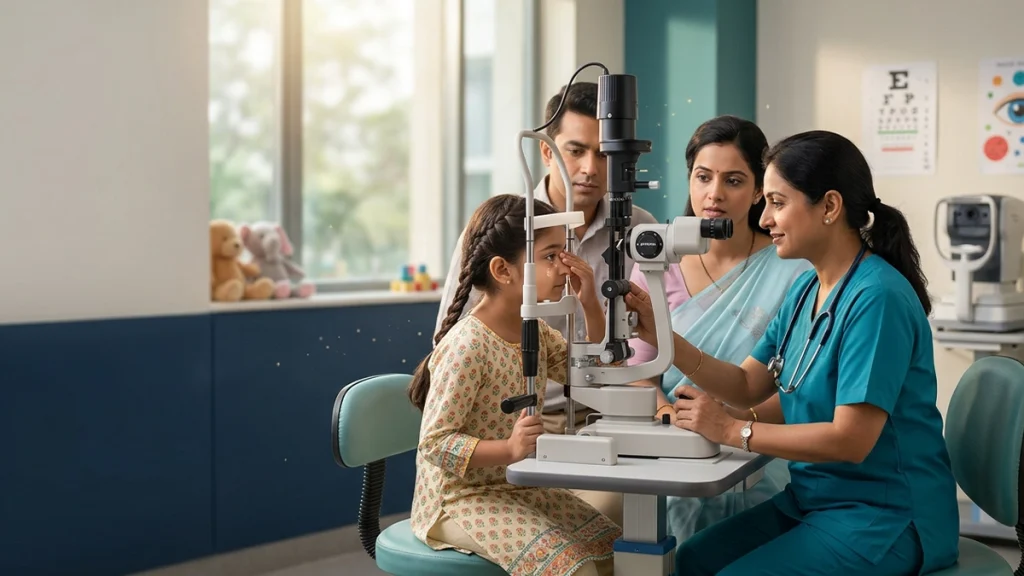
An ophthalmologist will ask which eye issues the child is having at the start, which eyes are affected, what seems to improve or worsen the condition, and also if there is history of asthma, eczema, or nasal allergy. The exam will check out the eyelids, conjunctiva, cornea, tear film, and type of discharge. This helps to determine between eye allergies in children an infection, dry eye, eyelid inflammation, a foreign body, or a corneal injury.
In some persistent or complex cases allergy testing is a help which isn’t to say it is a requirement for all kids. We begin by making sure the cornea is in good health. Treatment of Eye Allergies in Children.
Treatment consists of avoiding what we think is the cause. Also do a good job at washing faces and hands and getting out of play clothes which may have brought in pollen. At home wash bedding, clean out dusty areas, control moisture, and keep pets off the child’s bed.
For itchy eyes in children, place a cool clean compress over the child’s closed eyelids and get them to stop what they may be doing which is rubbing. Eye ointments may also help to wash out allergens from the eye and in turn give a soother relief, but what parents should do first is check that the product is right for their child’s age. Also do not put the ointment bottle tip to the eye, or eyelid or to the child’s finger or any other surface which may cause the products to become infected.
Parents often ask about which allergy eye drops for kids. What is right for which child depends on age, diagnosis, the severity of symptoms, medical history and what is available in that area. Some products have antihistamines in them, some stabilize mast cells, some do both. A pediatrician, ophthalmologist or pharmacist should confirm which is the right product, dose, and length of time to use it. Also safe use of allergy eye drops for kids starts with an accurate diagnosis.
| Treatment approach | Main purpose | Parent guidance |
| Reducing trigger exposure | Helps prevent repeated allergic reactions | Match the preventive action to the child’s trigger, such as pollen, dust, mould, or pet exposure. |
| Cool compress | Calms itching and reduces eyelid puffiness | Use a clean, soft cloth and never share it with another person. |
| Lubricating eye drops | Rinse allergens from the eye surface and provide soothing relief | Confirm that the drops are suitable for the child’s age. Avoid touching the bottle tip to the eye, eyelid, fingers, or other surfaces. |
| Allergy eye drops for kids, when advised | Reduce allergic itching, redness, and inflammation | Use an age-appropriate product exactly as directed by a qualified healthcare professional. |
| Steroid eye drops | Control significant or persistent eye inflammation | Use only under the supervision of an ophthalmologist, as improper use may cause serious side effects. |
Using Allergy Eye Drops for Kids Correctly
When allergy eye drops for kids wash your hands and get the child to look up. Gently pull down the lower lid, put in the dose of drop as prescribed and have the child close the eye gently. Do not put the tip of the bottle to the eye. If more than one medication is given follow the spacing that the clinician advises. .
Do not take someone else’s medicine out of their bottle, a half empty bottle you found in the cabinet, or a product that promises instant results. Decongestant drops may cause your redness to return when used too often.Steroid drops can raise eye pressure or cause certain infections to wors which is why we see that allergy eye drops for kids parents must not choose based on trial and error. Follow the prescribed schedule exactly as given and do not increase the dose frequency because itchy eyes in children may return. If at any point the treatment is not controlling symptoms seek a review. .
Why Itchy Eyes in Children Can Become Worse
Rubbing what may provide temporary relief will only fuel the itch rub cycle and irritate the eye surface. Try out short nails, cool compresses, and the allergy treatment instead.
Teachers can inform of a diagnosed allergy which in turn may require the child to wash off, use as prescribed medicine, or stay away from dusty activities. Peers will not pass on an allergy. Allergies in Children or Eye Infection?
Parents at times will begin antibiotic drops at the sign of red eyes. Antibiotics do not treat allergy which is the cause and also they don’t help in viral conjunctivitis. Eye allergies in children are more to see when both eyes are very itchy and the issue presents with sneezing, nasal itching or a familiar seasonal pattern.In many cases it is important to note that when eye allergy symptoms present atypically, one eye may be very different from the other, discharge is thick, the child is a contact lens wearer, or treatment is not effective. Mixed issues do present themselves, also a child with a history of allergies may still get an infection or injury.
When Parents Should Seek Urgent Eye Care
Prompt evaluation is required when you have redness which is accompanied by pain, light sensitivity, blurred or reduced vision, intense redness, severe swelling, trauma, or chemical exposure. These are not typical eye allergy symptoms.The CDC reports that health care evaluation is recommended for eye pain, sensitivity to light, blurred vision, or very red eyes itchy eyes in children also we note that in case of sudden one sided redness in the eye with great discomfort, marked swelling, fever or thick discharge a same day exam is wise. Also in the case of a chemical splash in the eye to start irrigation with clean running water immediately and get emergency care regardless if the eye shows improvement at first.
Preventing Repeat Eye Allergies in Children
The CDC reports that health care evaluation is recommended for eye pain, sensitivity to light, blurred vision, or very red eye allergies in children. We also note that in case of sudden one sided redness in the eye with great discomfort, marked swelling, fever or thick discharge a same day exam is wise. Also in the case of a chemical splash in the eye to start irrigation with clean running water immediately and get emergency care regardless if the eye shows improvement at first.
Follow up allows the ophthalmologist to review the cornea, go over drop technique, and determine if a preventive treatment should be started before a predictable allergy season. Also it is important that children use their own towel and face cloth although eye allergies in children are not contagious for the most part with the fact that at the same time an infection may occur.
A Parent-Focused Approach to Healthier Eyes
A proper care plan for eye allergies in children starts with an accurate diagnosis. In most cases we are able to control it through identification of triggers, right use of medicine, and also getting rid of the habit of rubbing. Consistent management of eye allergies in children which in turn helps to operate on repeat discomfort.The issue is do not think that every red or watery eye is an allergy. Timely evaluation which includes history and exam can tell apart allergic conjunctivitis from infection or corneal disease and also which care is appropriate for the child’s age.
At ASG Eye Care we see to it that parents bring in their kids for an ophthalmic assessment which we recommend at the onset of redness, watering, swelling, or itchy eyes in children which are persistent or recurring. We pay attention also to what the child reports of pain, blurred vision, or sensitivity to light which require early attention. Should medication be required we guide parents on safe use of allergy allergy eye drops for kids which is better than self medication.
Frequently Asked Questions
- Are Eye Allergies in Children Contagious?
No. Eye allergies in children are a result of an immune response to an allergen which does not spread between children. Viral and bacterial conjunctivitis can spread so an exam may be required if the cause is unknown.
- What are the Common Eye Allergy Symptoms?
The common eye allergy symptoms are very itchy eyes, teary eyes, redness, mild burning, and puffy eyelids which tend to affect both eyes. Also you may see sneezing, an itchy nose, or a seasonal pattern to the symptoms which point towards allergy.
- What Can Quickly Soothe Itchy Eyes in Children?
For itchy eyes in children, stop them from rubbing, get away from what may be causing it, wash faces and hands, and apply a clean cool compress. See a doctor for persistent, severe, or recurring symptoms.
- Can Parents Buy Allergy Eye Drops for Kids Without a Prescription?
Some brands of allergy eye drops for kids which do not require a prescription may be available for kids, but that does not mean they are appropriate for every child or every red eye. See an ophthalmologist, pediatrician, or pharmacist to confirm the product and the instructions.
- Are Steroid Drops Safe for Children?
Steroid drops are a treatment for severe inflammation, but they should be dispensed and followed up by an ophthalmologist. They are not the everyday allergy drops for kids, and also their use without supervision may mask or complicate another eye issue. Do the Allergies Keep Coming Back?
Recurrent eye allergies in children usually point to the fact that the trigger is still present, exposure is ongoing, or that preventive measures are required. Dust mites, mold, pets, and seasonal pollen are typical causes.
- Can Rubbing the Eyes Affect Vision?
Occasional, gentle touching is unlikely to cause lasting harm. Frequent, forceful rubbing, however, can worsen inflammation and irritate the corneal surface.Controlling itchy eyes in children is important when the allergy is severe
- When Should an Eye Specialist Examine the Child?
If eye allergy symptoms are persistent, don’t improve, are interfering with sleep or school, or are associated with pain, light sensitivity, reduced vision, marked redness, or thick discharge schedule an exam.