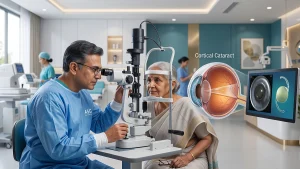
One of the most asked questions from patients post surgery is what they can do in the kitchen after they had cataract surgery. Many do well enough to get back to their day to day activities within a day or two but are at a loss which tasks like standing by the stove, handling hot oil, or being in a smoke filled kitchen are safe. The good news is that you can usually get back to cooking much sooner than you think after cataract surgery. That said the timing varies based on how well your eye is healing, the type of task you are doing in the kitchen and also what your surgeon says regarding any specific restrictions. If you have had recent cataract eye surgery knowing this info can help you protect your eye and also see a smooth recovery.
Why Extra Care Matters After Cataract Surgery
During cataract eye surgery the natural lens is put out and it is put in an artificial intraocular lens.
While the procedure is short and very successful at what it does, the eye does require time to heal. In the first weeks of cataract surgery recovery the eye may be more sensitive to dust, smoke, heat and also to accidental rub which may not be intentional.
Activities that irritate the eye can increase discomfort and delay in healing. That is the reason doctors suggest caution with cooking for the first few days after the procedure.
Can You Cook Immediately After Cataract Surgery?
For most people that is not the case.
On the day of the procedure your main focus should be rest. You may experience somewhat blurry vision and sensitivity to light. Also depth perception may be affected which is why we advise against cooking right after your surgery which is the same day.
Instead we recommend having your meals prepared in advance or ask a family member to help out with the cooking for the first 24 hours.
Safe Timeline for Cooking After Cataract Surgery
First 24 Hours
Avoid all kitchen work.
For the time being put your energy into resting and using the prescribed eye drops and protecting the operated eye. As for the kitchen, leave that for a while after your cataract surgery.
Days 2–3
In some cases light kitchen activity is a go.
Things like fruit preparation, making tea, together with putting together a sandwich are fine if your vision is doing well. As for the grilling, frying or standing by the smoke that comes from the food, best to avoid those.
After One Week
Many patients will slowly get back to their normal cooking routine after cataract surgery. At this point we see that healing is going very well for the most part.
You may prepare regular meals at this time also which is fine to do so long as you avoid large amounts of smoke, dust, or extended exposure to heat.
After Two to Four Weeks
Most patients are able to return to all normal cooking tasks. As for cooking after cataract surgery at this point it is without restrictions unless your ophthalmologist says otherwise.
Kitchen Risks to Avoid During Recovery
Even at the point that you are able to cook again post cataract surgery it is important to take certain precautions.
Avoid Hot Oil Splatters
Hot oil causes severe eye damage. Use protection when due and keep back from frying pans.
Stay Away From Smoke
Smoke may irritate the healing eye and cause dryness. While cooking post cataract surgery see to it that the room is well ventilated.
Avoid Rubbing Your Eyes
Cooking at times includes the handling of spices, onions, and other ingredients which can irritate the eyes. Before you touch your face, wash your hands.
Prevent Dust Exposure
Spices, flour, and powdered ingredients will fly up in the air at times. When handling them in the kitchen after your cataract surgery be very careful.
Best Foods to Eat During Cataract Surgery Recovery
Nutrition is a key element in the healing process. Although we do not have a set post surgery diet, some foods do promote faster recovery from cataract surgery.
Protein-Rich Foods
Protein helps repair tissues and supports healing.
Good options include:
- Eggs
- Fish
- Chicken
- Lentils
- Paneer
- Tofu
Vitamin C-Rich Foods
Vitamin C supports wound healing and helps reduce inflammation.
Examples include:
- Oranges
- Lemons
- Guava
- Kiwi
- Bell peppers
Leafy Green Vegetables
Vegetables rich in lutein and zeaxanthin support long-term eye health.
Include:
- Spinach
- Kale
- Fenugreek leaves
- Mustard greens
Omega-3 Fatty Acids
Omega-3s help reduce inflammation and may improve eye comfort during cataract surgery recovery.
Sources include:
- Salmon
- Sardines
- Walnuts
- Flaxseeds
Food Not to Eat After Cataract Surgery
Many patients question what to avoid post cataract surgery. While no foods are put forward as no go items which will damage the eye, certain diet choices may in fact increase inflammation and slow recovery.
Highly Processed Foods
One large group of food not to eat after cataract surgery includes packaged snacks, fast food, and prepared meals.
Excess Sugar
Another key food not to eat after cataract surgery is sugary drinks and sweets. Sugar in excess may cause inflammation.
Fried Foods
Deep fried foods are included in the list of food not to eat after cataract surgery which is due to the fact that they have unhealthy fats which in turn may cause inflammation.
Excess Salt
High salt foods are also out for post cataract surgery as they may cause inflammation and raised blood pressure.
Alcohol
Alcohol is a common item on the list of food not to eat after cataract surgery which is due to its interference with the healing process and also to its role in causing dehydration.
Practical Meal Ideas During Recovery
If you’re concerned about cooking after cataract surgery, focus on simple meals that require minimal preparation:
- Vegetable khichdi
- Dal and rice
- Grilled fish with vegetables
- Oatmeal with fruits
- Soups and whole-grain bread
- Idli with sambar
These meals provide nutrition without requiring extensive time in the kitchen.
When Should You Avoid Cooking Completely?
Contact your eye doctor if you experience:
- Significant pain
- Increasing redness
- Sudden vision changes
- Excessive watering
- Sensitivity to light
In such situations, postpone cooking after cataract surgery until your ophthalmologist confirms healing is progressing normally.
Cataract Care at ASG Eye Hospital
At ASG Eye Hospital, which works with each of our patients’ needs and stages during the cataract surgery course, also as the post operative stage we have experts which give out very detailed information to our patients that will help them back to the everyday tasks like cooking, cleaning home, and going about daily activities safe and sound. Also if you are a first time cataract surgery patient or just wish to know what the cataract surgery costs in India at present we are a team of the experience which is dedicated to providing individualized care and long term visual results.
Key Takeaway
For the majority of patients, cooking post cataract surgery may start with light kitchen tasks within a few days and return to full cooking at one to two weeks.
As always follow up on what the doctor says, practice good eye care and stay away from irritants which in turn will help with a better recovery.
Also it is very important to choose healthy foods and food not to eat after cataract surgery is that may cause inflammation or delay the healing process.
Also Read : Cooking After Cataract Surgery: When Is It Safe to Get Back in the Kitchen?
Frequently Asked Questions
When can I start cooking after cataract surgery?
Most people are able to get back into light cooking after cataract surgery 2-3 days and to full cooking after cataract surgery 1-2 weeks into the recovery process — however this is based on how you are doing.
Is it safe to stand near a gas stove after cataract surgery?
For the most part yes once initial healing has taken place. During early recovery avoid smoke, very hot elements, and steam from hot oil.
What food not to eat after cataract surgery?
Processed and take out foods, fried foods, too much sugar, alcohol, and salt are best to stay away from as they may play a role in your body’s inflammatory response.
Can kitchen smoke affect my healing eye?
Sure it does. Smoke irritates the eye and also increases dryness which in turn makes the recovery process less comfortable.
Does diet affect cataract surgery recovery?
A healthy diet rich in protein, vitamins, antioxidants, and omega-3 fatty acids can support cataract surgery recovery and overall eye health.
References
National Eye Institute (U.S. Government) – Cataract Surgery
https://www.nei.nih.gov/learn-about-eye-health/eye-conditions-and-diseases/cataracts/cataract-surgery
Healthline – Foods and Substances to Avoid After Cataract Surgery
https://www.healthline.com/health/food-not-to-eat-after-cataract-surgery
Medical News Today – Foods to Avoid After Cataract Surgery
https://www.medicalnewstoday.com/articles/food-not-to-eat-after-cataract-surgery