What is Conjunctivitis?
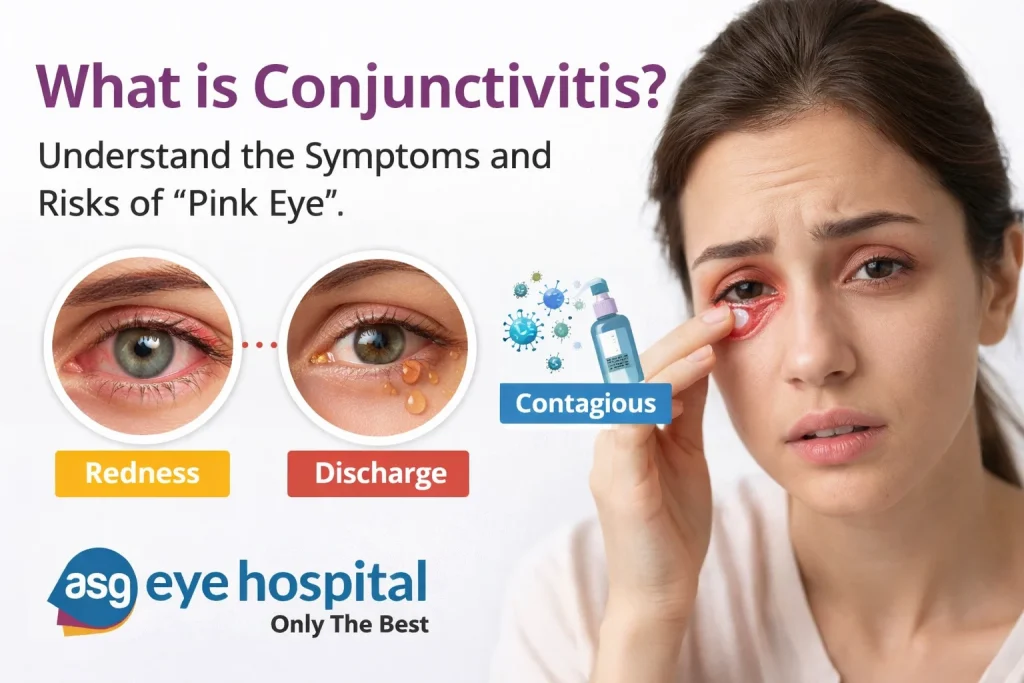
Conjunctivitis, commonly known as pink eye, is an inflammation of the conjunctiva the thin, transparent layer covering the white part of the eye. It can be caused by viruses, bacteria, or allergens, leading to redness, irritation, discharge, and discomfort. While it is usually mild, understanding its duration helps in proper care and preventing its spread.
How Long Does Conjunctivitis Last? (Quick Answer)
Conjunctivitis typically lasts from a few days to 1–2 weeks, depending on the cause. Viral conjunctivitis usually takes 7–14 days to resolve, while bacterial conjunctivitis may improve within 2–5 days with treatment. Allergic conjunctivitis can persist as long as exposure to allergens continues.
Duration of Conjunctivitis by Type
Viral Conjunctivitis
- Most common type
- Duration: 7–14 days
- Can extend up to 2–3 weeks in some cases
- Usually starts in one eye and spreads to the other
Bacterial Conjunctivitis
- Caused by bacteria
- Duration: 2–5 days with treatment
- May last up to 7–10 days without treatment
- Often produces thick discharge
Allergic Conjunctivitis
- Triggered by allergens like dust, pollen, or smoke
- Duration: Depends on allergen exposure
- Improves once the allergen is removed
How Long Is Conjunctivitis Contagious?
- Viral conjunctivitis: Highly contagious for up to 1–2 weeks
- Bacterial conjunctivitis: Contagious until discharge stops or after starting antibiotics
Good hygiene practices are essential to prevent spreading the infection.
Symptoms Timeline
Understanding symptom progression can help you track recovery:
- Day 1–3: Redness, irritation, mild discharge
- Day 3–5: Symptoms peak, increased discomfort
- Day 5–10: Gradual improvement
- Day 10–14: Recovery phase
How to Recover Faster from Conjunctivitis
To speed up recovery and reduce discomfort:
- Wash hands frequently
- Avoid touching or rubbing eyes
- Use prescribed eye drops or medications
- Apply cold or warm compresses
- Avoid sharing personal items like towels or makeup
- Rest your eyes and limit screen time
When Should You See a Doctor?
Consult an eye specialist if:
- Symptoms persist beyond 7–10 days
- You experience severe eye pain
- Vision becomes blurry or affected
- There is excessive discharge or swelling
- You wear contact lenses and develop irritation
Early medical care can prevent complications.
Prevention Tips to Avoid Conjunctivitis
- Maintain good hand hygiene
- Avoid sharing personal items
- Clean frequently touched surfaces
- Use clean towels and pillowcases
- Protect eyes from allergens and pollution
Final Thoughts
Conjunctivitis is a common eye condition that usually resolves within a few days to two weeks, depending on its cause. Understanding the recovery timeline and following proper hygiene practices can help you recover faster and prevent spreading the infection. If symptoms persist or worsen, seeking medical advice is essential.
Frequently Asked Questions
Can conjunctivitis go away in 2 days?
Mild bacterial conjunctivitis may improve quickly with treatment, but most cases take several days to resolve.
How long is pink eye contagious?
Viral conjunctivitis can remain contagious for up to 2 weeks, while bacterial conjunctivitis is contagious until symptoms improve.
Can conjunctivitis last for weeks?
Yes, viral conjunctivitis may last up to 2–3 weeks in some cases.
Should I stay home if I have conjunctivitis?
Yes, especially in the early stages, to prevent spreading the infection to others.