
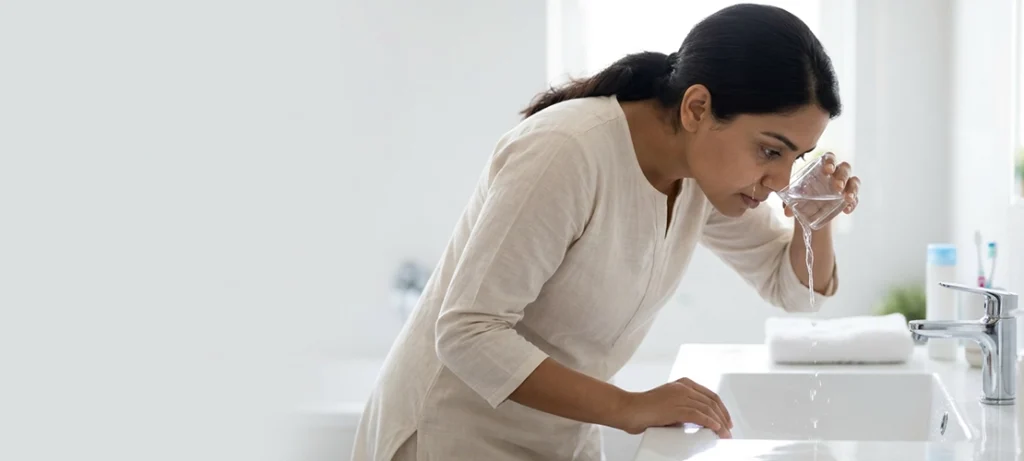
Our eyes are exposed to dust, pollution, smoke, pollen, makeup particles, and other irritants daily. While tears which are produced by the body do help to keep the eyes clean, at times proper cleaning of the eyes is a must. When you have dust in your eye, experience irritation post being outdoors, or get into your eyes soap or a cosmetic product, knowing the right way to rinse out your eye is key to reduce discomfort and to avoid potential complications.
Many people turn to home remedies for eye cleaning, but what they don’t know is that sometimes these methods do more harm than good. Rubbing the eye, use of unclean water, and trying out unsafe home remedies may increase irritation or even cause an infection.
In this guide we will be discussing the safe methods of eye cleaning, what home care is appropriate for, and also when it is time to take a trip to the eye hospital for professional care.
Why Cleaning Eyes Is Important
Your eyes have a protective mechanism. Tears play a role in removing dust, small particles, and microorganisms from the eye. Also in some situations we see a need for extra eye care which includes:
- Dust or sand entering the eye
- Exposure to smoke or pollution
- Allergens such as pollen
- Accidental contact with cosmetics
- Mild chemical splashes
- Contact lens-related irritation
Proper eye care practices can reduce discomfort and at the same time support eye health which in turn reduces the issue of unnecessary rubbing or scratching of the cornea.
When Should You Wash Your Eyes?
There are several situations where cleaning eyes at home may be helpful:
| Situation | Can You Rinse at Home? |
| Dust or dirt in the eye | Yes |
| Eyelash stuck in the eye | Yes |
| Mild irritation from smoke | Yes |
| Soap or shampoo exposure | Yes |
| Chemical exposure | Immediate flushing + medical attention |
| Sharp object injury | No |
| Severe pain or vision loss | No |
Understanding how to wash eyes correctly in these situations can help prevent further irritation.
How to Wash Eyes Safely at Home
If you are interested in safe ways to clean out the eyes, do these simple steps:
Step 1: Wash Your Hands
Before cleaning eyes, thoroughly wash your hands with soap and water. Dirty hands can transfer bacteria and increase the risk of infection.
Step 2: Avoid Rubbing
Many people will rub at the sensation of something in their eye. This can damage the cornea and make the irritation worse. Before you try to clean your eyes out, do not rub.
Step 3: Use Clean Water or Sterile Saline
The safest method for cleaning eyes is to use:
- Sterile saline solution
- Clean drinking water
- Bottled water if clean tap water is unavailable
Avoid using water from questionable sources.
Step 4: Flush Gently
Tilt head out and have water run over the affected eye. As you do this, blink a few times. This is the safest response to the common query of how to wash eyes without issue.
Step 5: Blink Frequently
Blinking encourages natural tear production and helps remove particles during cleaning eyes.
What Not to Do While Cleaning Eyes
Many eye injuries occur because people attempt unsafe methods.
Avoid:
- Using sharp objects
- Rubbing aggressively
- Using cotton buds inside the eye
- Applying unprescribed eye drops
- Using herbal solutions or homemade mixtures
Safe cleaning eye practices are always preferable to risky home remedies.
Common Reasons People Need Eye Flushing
Dust and Pollution
In which we find that dust particles are the great culprit in eye care. In very polluted environments which is to say in most urban settings we see this irritation often.
Makeup Products
Mascara, eyeliner, and eye shadow particles at times get into the eye which makes eye washing a common issue for cosmetic users.
Contact Lens Irritation
Improper lens care may cause issues that in turn produce eye discomfort and if symptoms persist see an eye specialist.
Allergies
Seasonal allergies often cause itching and redness. Gentle cleaning eyes techniques may help remove allergens from the eye surface.
Cleaning Eyes After Chemical Exposure
Chemical splashes require special attention.
If a cleaning agent, detergent, sanitizer, or other chemical enters the eye:
- Begin cleaning eyes immediately.
- Flush continuously with clean water for at least 15–20 minutes.
- Remove contact lenses if present.
- Seek medical attention immediately.
When it comes to chemical exposure in the eye just knowing proper eye washing procedures is insufficient. Professional assessment and care is key.
Signs You Should Visit an Eye Hospital
While during normal at home care some symptoms may be treated there are some which call for professional care.
Visit an eye hospital immediately if you experience:
- Severe eye pain
- Persistent redness
- Blurred vision
- Light sensitivity
- Bleeding
- Chemical burns
- Foreign objects embedded in the eye
Delaying treatment can increase the risk of complications.
Can Cleaning Eyes Prevent Eye Infections?
Hygiene can help lessen irritation, but only by washing the eyes cannot cure infections.
If you experience symptoms like discharge, swelling, redness, or ongoing discomfort, you should seek professional treatment for the infection.
Common signs that suggest the need for eye infection treatment include:
| Symptom | Possible Concern |
| Yellow discharge | Bacterial infection |
| Excessive watering | Infection or irritation |
| Swollen eyelids | Infection or allergy |
| Persistent redness | Eye disease or infection |
| Blurred vision | Serious eye condition |
Professional eye infection treatment is always recommended when infection is suspected.
How Often Should You Clean Your Eyes?
For most people, routine cleaning eyes is not necessary because tears naturally clean the eye surface.
However, you may consider cleaning eyes when:
- Dust enters the eye
- After chemical exposure
- During allergy flare-ups
- Following advice from an eye specialist
Knowing how to wash eyes correctly is more important than doing it frequently.
Eye Health Tips to Protect Your Vision
To reduce the need for frequent cleaning eyes, follow these habits:
- Wear protective eyewear when working with dust.
- Wash hands before touching your eyes.
- Remove makeup before sleeping.
- Replace contact lenses as advised.
- Attend regular eye examinations.
- Seek timely eye treatments for ongoing symptoms.
Preventive care often reduces the need for emergency eye treatments later.
When Home Care Is Not Enough
Many patients report to be repeatedly washing out the eyes when symptoms persist. But in fact long term discomfort is a sign of a more serious issue which will require a professional eye care evaluation.
That which may present as a broken blood vessel in the eye, an infection, an allergy or dry eye among others often requires more than just washing it needs a specialist intervention.
Also if after proper eye washing at home symptoms still present it is recommended you see a professional.
Eye Care at ASG Eye Hospital
At ASG Eye Hospital we provide a team of specialists that look at issues like eye irritation, foreign body injuries, infections, allergies and other vision issues with the use of the latest in diagnostic technology. We have care for emergency situations, eye infection treatment, routine eye exams, and very specialized eye care. Timely intervention we find is key in protecting your vision and in preventing complications. If after cleaning the eyes symptoms persist it is the best step to visit a trusted eye hospital.
Key Takeaways
- Cleaning of the eyes should be done gently with clean water or sterile saline.
- We have that proper eye washing technique which helps in prevention of further irritation.
- Do not rub the eye or use unsafe home remedies.
- Chemical exposure requires immediate flush out and medical evaluation.
- For persistent symptoms professional eye infection treatment may be required.
- If you have pain, redness or vision changes seek care at an eye hospital.
Frequently Asked Questions
1. How do I clean my eyes safely at home?
The best way to clean out the eyes is with sterile saline or clean water as you blink frequently. Do not rub the eye.
2. How to wash eyes when dust enters them?
If dust enters the eye, gently rinse with clean water or saline and blink several times. This is the safest way to wash eyes at home.
3. Can cleaning eyes prevent infections?
While good hygiene may reduce irritation it does not cure eye infections. See a professional for treatment if your symptoms persist.
4. When should I visit an eye hospital after flushing my eyes?
Go to the eye hospital if you have severe pain, blurred vision, persistent redness, bleeding, or chemical exposure.
5. Is it safe to wash eyes daily?
For most people daily eye cleaning is not required as natural tears do clean the eye surface. Also excessive washing may at times cause irritation.