Keratitis – Symptoms, Causes & Treatment at ASG Eye Hospital
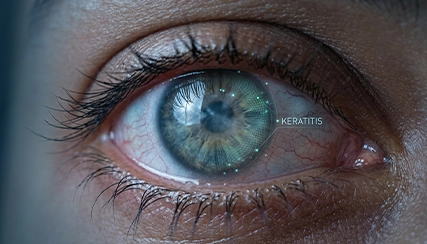
Keratitis is an inflammatory condition affecting the cornea — the clear, dome-shaped front surface of the eye that helps focus light for clear vision. Keratitis may occur due to infections, eye injuries, contact lens misuse, dry eyes, or underlying medical conditions. If left untreated, keratitis can lead to corneal ulcers, scarring, severe pain, and permanent vision loss. Early diagnosis and timely treatment are extremely important to protect the cornea and preserve healthy vision. At ASG Eye Hospital, experienced cornea specialists provide advanced diagnosis and comprehensive treatment for infectious and non-infectious keratitis using modern corneal imaging and eye care technology.
Types of Keratitis
Infectious Keratitis
Infectious keratitis develops due to microorganisms such as bacteria, viruses, fungi, or parasites infecting the cornea.
Bacterial Keratitis
Often associated with contact lens misuse or eye injuries.
Viral Keratitis
Commonly caused by herpes simplex virus or herpes zoster virus. (aao.org)
Fungal Keratitis
Usually occurs after eye trauma involving plant material or contaminated contact lenses.
Acanthamoeba Keratitis
A rare but serious parasitic infection often associated with contaminated water and contact lens use. (cdc.gov)
Non-Infectious Keratitis
This type may develop due to:
Symptoms of Keratitis
Common symptoms include:
- Eye redness
- Severe eye pain
- Blurred vision
- Sensitivity to light (photophobia)
- Excessive tearing
- Foreign body sensation
- Eye discharge
- Difficulty opening the eye
- Reduced vision
- White spot on the cornea in severe cases
Symptoms may worsen rapidly if infection spreads deeper into the cornea.
Causes of Keratitis
Keratitis may occur due to several factors, including:
Contact Lens Misuse
Poor contact lens hygiene is one of the leading causes of infectious keratitis. Sleeping with lenses or improper cleaning significantly increases infection risk.
Eye Injury or Trauma
Scratches or injuries to the cornea can allow microorganisms to enter and cause infection.
Viral Infections
Herpes simplex virus can repeatedly affect the cornea and cause recurrent keratitis.
Dry Eyes
Reduced tear production may weaken corneal protection.
Contaminated Water Exposure
Swimming or washing contact lenses with contaminated water may increase the risk of acanthamoeba keratitis.
Weakened Immunity
Patients with diabetes, autoimmune disorders, or weakened immunity may have increased susceptibility to corneal infections.
Risk Factors for Keratitis
Factors increasing the risk include:
- Contact lens wear
- Poor lens hygiene
- Eye injury
- Diabetes
- Dry eye syndrome
- Long-term steroid eye drop use
- Weakened immune system
- Swimming with contact lenses
- Previous eye infections
Complications of Untreated Keratitis
Without proper treatment, keratitis may lead to:
- Corneal ulcers
- Corneal scarring
- Permanent blurred vision
- Corneal perforation
- Chronic eye pain
- Vision loss
- Blindness in severe cases
Prompt treatment significantly improves visual outcomes.
Diagnosis of Keratitis
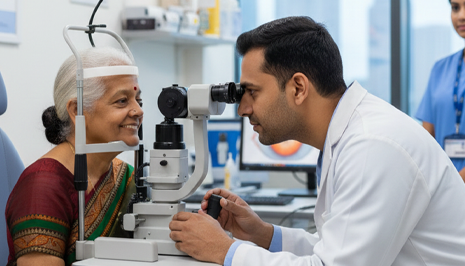
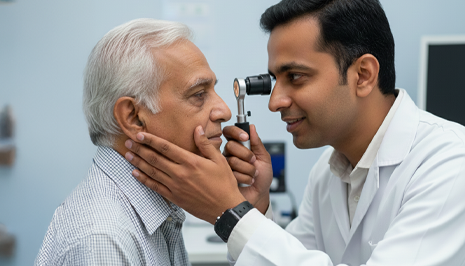
At ASG Eye Hospital, cornea specialists perform detailed examinations to identify the cause and severity of keratitis. Diagnostic tests may include:
- Comprehensive eye examination
- Slit lamp examination
- Corneal staining tests
- Visual acuity testing
- Corneal scraping and cultures
- Tear film evaluation
- Corneal imaging
- Intraocular pressure testing
Laboratory analysis may help identify bacterial, viral, fungal, or parasitic infections.
Treatment Options for Keratitis
Treatment depends on the underlying cause and severity of the condition.
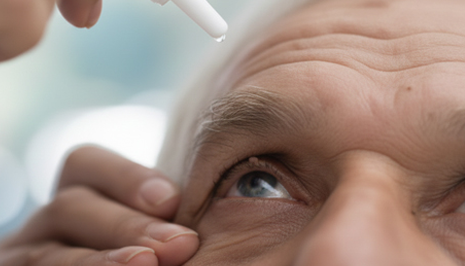
Antibiotic Eye Drops
Bacterial keratitis is commonly treated with intensive antibiotic eye drops. (mayoclinic.org)
Antiviral Medications
Herpes-related keratitis may require antiviral eye drops or oral medications. (aao.org)
Antifungal Therapy
Fungal keratitis requires specialized antifungal medications.
Pain & Inflammation Management
Lubricating eye drops and medications may help reduce discomfort and inflammation.
Contact Lens Discontinuation
Patients are advised to stop wearing contact lenses during treatment.
Corneal Surgery
Severe corneal damage or scarring may require corneal transplantation in advanced cases.
How to Prevent Keratitis
Helpful preventive measures include:
- Maintain proper contact lens hygiene
- Avoid sleeping in contact lenses unless advised
- Wash hands before touching lenses
- Avoid sharing contact lenses
- Protect eyes from injury
- Avoid swimming with contact lenses
- Attend regular eye check-ups
Proper lens care significantly reduces the risk of serious corneal infections.
When Should You Consult an Eye Specialist?
Seek immediate medical attention if you experience:
Why Choose ASG Eye Hospital for Keratitis Treatment?