
Glaucoma Optic Nerve Damage: Protect Your Vision Early
Understand the warning signs, causes, diagnosis, and advanced glaucoma treatments to prevent permanent optic nerve damage and vision loss.
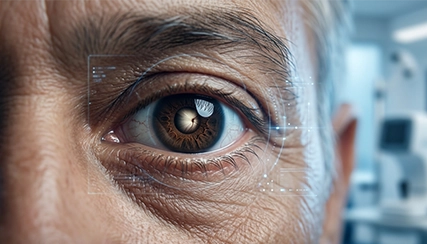
Primary Open-Angle Glaucoma
Primary Open-Angle Glaucoma (POAG) is the most common type of glaucoma and a leading cause of irreversible blindness worldwide. It develops slowly over time and damages the optic nerve due to increased pressure inside the eye.
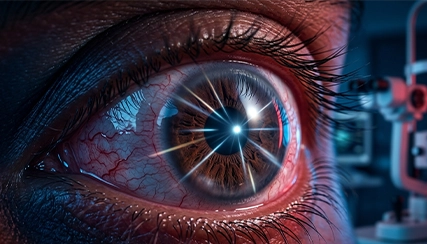
Angle-Closure Glaucoma
Angle-Closure Glaucoma is a serious and potentially sight-threatening eye condition where the drainage angle of the eye suddenly becomes blocked, leading to a rapid increase in eye pressure (intraocular pressure).
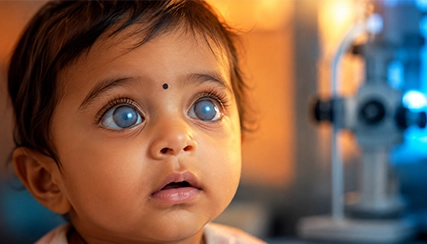
Congenital Glaucoma
Congenital Glaucoma is a rare but serious eye condition present at birth or developing in early childhood. It occurs when the eye’s drainage system does not develop properly, leading to increased eye pressure that damages the optic nerve.
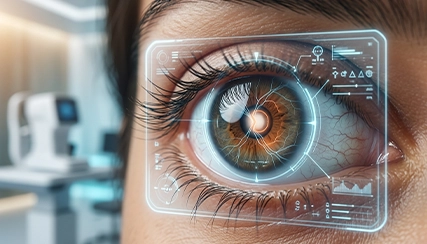
Normal Tension Glaucoma
Normal Tension Glaucoma (NTG), also known as low-pressure glaucoma, is a type of glaucoma where the optic nerve is damaged even though eye pressure remains within the normal range.
Not sure which
treatment is right for you?
Book an appointment and let our specialists guide you.

Vision for All.
Not Just for Some
ASG is growing its network with 200 Vision Centres, delivering affordable eye care to over 4 million people.
Or

Glaucoma (Optic Nerve Diseases) – Causes, Symptoms & Advanced Treatment
Glaucoma is a group of eye conditions that damage the optic nerve, which is essential for vision. This damage is often caused by increased pressure inside the eye (intraocular pressure), leading to gradual and irreversible vision loss if untreated.
It is one of the leading causes of blindness worldwide, especially in people above 40 years of age.
What is Glaucoma?
Glaucoma is an optic nerve disease where the nerve fibers that carry visual information from the eye to the brain get progressively damaged.
The optic nerve contains over a million nerve fibers, and any damage to these fibers can result in permanent vision loss.
In most cases, this damage occurs due to:
- Increased eye pressure
- Poor blood supply to the optic nerve
- Fluid drainage issues inside the eye
Why is Glaucoma Dangerous?
Glaucoma is often called the “silent thief of sight” because:
- It has no early symptoms
- Vision loss starts from peripheral vision
- Damage is permanent and irreversible
Many patients don’t realize they have glaucoma until significant vision loss occurs.
Types of Glaucoma:
1. Primary Open-Angle Glaucoma
- Most common type (90% cases)
- Slow progression
- No early symptoms
2. Angle-Closure Glaucoma
- Sudden increase in eye pressure
- Medical emergency
- Severe pain, redness, blurred vision
3. Normal-Tension Glaucoma
- Optic nerve damage despite normal pressure
4. Congenital Glaucoma
- Present at birth
- Rare but serious
Symptoms of Glaucoma:
Early Stage:
- Usually no symptoms
Advanced Stage:
- Gradual loss of side (peripheral) vision
- Tunnel vision
- Blurred vision
- Halos around lights
- Eye pain (in acute cases)
Vision loss occurs slowly and may go unnoticed until advanced stages.
Causes of Glaucoma:
Glaucoma occurs when fluid (aqueous humor) builds up in the eye due to improper drainage, increasing eye pressure and damaging the optic nerve.
Common Causes:
- Blocked drainage channels
- Increased eye pressure
- Genetic factors
- Aging
- Eye injury or surgery
Risk Factors:
You are at higher risk if you:
- Are above 40–60 years
- Have a family history of glaucoma
- Have diabetes or high blood pressure
- Use steroids for long periods
- Have high eye pressure
When Should You See a Doctor?
Consult an eye specialist immediately if you experience:
- Sudden vision loss
- Severe eye pain
- Blurred vision with headache
- Halos around lights
Early detection is critical to prevent blindness.
Diagnosis of Glaucoma:
A comprehensive eye exam includes:
- Tonometry – Measures eye pressure
- Ophthalmoscopy – Examines optic nerve
- Visual Field Test – Detects vision loss
- OCT Scan – Measures nerve fiber damage
These tests help detect glaucoma even before symptoms appear.
Treatment Options for Glaucoma :
Although glaucoma damage cannot be reversed, treatment can slow or stop progression.
🔹 Medications
- Eye drops to reduce pressure
🔹 Laser Treatment
- Improves fluid drainage
🔹 Surgery
- Creates new drainage pathways
- Used in advanced cases
Goal: Protect the optic nerve and prevent further vision loss.
Glaucoma Surgery Cost in India:
Estimated Cost Range:
- Medications: ₹500 – ₹2,000/month
- Laser treatment: ₹10,000 – ₹30,000
- Surgery: ₹40,000 – ₹1,50,000
Recovery & Long-Term Management :
- Glaucoma requires lifelong monitoring
- Regular eye check-ups are essential
- Vision lost cannot be restored, but progression can be controlled
Why Choose ASG Eye Hospital?
- Advanced glaucoma diagnostics (OCT, visual field analysis)
- Experienced glaucoma specialists
- Latest laser and surgical technologies
- 180+ hospitals across India
- Personalized treatment plans
Clear Answers for Better Vision
Is glaucoma curable?
No, but it can be controlled with early treatment.
Can glaucoma cause blindness?
Yes, if untreated, it can lead to permanent blindness.
Is glaucoma hereditary?
Yes, family history increases risk.
How often should I get tested?
Every 1–2 years after age 40.
Is glaucoma surgery safe?
Yes, modern procedures are safe and effective.