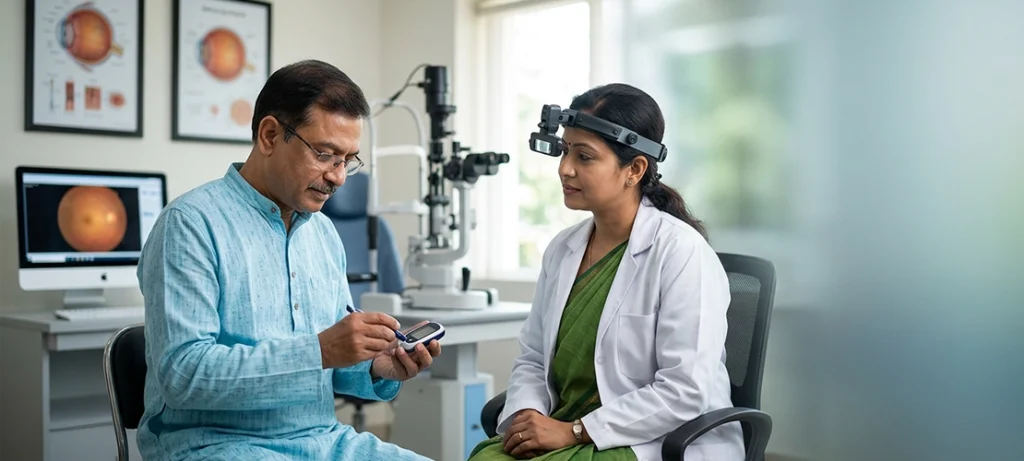
The gateway city of the northeastern region, Guwahati is one of the cities that is rapidly urbanizing in addition to adapting to the demands of modern life. Lifestyle diseases, particularly diabetes, have drastically and alarmingly increased as a result of this change. The majority of the people residing in Guwahati are unaware of diabetes being more than a kidney or blood sugar disease. It is a disorder which slowly and gradually affects the eyes and puts the lives of people exposed to it at risk, particularly those who are not well recognised, cared for and monitored. This is why timely consultation with a retina specialist Guwahati has become increasingly important for diabetic patients seeking to protect their long-term eye health.
Can Diabetes Cause Vision Loss?
Yes. Diabetes can damage the tiny blood vessels of the retina, leading to diabetic retinopathy and diabetic macular oedema. These conditions often develop without early symptoms and can cause permanent vision loss if left untreated. Annual dilated eye exams, blood sugar control, and timely treatment help protect vision and reduce the risk of blindness.
The Scale of the Problem: Diabetes in Guwahati Today
During the past 15 years the incidence of Type 2 diabetes has been increasing rapidly in Guwahati along with Assam. Diabetes prevalence rates have been increasing, which the public health system is not keeping up, due to changing diets (including increased intake of processed foods and refined carbohydrates) in addition to decreased physical activity (from the sedentary jobs found in urban areas and genetic susceptibility in some communities in the Northeast). Since a large proportion of the city’s diabetic population is either misdiagnosed or poorly managed, the city is facing a significant problem of unnoticed risk due to diabetic eye problems in increasing numbers of people. This is why timely screening by a reliable eye doctor has become essential, as modern eye technology now enables early detection of diabetic retinopathy before permanent vision damage sets in.
How Diabetes Directly Damages the Blood Vessels of the Eye
The mechanism behind the impaired vision in diabetes is unique and well understood. High blood sugar damages the walls of the very small blood vessels (capillaries) that supply nutrients and oxygen to the retina. These leaky arteries cause swelling and damage to the structure of the retina because blood and fluid are leaking into it. The retina reacts over time by trying to develop new blood vessels, but these are brittle, ill-formed, and prone to leaking into the eye’s vitreous chamber. Over the course of months and years, this entire process, known as diabetic retinopathy, occurs gradually and silently.
Diabetic Macular Oedema: The Leading Cause of Vision Blur in Diabetic Patients
Diabetic macular oedema is a distinct and especially dangerous consequence whereas diabetic retinopathy is a general term for retinal vascular damage. The macula, the area in the middle of the retina that is used for reading, facial recognition, and fine detail perception, is in charge of sharp, detailed vision. When fluid builds up in this area due to leaking vessels, the swelling that results distorts and blurs central vision in ways that directly affect day-to-day functioning. This is the first issue that truly worries a lot of Guwahati’s diabetes patients, and by then, the illness has been worsening for a while. This requires special attention from an eye surgeon for top class eye treatment.
How Diabetes Affects Eye Health and Vision
| Diabetes-Related Eye Condition | Impact on Vision |
|---|---|
| Diabetic Retinopathy | Damages retinal blood vessels and may cause vision loss |
| Diabetic Macular Oedema | Causes blurred central vision due to retinal swelling |
| Retinal Bleeding | Can lead to sudden vision disturbances |
| Abnormal Blood Vessel Growth | Increases risk of severe retinal damage |
| Delayed Eye Screening | Allows disease progression without symptoms |
| Regular Eye Exams | Helps detect problems before vision is affected |
The Absence of Early Symptoms and Why That Is So Dangerous
The fact that diabetic eye disease has no symptoms at all in its early stages may be its most clinically significant feature. Subjective vision is still normal. There is no visible disruption that warrants worry, nor is there any discomfort or redness. Patients with diabetes in Guwahati get a false sense of security as a result of this lack of early warning, believing that their eyes must not be harmed because their vision feels normal. One of the main causes of patients presenting with severe retinal damage that could have been treated far more successfully if it had been discovered a year or two earlier, according to an eye specialist, is this false confidence.
Screening Protocols Every Diabetic Patient in Guwahati Must Follow
Regardless of how normal their eyesight feels, everyone with diabetes should get a thorough dilated eye examination at least once a year, according to the clear international standard advice for diabetic eye care. More frequent monitoring, every three to six months, might be recommended for people whose retinal alterations have already been identified. This yearly examination is both medically required along with practically feasible in Guwahati, where access to ophthalmology services has significantly improved due to the city’s growing healthcare infrastructure.
Conclusion
Guwahati is at a crossroads: the city is developing quickly enough to increase its capacity to provide healthcare, but the burden of lifestyle diseases is rising just as quickly in the opposite direction. For far too many people in our city, diabetes along with the resulting eyesight loss should not be an inescapable consequence. Access to quality diabetic eye care Guwahati via the top eye hospital like ASG Eye Hospital is expanding, and so are the instruments for effective management, detection, and prevention. Now, individuals need awareness, the type that shifts them from accepting their diabetes diagnosis passively to actively and intelligently protecting every organ it endangers, starting with the priceless gift of sight.
FAQs
1. How does diabetes affect eyesight?
High blood sugar damages the tiny blood vessels in the retina, which can lead to diabetic retinopathy and vision loss over time.
2. What is diabetic retinopathy?
Diabetic retinopathy is a diabetes-related eye disease that damages retinal blood vessels and can eventually cause blindness if untreated.
3. Can diabetic eye disease develop without symptoms?
Yes. Early diabetic retinopathy often causes no pain or noticeable vision changes, making regular eye examinations essential.
4. How often should diabetic patients get their eyes checked?
Most eye specialists recommend a comprehensive dilated eye examination at least once every year.
5. What is diabetic macular oedema?
It is a condition where fluid leaks into the macula, causing swelling and blurred central vision.
6. Who is at higher risk of diabetic vision loss?
People with poorly controlled blood sugar, long-term diabetes, high blood pressure, and delayed eye screenings are at greater risk.
7. Can vision loss from diabetes be prevented?
In many cases, yes. Early diagnosis, good diabetes management, and timely retinal treatment can significantly reduce the risk of vision loss.
8. When should I consult a retina specialist?
If you have diabetes, regular retinal evaluations are important even if your vision seems normal. Immediate consultation is recommended if you notice blurred vision, floaters, or sudden changes in eyesight.