Most people associate chickenpox with a childhood disease which presents with itchy rash and fever. What many do not know is that in some cases chicken pox affects the eye which in turn may cause serious vision issues if left untreated. While this is not a common complication it is important to note the early signs.
The eyes are very delicate structures and any infection or inflammation of them requires prompt medical care. We also do well to understand how chicken pox eye conditions present, the symptoms to look out for, and when to get professional care which in the long run may prevent serious complications.
What Is Chickenpox?
Chicken pox is brought about by the Varicella-Zoster Virus (VZV). It is very easy to catch via respiratory secretions and skin to skin contact with affected areas.
- Fever
- Fatigue
- Headache
- Itchy red rash
- Fluid-filled blisters
Most people do fine with chicken pox. In some cases however the virus will go after other parts of the body which includes the eyes. This is what many patients ask does chicken pox affect the eyes and cause permanent damage? The answer is yes in particular when the infection affects the eyelids, cornea or internal eye structures.
Can Chickenpox Affect Eyes?
Yes, can chickenpox affect eyes is a medically valid concern. Although uncommon, chickenpox-related eye complications can occur in both children and adults.
The virus may affect:
- Eyelids
- Conjunctiva (eye surface)
- Cornea
- Retina
- Optic nerve
When chicken pox affects the eyes complications may present from mild irritation to severe inflammation which in turn may threaten vision.
In terms of which people may see eye involvement increase it includes those with weak immune systems, severe cases of chicken pox, or delayed medical care.
How Does Chicken Pox in Eye Develop?
The virus may get to the eye tissues during the active infection stage. In some cases we may see blisters that develop on the eyelids, in other cases inflammation may affect deeper into the eye structure.
Common mechanisms include:
| Eye Structure | Possible Effect |
| Eyelids | Blisters, swelling, irritation |
| Conjunctiva | Redness and inflammation |
| Cornea | Keratitis (corneal infection) |
| Retina | Retinal inflammation |
| Optic Nerve | Rare vision-threatening complications |
This is why any suspected chicken pox in eye symptoms should never be ignored.
Early Symptoms of Chicken Pox in Eye
Recognizing symptoms early can make a significant difference in recovery outcomes.
Common warning signs include:
- Red eyes
- Excessive watering
- Eye pain
- Burning sensation
- Light sensitivity
- Blurred vision
- Swollen eyelids
- Eye discharge
Some patients initially mistake these symptoms for a routine eye irritation. However, when chicken pox in eye involvement is present, symptoms often worsen quickly without treatment.
Dangerous Symptoms You Should Never Ignore
Certain symptoms require immediate evaluation by an eye specialist.
Seek urgent medical attention if you experience:
- Sudden vision loss
- Severe eye pain
- Persistent redness
- Extreme sensitivity to light
- Difficulty opening the eye
- Corneal clouding
- Floaters or flashes of light
- Double vision
Many people online are worried about the issue of permanent vision loss which does report that while serious complications are rare, delayed treatment increases risk.
Corneal Infection and Keratitis
In the case of chicken pox which affects the eyes a very serious complication is keratitis. Keratitis is a condition which happens when the cornea inflames or becomes infected. Symptoms may include:
- Sharp eye pain
- Foreign body sensation
- Excessive tearing
- Blurred vision
- Light sensitivity
If left untreated corneal damage will result in scarring and permanent vision impairment.
That is yet one reason that the question does a chicken pox effect the eyes should be looked at very seriously.
Can Chickenpox Affect Eyes in Children?
By and large children do very well out of chicken pox. But it is important for parents to pay notice if a child reports:
- Persistent eye redness
- Eyelid swelling
- Excessive rubbing of the eyes
- Complaints of blurred vision
- Sensitivity to light
In pediatric patients with chicken pox which affects the eye very early diagnosis is key to avoid complications that affect visual development.
Can Chickenpox Affect Eyes in Adults?
It is common for adult chickenpox cases to present more severe symptoms than what is seen in children. In adults when chicken pox does affect the eye the symptoms may be more severe and recovery takes longer. Also adults are more prone to develop inflammatory eye issues which require special treatment. Thus ophthalmologists report that can chickenpox affect eyes is a very important issue in adult chickenpox cases.
How Doctors Diagnose Chicken Pox in Eye
Diagnosis usually involves a comprehensive eye examination.
An ophthalmologist may perform:
- Visual acuity testing
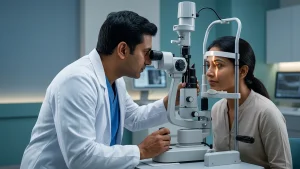
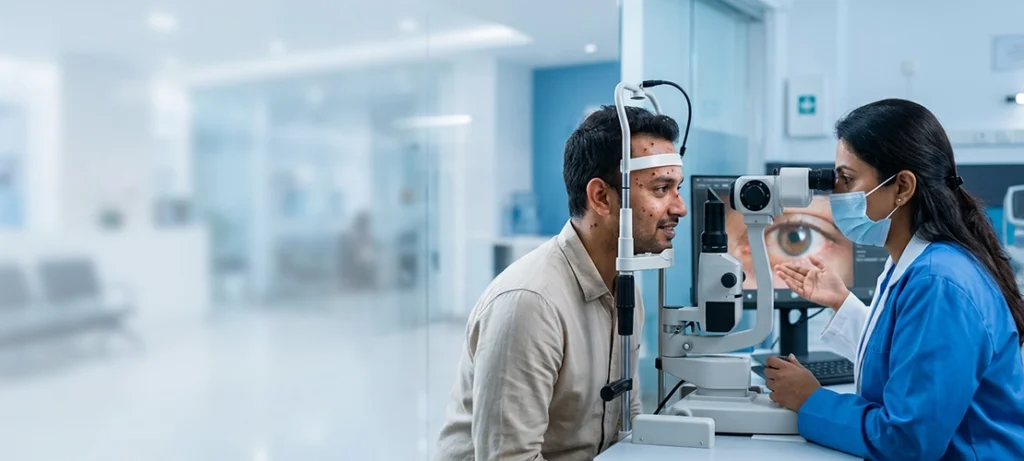
- Slit-lamp examination
- Corneal evaluation
- Retinal examination
- Eye pressure assessment
These tests help determine the extent of chicken pox in eye involvement and guide appropriate treatment decisions.
Treatment Options for Chicken Pox in Eye
Treatment depends on the severity and location of the infection.
Common approaches include:
| Treatment | Purpose |
| Antiviral medications | Control viral activity |
| Lubricating eye drops | Improve comfort |
| Antibiotic drops | Prevent secondary infection |
| Anti-inflammatory medications | Reduce inflammation |
| Specialist monitoring | Protect vision |
Patients requiring eye infection treatment should follow their doctor’s instructions carefully and avoid self-medicating with over-the-counter eye drops.
The earlier chicken pox in eye complications are treated, the better the chances of a full recovery.
How to Protect Your Eyes During Chickenpox
Simple precautions can help reduce the risk of eye complications:
- Avoid rubbing your eyes
- Wash hands frequently
- Keep fingernails short
- Follow prescribed medications
- Avoid contact lens use during active infection
- Seek medical help if eye symptoms appear
Many patients asking can chickenpox affect eyes are relieved to learn that prompt treatment significantly reduces the risk of lasting damage.
When Should You Visit an Eye Specialist?
You should schedule an urgent consultation if you notice:
- Persistent redness
- Pain
- Blurred vision
- Light sensitivity
- Eye discharge
- Eyelid blisters
These symptoms may present with eye involvement which is a sign of chicken pox and should be evaluated by a professional.
Visiting a specialized eye hospital allows timely diagnosis and access to advanced eye treatments that help preserve vision.
Eye Care at ASG Eye Hospital
At our ophthalmology department in ASG Eye Hospital we provide full scale evaluation and management of a wide range of eye infections and inflammatory conditions. We see patients who are suffering from eye complications of chicken pox and present them with in depth diagnostic services and personalized care plans.
We have you covered whether you are in for routine follow up, come in for treatment of a serious eye infection, or in need of advanced eye procedures at which point we will do an early consultation.
Key Takeaways
- Chicken pox of the eye is an uncommon issue but can be very serious.
- To the question of does chicken pox affect the eyes the answer is yes, mostly when it gets into the cornea or other deeper eye tissues.
- Symptoms like redness, pain, blurred vision, and light sensitivity should not be ignored.
- Early diagnosis and treatment is key to preventing long term vision problems. At the first sign of eye symptoms seek care at a trusted eye care clinic.
Frequently Asked Questions
1. Can chickenpox affect eyes permanently?
In rare cases it can. If there is a complication of chicken pox in eye which causes corneal scarring, retinal damage, or severe inflammation permanent vision issues may result. But early treatment greatly reduces that risk.
2. What are the first signs of chicken pox in eye involvement?
Common symptoms include redness, watering, eyelid swelling, irritation, blurred vision, and light sensitivity.
3. Can chickenpox affect eyes in children?
Yes. Although uncommon, children can develop eye complications during chickenpox. Any persistent eye symptoms should be evaluated promptly.
4. Is chicken pox in eye an emergency?
It can be. Severe pain, vision changes, or significant redness should be assessed urgently by an eye specialist.
5. How is chicken pox in eye treated?
Treatment may include antiviral medications, lubricating drops, anti-inflammatory medicines, and close monitoring by an ophthalmologist.
6. Can chickenpox affect eyes after the skin rash heals?
Yes. Some eye complications may appear even after the skin lesions have started improving, which is why ongoing monitoring is important.