
Retrobulbar neuritis is a condition which presents with an inflamed optic nerve behind the eye. What many patients report is sudden blur, pain on eye movement, and that colors do not appear as vibrant as they used to.These common retrobulbar neuritis symptoms should not be ignored because the optic nerve carries visual signals from the eye to the brain. In other words the eye may look fine from the outside in, but what is affected is the nerve behind it.
That is why retrobulbar neuritis symptoms can appear suddenly without redness, swelling, or visible injury. Early in the game we see that diagnosis is key in determining cause, reducing inflammation, and in preserving long term sight.
What Is Retrobulbar Neuritis?
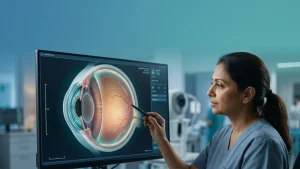
Retrobulbar neuritis which is a form of optic neuritis has inflation of the portion of the optic nerve that is behind the eye. Also in this area which may not be seen in a routine eye exam patients may have serious vision problems which do not present when the eye surface is normal.
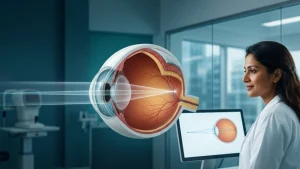
The optic nerve acts as a communication channel between the retina and the brain. When it becomes inflamed, visual signals are weakened, delayed, or distorted. This eye nerve inflammation causes blurred vision, dim vision, pain, and poor color perception. Should inflammation be severe or repeat it may lead to optic nerve damage.
Why Does Retrobulbar Neuritis Cause Vision Loss?
Vision loss is a result of inflammation which disrupts the connection between the eye and the brain. The retina may still see light but the brain gets no clear report. This explains why retrobulbar neuritis symptoms often include sudden central vision loss, reduced sharpness, and difficulty seeing fine details.
In in many cases retrobulbar neuritis symptoms over the space of hours or a few days. Vision may become hazy, colors may look dull, and eye movement may be painful. These signs point to active nerve inflammation which needs prompt medical attention.
| What Happens in the Eye | How It Affects Vision |
| Optic nerve becomes inflamed | Visual signals become weak |
| Nerve covering is irritated | Eye movement may become painful |
| Signal speed reduces | Vision becomes blurred, dim, or patchy |
| Repeated inflammation occurs | Risk of optic nerve damage increases |
Common Symptoms Patients Notice
The major retrobulbar neuritis symptoms include sudden blurry vision, pain with eye movement, loss of color intensity, dim vision, and a hard time see clearly out of one eye. Some report it’s as if they are looking through a fog, and that red colors appear to be dulled.
Another key feature of retrobulbar neuritis symptoms is that the eye may not look infected. The issue is in the back of the eye which is not at all times obvious. Also patients may note that they have vision problems when reading, using computers, driving, or identifying faces.
| Symptom | What the Patient May Notice |
| Blurred vision | Words, faces, or objects look unclear |
| Pain on eye movement | Pain increases when looking left, right, up, or down |
| Colour fading | Bright colours look washed out |
| Dim vision | Light appears dull compared to the other eye |
| Central vision loss | Difficulty reading or seeing details |
Causes and Risk Factors
Retrobulbar neuritis which may present itself as a result of auto immune inflammation, infections, demyelinating diseases, or neuro conditions like multiple sclerosis. In some patients retrobulbar neuritis symptoms may be the first indicator of a nerve related disease which is why it is important to have a thorough eye and neurological evaluation. Not all cases cause permanent damage.
Many patients do improve with prompt care, but what we see is that in the event of repeat attacks or a delayed diagnosis the risk of long term vision problems increases.
How Doctors Diagnose Retrobulbar Neuritis
Diagnosis begins with a full health history. What time did the retrobulbar neuritis symptoms start? That is what the doctor will ask. Also if pain is present, which eyes are affected, and if there are symptoms like weakness, numbness, balance issues, or headache.
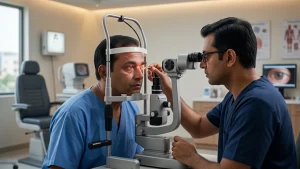
An ophthalmologist may also get involved which in turn will do visual acuity tests, color vision testing, pupil reactivity, visual field analysis, and study of the optic nerve. Also they may recommend OCT, MRI, blood work, or a neurological consult to confirm eye nerve inflammation in the eye, to see the risk of optic nerve damage, and to rule out other causes.
Treatment for Retrobulbar Neuritis
Treatment is based on the cause and the degree of severity. In mild cases improvement may be slow to present but in the case of sudden or severe retrobulbar neuritis symptoms immediate evaluation is a must. We may use corticosteroids in some cases to reduce inflammation and in turn speed visual recovery
We aim at not only to improve present retrobulbar neuritis symptoms but also at preventing future attacks. Also, we tell our patients to stay away from self medication in particular from use of steroids without medical supervision.
Recovery and Long-Term Outlook
Many patients see improvement in their vision within weeks to a few months’ time which we see especially true in those that come in early for treatment. But some may still notice some loss in color intensity, trouble with contrast, or occasional visual issues once the acute phase passes.
Should retrobulbar neuritis symptoms come back, get worse, or affect the other eye, see your health care provider right away. Repeated eye nerve inflammation can increase the risk of permanent changes, so regular follow-up is important even after vision improves.
Eye Care at ASG Eye Care
At ASG Eye Care we see patients with acute vision loss, eye pain, or what may be retrobulbar neuritis symptoms and we have at our disposal advanced diagnostic tools for that. We aim to determine the cause, to assess the health of the optic nerve, and to start appropriate treatment right away. If retrobulbar neuritis symptoms are linked with neurological or systemic disease, patients may be guided for coordinated care with the right specialist.
Key Takeaway
Retrobulbar neuritis symptoms should not be put down to eye strain at the first sign of it, in particular when vision changes suddenly or pain increases with eye movement. This condition is within the back of the eye and what it does is affect the nerve which takes visual info to the brain. With early diagnosis, proper treatment and regular follow up many patients do very well. The main thing is to seek out eye care attention at the first appearance of retrobulbar neuritis symptoms which in turn may prevent the problem from resolving on its own.
Frequently Asked Questions
1 What are the early signs of retrobulbar neuritis?
Early retrobulbar neuritis symptoms often include sudden blurred vision, pain which occurs during eye movement, reduced color intensity, and dim vision in one eye. Also some patients may feel pressure behind the eye.
2 Can retrobulbar neuritis cause permanent vision loss?
In some cases it can, which is why it is important to get in to see a health care provider early. Also early care plays a role in reducing the risk of long term optic nerve damage and improving the chance of visual recovery.
3 Why does the eye look normal in retrobulbar neuritis?
The eye may appear normal as the inflammation is behind the globe. This is why retrobulbar neuritis symptoms may present seriously without the presence of redness or visible swelling.
4 Is retrobulbar neuritis the same as optic neuritis?
In fact retrobulbar neuritis is a type of optic neuritis which instead of the inflammation’s location at the front of the eye has it situated behind the eye. Also both conditions can report similar retrobulbar neuritis symptoms like pain, blurred vision, and color vision changes.
5 When should I see an eye doctor?
You should see an eye doctor right away if you experience sudden vision loss, pain during eye movement, colors that appear washed out, or development of new retrobulbar neuritis symptoms in either eye.