
Systemic Diseases & Their Impact on Eye Health
Systemic diseases like diabetes and hypertension can damage eye health. Early screening and expert care are vital to protect and preserve vision.
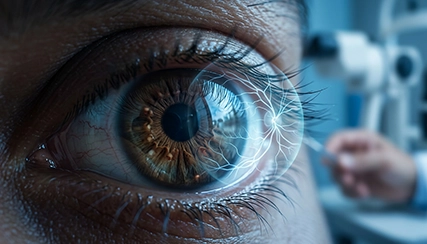
Diabetic Eye Disease
Diabetic eye disease is a group of eye conditions caused by long-term diabetes that affects the blood vessels, retina, and overall structure of the eye.
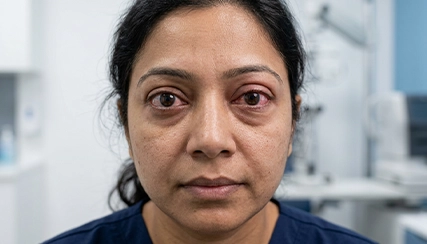
Thyroid Eye Disease
Thyroid Eye Disease (TED), also known as Graves’ orbitopathy, is an autoimmune condition that affects the muscles, fat, and tissues around the eyes.
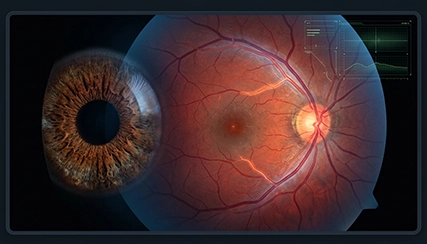
Hypertensive Eye Disease
Hypertensive eye disease refers to eye complications caused by long-term high blood pressure (hypertension).
Not sure which
treatment is right for you?
Book an appointment and let our specialists guide you.

Vision for All.
Not Just for Some
ASG is growing its network with 200 Vision Centres, delivering affordable eye care to over 4 million people.
Or

Systemic Disease Related Eye Problems – Symptoms, Causes & Treatment at ASG Eye Hospital
Systemic diseases are health conditions that affect the entire body, and many of them can significantly impact eye health. The eyes are closely connected to blood vessels, nerves, and immune systems, which makes them highly sensitive to changes caused by systemic illnesses. Conditions such as diabetes, hypertension, thyroid disorders, autoimmune diseases, infections, and neurological disorders can all lead to vision problems or serious eye complications. In many cases, eye symptoms may be the first sign of an underlying systemic disease. Early diagnosis and coordinated care between eye specialists and physicians are essential to prevent vision loss and manage overall health. At ASG Eye Hospital, experienced ophthalmologists provide advanced diagnosis and treatment for eye conditions caused by systemic diseases using modern retinal imaging, neuro-ophthalmic evaluation, and comprehensive eye care.
What are Systemic Disease Related Eye Problems?
Systemic disease-related eye problems refer to ocular (eye) conditions that develop due to diseases affecting other organs of the body. These conditions may involve the retina, optic nerve, cornea, uvea, or ocular surface and can lead to temporary or permanent vision impairment if not treated early.
The eye often acts as a “window” to systemic health, allowing doctors to detect diseases like diabetes or hypertension during routine eye examinations.
Common Systemic Diseases That Affect the Eyes
Diabetes Mellitus
Diabetes can damage small blood vessels in the retina, leading to diabetic retinopathy and macular edema, which may cause blurred vision and vision loss.
Hypertension (High Blood Pressure)
High blood pressure can damage retinal blood vessels, leading to hypertensive retinopathy and optic nerve problems.
Thyroid Disorders
Thyroid disease, especially Graves’ disease, can cause thyroid eye disease leading to bulging eyes, dryness, and double vision.
Autoimmune and Inflammatory Diseases
Conditions like rheumatoid arthritis, lupus, and sarcoidosis can cause uveitis, scleritis, and chronic eye inflammation.
Neurological Diseases
Multiple sclerosis and brain-related disorders can cause optic neuritis, double vision, and abnormal eye movements.
Infectious Diseases
Systemic infections such as tuberculosis, syphilis, and HIV can lead to severe eye inflammation and retinal damage.
Symptoms of Systemic Disease Eye Involvement
- Blurred or fluctuating vision
- Eye redness and pain
- Sudden vision loss
- Double vision
- Floaters or flashes of light
- Dryness or irritation
- Bulging of the eyes
- Headache with visual disturbances
- Reduced night vision
Diagnosis of Systemic Eye Diseases
At ASG Eye Hospital, specialists perform detailed evaluations including:
- Comprehensive eye examination
- Retinal imaging (Fundus photography)
- OCT (Optical Coherence Tomography)
- Fluorescein angiography
- Visual field testing
- Ocular ultrasound
- Neuro-ophthalmic evaluation
- Blood tests and systemic screening
Treatment Options
Treatment depends on both eye condition and systemic disease control:
Systemic Control
- Blood sugar control in diabetes
- Blood pressure management
- Thyroid regulation
- Immunosuppressive therapy for autoimmune diseases
Eye Treatment
- Anti-inflammatory eye drops or steroids
- Anti-VEGF injections
- Laser treatment
- Vitreo-retinal surgery (if required)
- Neuro-ophthalmic management
Complications of Untreated Disease
If not treated early, systemic diseases can lead to:
- Permanent vision loss
- Retinal damage
- Glaucoma
- Cataract formation
- Optic nerve damage
- Blindness
Prevention & Regular Eye Care
- Regular eye check-ups for diabetic and hypertensive patients
- Early screening for autoimmune conditions
- Proper control of blood sugar and blood pressure
- Immediate reporting of vision changes
- Protective eye care habits
When Should You See an Eye Specialist?
Seek urgent care if you experience:
- Sudden vision changes
- Persistent redness or pain
- Double vision
- Flashes or floaters
- Sudden vision loss
- Severe headache with visual symptoms
When Should You Consult an Eye Specialist?
Seek immediate medical attention if you notice:
- Sudden vision changes
- Eye bulging
- White pupil reflex in children
- Persistent eye pain
- Floaters or flashes
- Visible eye growth
- Double vision
- Unexplained redness or swelling
Regular eye check-ups help detect tumors before symptoms become severe.
Clear Answers for Better Vision
Can systemic diseases really affect the eyes?
Yes. Diseases like diabetes, hypertension, thyroid disorders, and autoimmune conditions can directly damage eye structures.
What is the most common systemic disease affecting vision?
Diabetes is the most common and can lead to diabetic retinopathy and vision loss if uncontrolled.
Can eye symptoms be the first sign of systemic disease?
Yes, sometimes retinal changes or vision issues appear before the systemic disease is diagnosed.
Are vision problems from systemic diseases reversible?
Early-stage problems can often be treated or controlled, but advanced damage may be permanent.
What eye symptoms should not be ignored?
Sudden vision loss, flashes, floaters, double vision, pain, or persistent redness should never be ignored.
Do diabetic or BP patients need regular eye check-ups?
Yes, regular eye exams are essential to detect early retinal damage.
Which doctors treat these eye problems?
Retina specialists, neuro-ophthalmologists, and general ophthalmologists manage these conditions, often in coordination with physicians.