
Diabetic Retinopathy Treatment in Noida – Trusted Specialists at ASG Eye Hospital

20
Years

200+
Hospitals

700+
Doctors

3.7M+
Patient Consultations FY2026
Specialized Diabetic Retinopathy Care and Retina Screening in Noida
Diabetes can impact several organs throughout the body, including the eyes. One of the most common diabetes-related eye conditions is diabetic retinopathy, a retinal disorder that may develop gradually and affect vision if left undetected. At ASG Eye Hospital Noida, we provide comprehensive diabetic retinopathy treatment, advanced retinal diagnostics, and personalized care plans designed to support long-term visual health.
Using modern imaging technologies and detailed retinal evaluations, our specialists assess the condition of the retina and identify diabetic eye changes at various stages. Patients from Sector 18, Sector 62, Sector 137, Greater Noida, Noida Extension, Indirapuram, Vaishali, and nearby regions choose ASG Eye Hospital for trusted retina care and diabetic eye management.
Diabetic Retinopathy Treatment in Noida
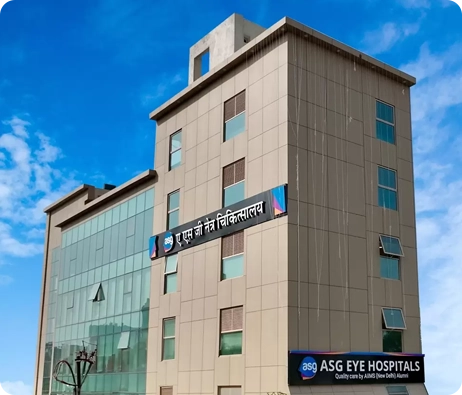

V-21A, Indra Market Road, Near Vinayak Hospital, Sector-27, Noida, Gautam Buddha Nagar, UP-201301
Our Doctors (Diabetic Retinopathy Treatment in Noida )





The Connection Between Diabetes and Vision Health
Many individuals are surprised to learn that diabetes can affect vision even when there are no noticeable symptoms. Over time, elevated blood sugar levels may damage the tiny blood vessels that nourish the retina, potentially leading to changes in visual quality.
Because retinal damage often develops silently, regular diabetic eye examinations are considered an important part of overall diabetes management.
Routine retina evaluations can help:
- Detect retinal changes before symptoms appear
- Monitor disease progression over time
- Assess retinal blood vessel health
- Identify complications affecting central vision
- Support timely treatment planning
Who Should Consider a Diabetic Retina Examinatio n?
Regular retinal screenings are recommended for:
- Individuals with Type 1 diabetes
- Individuals with Type 2 diabetes
- Patients recently diagnosed with diabetes
- People with long-standing diabetes
- Diabetic patients with hypertension
- Individuals experiencing vision fluctuations
Even if eyesight appears normal, retinal changes may still be present.
Signs That May Require a Retina Consultation
Although diabetic retinopathy may not cause symptoms initially, certain visual changes should not be ignored.
These may include:
- Blurred vision during daily activities
- Difficulty reading text on screens or documents
- Dark spots floating across vision
- Patchy or distorted visual fields
- Reduced clarity while driving
- Problems adjusting between light and dark environments
- Sudden vision fluctuations
Prompt evaluation helps specialists determine whether these symptoms are related to diabetic retinal changes or another eye condition.
Why Patients Choose ASG Eye Hospital for Diabetic Retinopathy Treatment in Noida
Advanced Diagnostic Capabilities
Our retina specialists use modern diagnostic equipment to evaluate retinal health with accuracy and precision.
Diagnostic assessments may include:
- Retinal imaging
- Detailed fundus examination
- Macular evaluation
- Visual acuity assessment
- Ocular health screening
Personalized Retina Management
Every diabetic patient’s retinal condition is unique. Our specialists develop individualized care strategies based on retinal findings, diabetes history, visual requirements, and overall eye health.
Experienced Retina Specialists
Our team offers expertise in the diagnosis, monitoring, and management of diabetic retinal disorders using evidence-based clinical practices.
Our Diabetic Retinopathy Care Approach
Comprehensive Retinal Evaluation
A detailed retinal assessment helps identify diabetic changes affecting retinal blood vessels and surrounding structures.
High-Resolution Retinal Imaging
Advanced imaging technologies provide detailed visualization of retinal health and assist in monitoring disease progression.
Macular Assessment
Since diabetic changes can affect central vision, evaluating the macula is an important part of comprehensive retinal care.
Diabetic Eye Screening
Regular screenings help detect retinal abnormalities before they significantly affect vision.
Treatment Planning and Monitoring
Specialists evaluate each patient’s retinal condition and recommend appropriate management strategies, while ongoing monitoring helps track outcomes over time.
Supporting Eye Health Through Early Detection
One of the most effective ways to reduce the risk of diabetes-related vision complications is through regular retinal examinations.
Early detection provides valuable opportunities to:
- Identify retinal changes promptly
- Monitor progression accurately
- Preserve visual function
- Maintain independence in daily activities
- Support long-term eye health goals
Routine eye care remains important even for diabetic patients who are not experiencing symptoms.
Retina Services Available at ASG Eye Hospital Noida
Patients can access a wide range of retina-focused services, including:
- Diabetic retinopathy consultations
- Comprehensive retinal examinations
- Advanced retinal imaging
- Diabetic eye screening programs
- Macular health evaluations
- Retina specialist consultations
- Long-term retinal monitoring
- Preventive diabetic eye care services
What Our Patients Says
Dattaram Gaonkar
Recently I have been operated for my Right Eye Surgery which was Performed by well known & expert Dr. Sean S Da Silva & the surgery was done successfully by the doctor. Overall the staff & Doctors are very concerned and helpful. It was a great experience.
Purvi Mehrotra
Recently I have been operated for my Right Eye Surgery which was Performed by well known & expert Dr. Sean S Da Silva & the surgery was done successfully by the doctor. Overall the staff & Doctors are very concerned and helpful. It was a great experience.
Dattaram Gaonkar
Recently I have been operated for my Right Eye Surgery which was Performed by well known & expert Dr. Sean S Da Silva & the surgery was done successfully by the doctor. Overall the staff & Doctors are very concerned and helpful. It was a great experience.
Purvi Mehrotra
Recently I have been operated for my Right Eye Surgery which was Performed by well known & expert Dr. Sean S Da Silva & the surgery was done successfully by the doctor. Overall the staff & Doctors are very concerned and helpful. It was a great experience.
Make an Appointment at Noida
Please wait...
Get A Call Back

Clear Answers for Better Vision
Is diabetic retinopathy a common complication of diabetes?
Yes. Diabetic retinopathy is one of the most common diabetes-related eye conditions and can affect individuals with both Type 1 and Type 2 diabetes.
Why are annual diabetic eye examinations important?
Regular examinations help detect retinal changes early, often before symptoms develop.
Can diabetic retinopathy affect only one eye?
Diabetic retinopathy can affect both eyes, although the severity may vary between them.
How long does a diabetic retina examination take?
The duration depends on the type of evaluation required, but comprehensive retinal assessments are typically completed during a scheduled consultation visit.
Can retinal changes occur even if blood sugar levels are controlled?
Good diabetes management supports eye health, but regular retinal examinations remain important because retinal changes can still occur.
What is the cost of diabetic retinopathy treatment in Noida?
The cost depends on the diagnostic evaluations, monitoring requirements, and treatment plan recommended by the retina specialist after examination.