When patients report that they need a corneal transplant one of the first things they ask is if the whole cornea will had to be transplanted. In many cases the answer is no. We have seen great progress in modern corneal procedures which are now able to replace only the affected layers of the cornea and to preserve healthy tissue when we are able to do so. Also we see in the case of DALK surgery which is a very specific type of corneal transplant we have a procedure that is designed for patients that have a healthy inner corneal layer which may have damaged outer layers.
For people that have conditions like keratoconus, corneal scarring, or certain corneal dystrophies DALK may be a very effective treatment which in turn will restore vision and also reduce some of the risks of a full thickness transplant. It is also important for patients to understand how DALK works, who may be good candidates for it and what the recovery process looks like in order to make informed decisions about there eye health.
What Is DALK Surgery?
DALK surgery stands for Deep Anterior Lamellar Keratoplasty. It is a partial thickness cornea transplant in which damaged front layers of the cornea are removed and replaced with healthy donor tissue while at the same time leaving the patient’s own Descemet’s membrane and endothelium intact. As opposed to a full thickness cornea transplant, DALK surgery is performed on only the affected layers of the cornea. What also makes this procedure different is the innermost layer that is not included in the surgery thus decreasing the chance of endothelial rejection.
That said, DALK surgery is a great choice for patients that only have issues with the front areas of the cornea. What many people are unaware of is that in DALK eye surgery it is also possible to preserve healthy tissue as opposed to a whole cornea transplant. That tissue conservation aspect has been a large factor in the rise of DALK eye surgery’s popularity among corneal experts all over the world.
Why Is DALK Surgery Performed?
A cornea specialist will put forth DALK as an option when the internal endothelial layer of the cornea is still healthy but the external layers have been damaged or made irregular. Most common for DALK is keratoconus which is a disorder in which the cornea slowly thins and takes on a conical form. In advanced keratoconus there is large scale visual distortion which does not improve with the use of glasses or contact lenses. Also which may require DALK are cases of corneal scarring from infection or injury, stromal corneal dystrophies, and some types of corneal degeneration. As DALK preserves the patient’s healthy endothelial cells it is the treatment of choice when it is a suitable option.
How Does DALK Surgery Work?
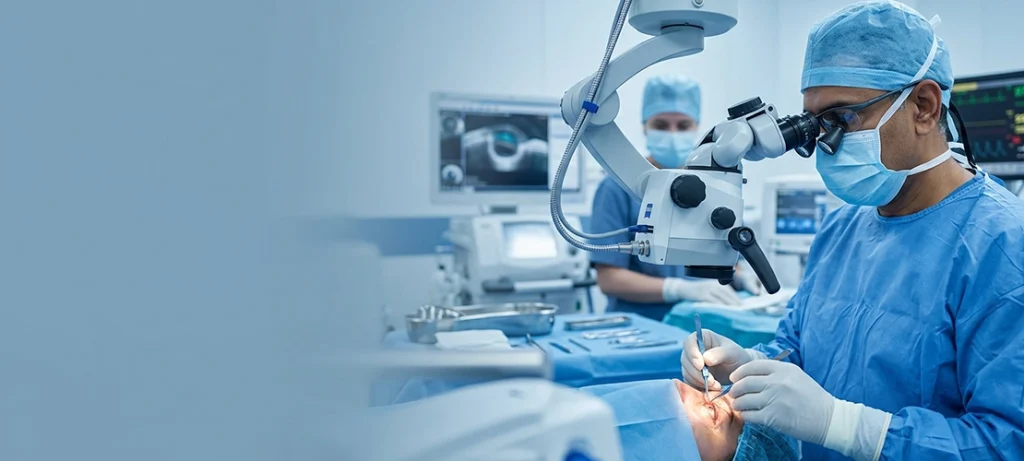
In DALK surgery what we see is the surgeon removing affected anterior corneal layers which at the same time leaves the internal healthy layers intact. Donor cornea tissue is then put in and held in place with fine sutures. It is a very precise procedure which is usually done by a specialist in the field of cornea. What we see for success in DALK is that the damaged layers are separated out without affecting the healthy endothelial layer beneath. Also we see that modern surgical methods have greatly improved results for DALK eye surgery which in turn produces great visual results at the same time preserving the eye’s structure.
Conditions Commonly Treated With DALK Surgery
| Condition | Can DALK Surgery Help? |
| Keratoconus | Yes |
| Corneal Scar | Yes |
| Stromal Corneal Dystrophy | Yes |
| Corneal Degeneration | Yes |
| Endothelial Disorders | Usually No |
| Fuchs’ Dystrophy | Usually No |
For many patients with these conditions, DALK surgery offers an opportunity to improve vision without undergoing a full-thickness cornea transplant.
Advantages of DALK Surgery Over Traditional Cornea Transplant
In the case of DALK surgery it’s a large plus that it preserves the patient’s own endothelial cells. We see that endothelial rejection is the greatest issue in traditional cornea transplant which in turn leads to the most serious complications so by keeping this layer we see to improve long term graft survival. Also a benefit of DALK eye surgery is that the risk of intraocular complications is reduced as the eye is left closed for the most part during the procedure. Also many patients prefer DALK surgery which leaves greater eye strength as opposed to a full thickness transplant. The lower risk of rejection has made DALK surgery the treatment of choice for eligible patients with corneal disease.
What Happens Before DALK Surgery?
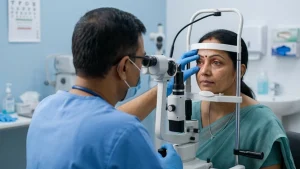
Before you undergo DALK surgery you will have a in depth eye exam by your cornea specialist. This may include corneal topography, pachymetry, slit lamp exam, and visual acuity test. The goal of this eval is to determine if DALK is right for you and that the endothelial layer is in good health to preserve. Patients are often surprised by what in depth info these tests provide on corneal structure and function.
What to Expect During DALK Eye Surgery
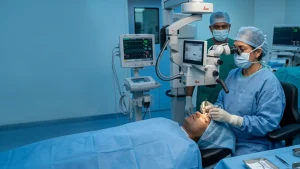
In the majority of cases of DALK eye surgery local anesthetic along with light sedation is used. The surgery which usually runs between 1 and 2 hours takes into account the degree of complexity of each case. During DALK eye surgery the surgeon removes the affected corneal layers which are then replaced by a donor match. The graft is held in place with fine sutures which is a process that plays out over the course of the following months. Although the procedure is a complex one from a technical point of view most patients report very little pain during the actual surgery.
Recovery After DALK Surgery
Recovery after DALK surgery is a gradual process. Vision improves over a period of several weeks and months as the cornea heals and stabilizes. Patients going through DALK surgery are usually given antibiotic and anti inflammatory eye drops to support the healing process and to also prevent infection. Follow up visits are very important in the monitoring of the health of the graft and visual recovery. The course of recovery post DALK surgery is variable among individuals. Some patients see great improvement in vision within weeks, while for some it is a several month process.
DALK Surgery Recovery Timeline
| Recovery Stage | What Patients Typically Experience |
| First Week | Mild discomfort, light sensitivity, blurred vision |
| First Month | Gradual reduction in swelling |
| 2–3 Months | Improved visual clarity |
| 3–6 Months | Continued stabilization |
| 6–12 Months | Long-term visual improvement |
Because every eye heals differently, your cornea specialist will guide you through each stage of recovery after DALK surgery.
Risks and Complications of DALK Surgery
Like in any surgical field, DALK surgery has its risks which include infection, graft failure, irregular astigmatism, delayed healing, or conversion to a full thickness cornea transplant if the technical issues present themselves during the procedure. But what we see is that the issue of endothelial rejection is put forward as a much smaller issue after DALK as compared to what is seen in traditional corneal transplantation. This is one of the reasons many specialists prefer DALK eye surgery when they have the option.
Success Rate of DALK Surgery
Studies report that in appropriate cases DALK surgery does very well in terms of visual results. Many people see great improvement in visual acuity and quality of life after the procedure. What we are also seeing is very good graft survival in the long term which in many cases we attribute to patients’ care in following post op instructions and in attending regular follow up with our cornea specialists. As one of the more recent advanced options for treatment of issues related to the front of the eye, DALK eye surgery is also growing in its recognition for how safe and effective it is.
When Should You Consult a Cornea Specialist?
Persistent blurred vision, progressive keratoconus, corneal scarring, or trouble attaining good vision with glasses or contact lenses is a reason to seek out specialist care. A qualified cornea specialist will be able to determine what type of DALK surgery, another form of cornea transplant, or other eye treatment is best for you. Early evaluation tends to produce better results and more treatment options.
Conclusion
For patients that have corneal conditions which affect the front layers of the cornea DALK surgery is an important step forward in modern eye care. What we do is preserve the healthy endothelial tissue and at the same time replace the damaged corneal layers which in turn gives us excellent visual results with a lower risk of rejection than what we see in traditional full thickness transplants.
If you have been told that you are a candidate for a cornea transplant we highly recommend that you discuss DALK eye surgery with a specialist in the field of corneas as they will be able to determine if this tissue preserving procedure is right for you. With the right evaluation, from a skilled surgeon, and a good follow up care DALK surgery may play a very large role in the restoration of your vision and in improving your quality of life.
Frequently Asked Questions
1 What is DALK surgery?
DALK surgery (Deep Anterior Lamellar Keratoplasty) is a type of partial thickness cornea transplant that we do for damage to front cornea layers which also includes the removal of the affected Descemet’s membrane and the anterior stroma, but leaves the healthy endothelial cell layer in place.
2 How is DALK eye surgery different from a cornea transplant?
In a full cornea transplant the entire cornea is replaced; instead with DALK eye surgery we only treat the damaged front layers of the cornea and preserve the healthy inner tissue.
3 Is DALK surgery painful?
Most of what patients experience is minimal discomfort during DALK which we attribute to the use of local anesthetic. May also notice mild irritation or sensitivity during recovery.
4 How long does recovery take after DALK surgery?
Recovery after DALK surgery varies, but visual improvement typically continues over several months, with long-term stabilization often occurring within 6–12 months.
5 Who is a good candidate for DALK eye surgery?
Those with keratoconus, corneal scarring, and stromal corneal diseases which do not affect the endothelial cells are good candidates for DALK eye surgery.