
Your eyes are in use the moment you awake until you go to sleep. They allow you to read, work, drive, recognize faces, use screens, and enjoy the world around you. Also most people only think of eye health by the time vision has become blurry, eyes are feeling tired, or the doctor brings up a problem. This is also the reason that learning how to care for your eyes is more than just a measure to avoid glasses; it is a way to protect what is perhaps the most important element of your daily life.
Many people put out what is the reason for eye care if they still have full use of their sight. The answer is simple. We see that in the beginning of some eye diseases like glaucoma, diabetic eye disease, dry eye, and early cataracts there may be no tell tale signs. Good practices do not in any way replace medical care but they do reduce strain, support the natural health of the eye and also get you to notice early changes.
This guide gives out 10 easy tips on how to take care of eyes which you can include in your daily routine. We have put together these practical eye care tips for students, office workers, parents, elderly people, and really anyone that wants to improve their vision over time.
Why Daily Eye Care Matters
In order to how to take care of eyes it is helpful to see what sort of stress modern life puts on them. Screen time, poor sleep, air pollution, diabetes, UV exposure, smoking, and not getting into the habit of regular check ups are all contributors to eye discomfort and poor vision. Also by the time vision problems do present themselves the issue may be in the form of a damaged eye surface, retina, affected optic nerve, or a problematic lens.
Many of our patients question the value of eye care we provide today which is in an age of advanced treatments. While we do have very good modern treatments for many eye conditions we still find that prevention and early detection is the best approach as opposed to waiting until vision is affected. Routine care is important as it allows us to identify issues at the earliest stage which in turn makes the treatment usually much simpler and results better.
At ASG Eye Care it is usually brought to the patient’s attention that eye care is a part of a daily routine a one time event is not enough. Everyday practices which are made a habit can in fact produce great results over the years.
Daily Habits and Their Eye Health Benefits
| Daily Habit | How It Helps Your Eyes |
| Regular eye checkups | Helps detect silent eye diseases early |
| Screen breaks | Reduces digital eye strain and dryness |
| UV protection | Helps protect the eyes from harmful sunlight exposure |
| Healthy diet | Supports the retina, lens, and tear film |
| Good diabetes control | Reduces the risk of diabetic eye complications |
| Proper sleep | Allows the eyes to rest and recover |
| Hand and contact lens hygiene | Reduces the risk of eye infections |
| Avoiding smoking | Lowers oxidative stress linked to eye disease |
| Protective eyewear | Prevents injury during work, sports, or household tasks |
| Early treatment of symptoms | Prevents minor issues from becoming serious |
1. Get Regular Eye Checkups
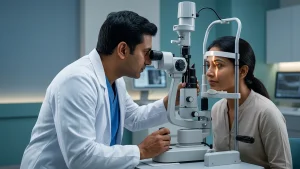
The initial step in taking care of your eyes is to have regular comprehensive eye exams. A basic vision test only determines if you need glasses, but a full eye exam also looks at the retina, optic nerve, eye pressure, cornea, and overall eye health. Also very important for people with diabetes, high blood pressure, a family history of glaucoma, frequent headaches, or over 40.
Patients question the value of getting eye checkups which they do not have symptoms of. The fact is some eye diseases present no pain or noticeable vision loss in the early stages. A visit to the ophthalmologist at the right time may detect these issues before they cause permanent damage.
If you are unsure how to take care of eyes as you age, start with a yearly or doctor-recommended eye checkup. Children, adults with screen-heavy jobs, and elderly patients may need different follow-up schedules based on their risk factors.
2. Follow the 20-20-20 Rule for Screen Use
Screens are in all aspects of our work, study, entertainment, and communication. We spend long time on phones, laptops and tablets which in turn reduces blinking and causes dryness, eye strain, headaches, and blurred vision. An easy tip for eye care is the 20-20-20 rule. Every 20 minutes break to look at something 20 feet away for at least 20 seconds.
This is a basic routine which is a component of eye care as it helps to relax the focus muscles and also reminds you to blink. It doesn’t cure an eye disease but does in fact reduce the discomfort from extended near work. For those that are asking about eye protection during computer use the solution is in prevention. Proper break routines, right lighting, and correct screen distance can reduce daily strain and improve comfort.
3. Eat Foods That Support Eye Health
A healthy diet is a key element in eye care. The eyes require nutrients like vitamin A, vitamin C, vitamin E, zinc, lutein, zeaxanthin, and omega 3 fatty acids. Include green leafy vegetables, carrots, citrus fruits, nuts, seeds, eggs, and fish which in turn support the retina and promote healthy vision.
Food is a factor in eye health but in and of itself will not correct refractive error or reverse serious eye disease, what it can do is support overall eye function. In the case of diabetics a proper diet is also a tool in blood sugar control which in turn plays a role in the prevention of diabetic eye complications. When patients ask what the connection is between food and eye health we should tell them that the health of the eye is a part of whole body health. A diet that is good for the heart and the blood vessels also tends to be good for the eyes.
4. Protect Your Eyes from UV Rays
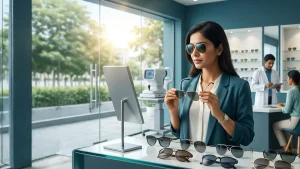
Sunlight also has UV rays which may lead to long term eye issues such as cataracts and some surface eye conditions. It is easy to reduce your exposure by wearing UV protective sunglasses and a broad brimmed hat.
This issue is often overlooked when we think of eye care. We see lots of people protecting their skin from sun damage but at the same time ignoring that which affects the eyes. While we reach for the sun screen and the hats, we also need to put on our sunglasses. These should filter out both UVA and UVB rays, also they are very useful during travel, while we drive, at the beach and if we do outdoor work. UV protection is a year round thing, it is a daily health habit. This is very much a case of – we should be paying more attention to our eyes before physical damage sets in.
5. Keep Diabetes and Blood Pressure Under Control
Diabetes and high blood pressure also affect the small blood vessels in the retina. As time goes on, chronic diabetes may result in diabetic retinopathy, retinal swelling, bleed out, and visual impairment at which point persons that are diabetic should take the health of the eyes very seriously also when it does not immediately present issues with their vision.
A very important aspect of eye care in diabetics is the management of systemic health issues. We see that which blood sugar, blood pressure, and cholesterol we keep in check also plays a role in reducing the risk of many eye complications. Also very important is the routine retinal screening which may not present with symptoms at first in diabetic eye disease. To the patient that asks why we pay so much attention to the health of our eyes in diabetes we say that early diagnosis and timely intervention is the key to protecting vision. Delay in getting an eye exam till vision becomes blurry only allows the disease to progress silently.
6. Maintain Proper Contact Lens Hygiene
Contact lenses are safe when used properly, but poor hygiene may cause issues such as redness, infections, corneal ulcers and pain. Wash your hands before handling lenses, use new solutions daily, avoid wearing overnight unless prescribers say so and also change your lenses out as your eye care professional recommends. Contact lens hygiene is a key part of lens wear health care plan especially for young adults and working professionals. Also never rinse out lenses in tap water, at the first experience of pain, redness, or sensitivity to light, remove your contact lens.
People ask what the big deal is with contact lens hygiene. The fact is that the cornea is a very delicate tissue which may quickly develop serious infection. At the first sign of trouble it is better to go to an eye specialist than to try to treat it yourself.
7. Sleep Well and Give Your Eyes Time to Recover
Good sleep is what the eyes need for rest, repair, and to maintain that healthy tear film. As for why in a busy world we should pay attention to our eye health, sleep is the easiest answer. Not getting enough sleep may cause dry out of the eyes, twitches, redness, heaviness, and also trouble with focus. If you are using screens well into the night your eyes will feel even more strained the next morning.
Sleep is a basic yet very important element of eye health. Regular sleep habits, reduced screen time before bed, and appropriate hydration will help the eyes recover from daily strain. In the care of your eyes don’t forget to pay attention to your sleep. Rest is what allows the body to heal which in turn reduces preventable eye fatigue.
8. Avoid Smoking and Limit Alcohol
Smoking causes oxidative stress in the body and is associated with a higher risk of many eye issues which include cataracts, age related macular degeneration and dry eye. Upon quitting smoking you benefit not only your lungs and heart but also your eyes. It is important to include avoidance of smoking as a part of a regimen for long term eye care. Also moderate alcohol use is recommended because heavy intake may impact general health, nutrition, and hydration. This also is a reason that daily health choices play a role in eye health. Eye health is a part of overall body health; what hurts the circulatory system and immune health also plays a role in vision.
9. Use Protective Eyewear When Needed
Eye injuries are a risk in the home while using cleaning products, in construction, while welding, gardening, in sports, also at work with chemical products. Protective glasses or safety goggles are easy ways to prevent such injuries. This is a very practical eye health tip because it takes only seconds for an injury to cause permanent damage to your vision. If you are in a dusty, chemical, or high risk environment you should make use of this simple prevention. Also, you may want to always have protective wear at hand.
If you want to know how to take care of eyes at work or during daily tasks, start by identifying situations where injury is possible. Prevention is always better than emergency eye treatments after damage has already occurred.
10. Do Not Ignore Eye Symptoms
Redness, pain, sudden blurred vision, flashes of light, floaters, double vision, severe headache with eye pain, or sudden loss of which you should not wait to see a doctor. These are signs of issues that require urgent medical care. A large part of eye care is recognizing when it is time to seek out professional help. While mild tiredness from screen use may be improved with rest, sudden or severe symptoms require a specialist’s evaluation. Early visit to the eye hospital is the best step in protecting your vision and in preventing complications.
Patients sometimes ask why symptoms that come and go should still be checked. The concern is that some serious eye problems may appear mild at first. Timely evaluation is the safest approach.
Eye Symptoms and When to Seek Help
| Symptom | Possible Concern | What You Should Do |
| Sudden vision loss | Retinal, optic nerve, or vascular emergency | Visit an eye hospital immediately |
| Eye pain with redness | Infection, inflammation, or pressure-related issue | Seek urgent eye evaluation |
| Flashes and floaters | Possible retinal tear or detachment | Get a retinal checkup quickly |
| Persistent dryness or burning | Dry eye or allergy | Consult an eye specialist if frequent |
| Blurred vision in diabetes | Diabetic eye disease or refractive change | Schedule a comprehensive eye exam |
| Halos around lights | Cataract, corneal issue, or glaucoma concern | Get medical evaluation |
| Injury or chemical exposure | Corneal or internal eye damage | Rinse if chemical exposure and seek emergency care |
How ASG Eye Care Supports Preventive Eye Health
At ASG Eye Care our focus is beyond treatment of eye disease we also work with patients to understand how to care for their eyes before health issues become severe. We take a preventive approach which includes regular check ups, patient education, screening for what may be asymptomatic diseases, and timely guidance for diabetics, those with cataracts, glaucoma, dry eye, and retinal conditions.
The proper eye care tips do go a long way in maintaining comfort, at the same time it is important for patients to get a medical evaluation when they have persistent symptoms or are at risk. As per the condition we present the best in class eye care solutions and very personal advice which we put forth to support long term vision. If you are still trying to figure out what is the practical way for how to take care of eyes we will tell you to put into practice healthy day to day routines along with a regular visit to a trusted eye hospital. This balanced approach is what gives your eyes the best chance of health for years.
Key Takeaways
Learning which aspects of eye care you should pay attention to isn’t hard but it does require that you do them regularly. Regular eye exams, screen breaks, a healthy diet, protection from the sun, management of diabetes, getting enough sleep, good hygiene, and paying attention to early symptoms all of these play a role in protecting your vision.
The issue of why we should explain how to take care of eyes has very real answers. Vision affects independence, learning, work, safety, and quality of life. Once vision is damaged it may not always fully recover, which is why prevention and timely treatment is key. As for simple eye care tips that really work, start with easy daily changes and do not delay professional care when you see symptoms. For any ongoing eye issue a visit to an experienced eye hospital will help you get the right diagnosis and eye treatment at the right time.
Also Read :
Best Vegetables for Eye Health: Improve Eyesight Naturally ,
10+ Eye Health Tips for Kids and Adults,
Best Foods for Eye Health: Top Nutrients That Help Protect Your Vision,
10 Best Juices for Eye Health,
Best Diet Plan for Healthy Eyes and Vision,
Top Eye-Healthy Foods Every Child Needs,
Best Vegetables for Eye Health,
Frequently Asked Questions
1 How do Take care of eyes daily?
The best daily eye care routine includes regular eye checkups, screen breaks, a healthy diet, UV protection, clean hands, good sleep, and early treatment of symptoms. Also it is so that we pay attention to our eyes’ health at it’s best rather than only when we start to feel discomfort. These practices support day to day comfort and long term eye health.
2 Why is it important to take care of our eyes from a young age?
This is an often asked question which many people have the idea that eye issues only appear at older age. In fact we see that children and young adults also develop vision problems, digital eye strain, allergies, infections, and uncorrected refractive errors. Early care plays a role in learning, safety, and health development.
3 Can daily habits really improve eye health?
Daily habits can support eye comfort and reduce risk factors, but they cannot replace medical treatment for eye disease. Learning healthy eye habits helps you protect your vision, but regular eye exams are still necessary to detect silent conditions.
4 Which foods are good for eye health?
Foods rich in vitamins, antioxidants, and omega-3 fatty acids are helpful for general eye health. Green leafy vegetables, carrots, fruits, nuts, seeds, eggs, and fish can support the retina and lens. Diet is one part of good eye care, especially when combined with regular checkups.